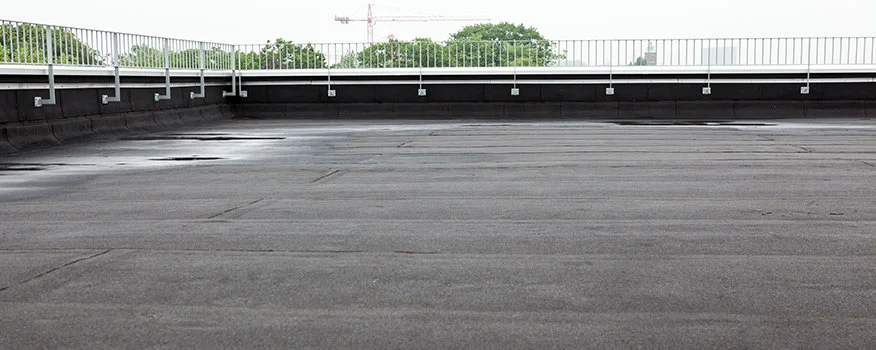
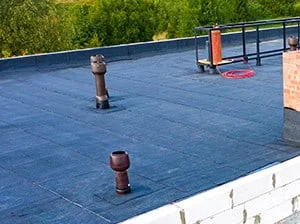
At Solid Rock, we specialize in commercial roofing options in Wichita that bring the most value to our customers. For over 25 years we have taken pride in keeping up with the latest in roofing technology while also sticking to proven performers such as a modified bitumen roof. Our roofing experts can recommend what roofing option is best for you based on the current condition of your roof, your budget and the architecture of your building.
Give us a call for more info On all of modified bitumen roof selections (316) 227-2628
We send an expert roofer to your site to perform a roof inspection before offering an accurate quote for every roofing project. Our roofing contractors have built a reputation for offering superior customer service, skilled workmanship and the highest quality roofing materials to ensure your satisfaction.
Modified Roofing System
Modified bitumen or “mod bit” roofing is an asphalt product offering many advantages over other types of membrane roofing materials. As a result, we often recommend it for flat roof replacements and restorations. It is especially effective as an alternative to built-up roofs. With proper installation, the modified bitumen roof can far outlast other asphalt products, especially when installed with a coating to protect against UV exposure.
The reinforced sheets require a less labor-intensive application that makes installation more cost-effective. This roofing material can be applied to low-slope or flat roofs providing long-lasting protection against the elements. It has a long life that can exceed 10 years when properly installed and maintained. Our team of roofers is experienced in mod bit roofing, ensuring you will get the longest possible use of your new or restored commercial roofing system.
Benefits of Modified Bitumen
There are several benefits to using a modified bitumen roof on your commercial building. We find it highly dependable with a proven track record. It is one of the earlier materials used for flat roofs. The fact that is still the roof of choice for many roofing companies is proof that it is durable. Although these roofs are recommended for about 10 years, they have proven time and again they can last 20 years or more. This translates into savings for your business for repairs and replacements.
The seams are sealed tight helping to prevent chronic leaks common to flat roofs. This makes it a dependable option that will avoid water damage and the need to call in roof repair experts on a regular basis. Compared to other membrane roofing products that have seams that are not sealed properly or even left slightly open, a modified bitumen roof is less at risk of weakening due to exposure to rain and sun.
With seamless installation, your modified bitumen roof is far more durable. It reduces the risk of leaks and associated damage thanks to its high-tensile strength. This also means modified bitumen roofs are not likely to develop cracks common to other flat roof materials.
As experienced bitumen roofers we will improve your roof’s quality and lifespan (316) 227-2628
Finally, modified bitumen roofs are rated against wind, fire, and hail. This means they are less vulnerable to the ravages of nature especially in the severe storms common in Kansas. Long manufacturer’s warranties help protect you from damages if the roof for some reason does not meet expectations for longevity.
We service commercial modified bitumen roofs in Wichita, Manhattan, Lawrence, Hays, Topeka, Salina, Hutchinson, Emporia, McPherson and all surrounding areas. Call us today at (316) 227-2628 to schedule a free estimate!
How does a modified roofing system differ from traditional roofing?
A **modified roofing system** uses bitumen with added polymers (SBS or APP) for better flexibility, durability, and weather resistance, often applied as a seamless membrane. **Traditional roofing** uses materials like shingles, tiles, or metal with overlapping seams. Modified systems are ideal for flat roofs, offering superior waterproofing, while traditional roofs are more common on sloped surfaces and require more maintenance due to seams or gaps.
Can a modified bitumen roof be used on a residential building?
Yes, a **modified bitumen roof** can be used on residential buildings, especially for **flat or low-slope roofs**. It provides excellent waterproofing, flexibility, and durability, making it a great option for homes with these roof types. It also offers enhanced resistance to UV rays and weathering, though it's less common on pitched roofs compared to traditional materials like shingles or tiles.
Is a modified bitumen roof resistant to hail damage?
Yes, a **modified bitumen roof** is resistant to **hail damage** due to its durable, flexible composition. The polymer modification (SBS or APP) helps the roofing material absorb impact without cracking or puncturing. However, extreme hail conditions may still cause some damage. Overall, modified bitumen roofs are more resilient to hail compared to traditional roofing materials like asphalt shingles.
What is a modified bitumen roof made of?
A **modified bitumen roof** is made of **asphalt** combined with **polymers** (typically **SBS** or **APP**) to improve flexibility, durability, and weather resistance. The base layer consists of a fiberglass or polyester mat, which is then coated with asphalt and modified with these polymers. The result is a **seamless, durable roofing system** that provides superior waterproofing and UV protection, commonly used for flat or low-slope roofs.
What is a modified roofing system used for in construction?
A **modified roofing system** is used in construction primarily for **flat or low-slope roofs**. It provides a **durable, waterproof** barrier that offers superior protection against **weathering, UV rays, and physical damage**. Modified bitumen roofing is ideal for commercial buildings, industrial properties, and some residential buildings with flat roofs, offering long-lasting performance, flexibility, and minimal maintenance. It can also be used for **roof repairs and retrofitting** existing structures.
How is a modified bitumen roof installed?
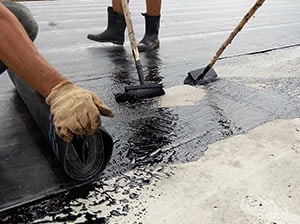
A **modified bitumen roof** is typically installed using one of three methods:1. **Torch-Down**: Heat is applied with a torch to melt the bitumen, allowing it to bond with the underlying surface.
2. **Self-Adhesive**: The roofing material has an adhesive backing that bonds to the roof surface when pressed.
3. **Cold-Applied**: A cold adhesive is used to bond the modified bitumen to the roof.Each method creates a seamless, waterproof membrane for long-lasting protection.
What is the best way to maintain a modified bitumen roof?
To maintain a **modified bitumen roof**, follow these steps:1. **Regular Inspections**: Check for cracks, punctures, or blisters at least twice a year.
2. **Clean the Surface**: Remove debris, leaves, and dirt to prevent water buildup.
3. **Check Seams and Edges**: Ensure seams are intact and re-seal any loose areas.
4. **Repair Promptly**: Address minor damage immediately to prevent leaks.
5. **Keep Drains Clear**: Ensure gutters and drains are free from blockages to avoid water pooling.
What are the benefits of using a modified roofing system?
The benefits of using a **modified roofing system** include:1. **Durability**: Resistant to harsh weather, UV rays, and physical damage.
2. **Waterproofing**: Provides superior protection against leaks.
3. **Flexibility**: Expands and contracts with temperature changes without cracking.
4. **Low Maintenance**: Requires minimal upkeep compared to other roofing types.
5. **Energy Efficiency**: Reflective options can reduce cooling costs by reflecting sunlight.
6. **Long Lifespan**: Can last 20-30 years with proper care.
What are the maintenance requirements for a modified roofing system?
Maintenance for a **modified roofing system** includes:1. **Regular Inspections**: Check for damage, wear, or debris at least twice a year.
2. **Clean the Roof**: Remove debris, leaves, and dirt to prevent blockages and water buildup.
3. **Check Seams and Edges**: Ensure seams are intact and repair any issues immediately.
4. **Clear Drains**: Keep gutters and drains free from obstructions to prevent water pooling.
5. **Prompt Repairs**: Address minor damage or wear quickly to avoid larger issues.
Can a modified bitumen roof be repaired?
Yes, a **modified bitumen roof** can be repaired. Small issues like cracks, punctures, or damaged seams can be fixed using roofing patches, adhesives, or specialized bitumen coatings. For more extensive damage, the affected sections can be cut out and replaced with new material. It's important to address repairs promptly to prevent further damage and ensure the roof maintains its waterproofing and durability.
What are the benefits of a modified bitumen roof?
The benefits of a **modified bitumen roof** include:1. **Durability**: It’s resistant to harsh weather, UV rays, and physical damage.
2. **Waterproofing**: Provides excellent protection against leaks.
3. **Flexibility**: Expands and contracts with temperature changes without cracking.
4. **Low Maintenance**: Requires minimal upkeep compared to other roofing options.
5. **Energy Efficiency**: Reflective coatings can help reduce cooling costs.
6. **Long Lifespan**: Can last 20-30 years with proper care.
Can a modified roofing system be used on flat roofs?
Yes, a **modified roofing system** is ideal for **flat roofs** or low-slope roofs. It provides excellent **waterproofing**, **durability**, and **flexibility**, making it well-suited for flat surfaces where water drainage may be slower. The system can help prevent leaks, withstand weathering, and provide long-lasting protection with proper maintenance, making it a popular choice for commercial and residential flat roof applications.
How does a modified bitumen roof compare to other roofing materials?
A **modified bitumen roof** compares favorably to other roofing materials in several ways:1. **Durability**: More resistant to UV rays, weather, and physical damage than asphalt shingles.
2. **Waterproofing**: Superior to many other materials in preventing leaks.
3. **Flexibility**: Expands and contracts without cracking, unlike some other options.
4. **Maintenance**: Requires less upkeep compared to materials like wood or asphalt shingles.
5. **Lifespan**: Typically lasts 20-30 years, similar to or longer than many other roofing types.
How does weather affect a modified bitumen roof?
Weather can affect a **modified bitumen roof** in the following ways:1. **Extreme Heat**: High temperatures can cause the roof to expand, but its flexibility helps prevent cracking.
2. **Cold Weather**: Cold temperatures can make the material more rigid, but the modified bitumen remains durable.
3. **Rain and Snow**: Resistant to water, but improper drainage can cause pooling, leading to leaks.
4. **UV Exposure**: Over time, prolonged sun exposure can degrade the surface, though reflective coatings can help minimize this effect.
Is a modified bitumen roof waterproof?
Yes, a **modified bitumen roof** is **waterproof**. It provides excellent protection against leaks due to its multi-layered construction, which includes a bitumen-based membrane that is highly resistant to water penetration. The material is designed to create a strong, durable barrier that prevents moisture from seeping into the structure, making it a reliable option for flat and low-slope roofs.
Can a modified roofing system be used on old buildings?
Yes, a **modified roofing system** can be used on old buildings. It is a versatile option that can be applied over existing roofing materials after proper preparation. The system provides excellent waterproofing, durability, and flexibility, making it ideal for retrofitting old roofs, particularly on flat or low-slope surfaces. However, a thorough inspection is necessary to ensure the underlying structure is sound and able to support the new roofing system.
What are the installation requirements for a modified roofing system?
Installing a **modified roofing system** requires the following steps:1. **Surface Preparation**: Ensure the roof is clean, dry, and free of debris or damage.
2. **Primer Application**: Apply a primer to improve adhesion between the existing surface and the new system.
3. **Layer Installation**: Install modified bitumen sheets, typically in multiple layers, using either torch-down, adhesive, or cold application methods.
4. **Seam Sealing**: Ensure all seams are properly sealed to prevent leaks.
5. **Finishing**: Apply a protective coating if needed for UV protection or to improve durability.Proper installation ensures long-lasting performance and protection.
Can a modified bitumen roof be installed over an existing roof?
Yes, a **modified bitumen roof** can be installed over an existing roof, provided the current roof is in good condition. It’s important to ensure the surface is clean, dry, and free of any debris or damage. Installing over an existing roof can save time and cost compared to a full replacement, but it’s crucial to inspect the underlying structure to ensure it can handle the additional layers without compromising performance.
How does a modified roofing system improve energy efficiency?
A **modified roofing system** improves energy efficiency by offering excellent **insulation** and **reflectivity**. Some systems have reflective surfaces that reduce heat absorption, helping to lower cooling costs in warm climates. The added insulation can also help maintain consistent indoor temperatures, reducing the need for heating and cooling. Overall, it contributes to better energy conservation and lower utility bills.
Is a modified bitumen roof expensive?
A **modified bitumen roof** is generally considered **moderately priced** compared to other roofing materials. While the initial cost can be higher than traditional options like asphalt shingles, it offers long-term durability and low maintenance, making it a cost-effective choice over time. Factors such as roof size, installation complexity, and location can influence the overall cost. However, its longevity and energy efficiency may provide savings in the long run.
What are the environmental benefits of a modified roofing system?
A **modified roofing system** offers several **environmental benefits**:1. **Reflectivity**: Some systems are designed with reflective coatings that reduce heat absorption, minimizing the urban heat island effect.
2. **Energy Efficiency**: Improved insulation reduces energy consumption for heating and cooling.
3. **Durability**: Its long lifespan reduces the need for frequent replacements, decreasing waste.
4. **Recyclability**: Modified bitumen membranes can often be recycled, contributing to a reduction in landfill waste.
What materials are used in a modified roofing system?
A **modified roofing system** typically uses the following materials:1. **Bitumen**: The base material, often combined with modifiers like SBS (styrene-butadiene-styrene) or APP (atactic polypropylene) for improved flexibility and durability.
2. **Reinforcing Fabrics**: Polyester or fiberglass mats are embedded in the bitumen to enhance strength and resistance to cracking.
3. **Protective Coatings**: Some systems include reflective or UV-resistant coatings to protect the roof from weather and improve energy efficiency.
4. **Adhesives or Torch-Down Materials**: Used to secure the layers together during installation.
How long does a modified roofing system typically last?
A **modified roofing system** typically lasts between **20 to 30 years**, depending on the quality of installation, maintenance, and environmental factors. With proper care and periodic inspections, its durability can be extended. The longevity is also influenced by the type of modified bitumen used (SBS or APP) and whether it has a reflective coating to protect it from UV damage.
Is a modified bitumen roof suitable for flat roofs?
Yes, a **modified bitumen roof** is ideal for **flat roofs**. It provides excellent waterproofing, durability, and flexibility, which are crucial for flat roof applications. Modified bitumen systems are designed to resist pooling water, a common issue with flat roofs, and they offer long-lasting protection against the elements. The system's ability to expand and contract with temperature fluctuations further enhances its suitability for flat roof installations.
What are the different types of modified bitumen roofs?
There are two main types of **modified bitumen roofs**:1. **SBS (Styrene-Butadiene-Styrene) Modified Bitumen**: Offers superior flexibility, making it ideal for areas with extreme temperature changes. It is also more resistant to UV damage and aging.
2. **APP (Atactic Polypropylene) Modified Bitumen**: Known for its durability and resistance to UV rays, APP is more rigid and can withstand higher temperatures, making it suitable for warmer climates.Both types provide enhanced performance over traditional asphalt roofing.
How does a modified roofing system handle heavy rainfall?
A **modified roofing system** handles heavy rainfall effectively due to its **waterproofing properties**. The bitumen layers, reinforced with fabrics like fiberglass or polyester, create a seamless barrier that prevents water infiltration. Additionally, its durability and flexibility help the roof withstand pooling water, which is common in flat roof applications. Proper installation with attention to drainage systems, such as scuppers and gutters, further ensures the roof performs well during heavy rainfall.
Is a modified roofing system more expensive than traditional roofing?
Yes, a **modified roofing system** is generally more expensive than traditional roofing options, like asphalt shingles or tar-and-gravel roofs. This is due to the higher material costs, specialized installation methods, and the longer lifespan of modified bitumen systems. However, the increased initial investment is often offset by the durability, lower maintenance costs, and extended lifespan (20-30 years), making it a cost-effective choice in the long run.
How long does a modified bitumen roof last?
A **modified bitumen roof** typically lasts **20 to 30 years** with proper installation and maintenance. The roof's longevity depends on factors like the quality of materials, environmental conditions, and the frequency of maintenance. Regular inspections and repairs can help extend its lifespan by addressing issues like leaks or damage before they become more significant problems.
The installation process of modified bitumen roofing is crucial to ensure its effectiveness and longevity. Typically, this involves preparing the existing roof surface, applying a primer, and then installing the modified bitumen sheets using methods such as torch-down or cold adhesive application. Each layer is carefully adhered to create a seamless, waterproof membrane that protects against the elements.
It's essential to follow manufacturer guidelines during installation, as improper techniques can lead to vulnerabilities like leaks or premature wear. For optimal performance, professional installation by experienced roofers is recommended, ensuring that all aspects, including drainage systems and edge details, are meticulously executed to enhance the roof's durability and lifespan.
Maintenance Tips for Modified Bitumen Roofs
Regular maintenance is key to extending the life of a modified bitumen roof. Homeowners and business owners should conduct biannual inspections to identify any signs of wear, such as cracks, blisters, or debris accumulation. Keeping the roof clean and free of obstructions helps prevent water pooling, which can lead to leaks and structural damage over time.
In addition to regular inspections, minor repairs should be addressed promptly using appropriate roofing patches or coatings. Engaging a professional for maintenance can also ensure that any issues are resolved efficiently, maintaining the roof's integrity and performance for years to come.
Cost Considerations for Modified Bitumen Roofing
When considering modified bitumen roofing, understanding the cost implications is essential. While the initial investment may be higher than traditional roofing options, the long-term benefits often justify the expense. Factors influencing the overall cost include the size of the roof, the complexity of the installation, and local labor rates.
Moreover, the durability and low maintenance requirements of modified bitumen roofing can lead to significant savings over time, as it typically lasts 20-30 years. This lifespan, combined with reduced repair costs, makes modified bitumen roofs a cost-effective choice for many commercial and residential applications.
Environmental Benefits of Modified Bitumen Roofing
Modified bitumen roofing systems offer several environmental benefits that make them a sustainable choice for roofing. Many products are designed to be energy-efficient, helping to reduce cooling costs in commercial buildings by reflecting sunlight and minimizing heat absorption. This feature contributes to lower energy consumption and a reduced carbon footprint.
Additionally, the durability of modified bitumen roofs means less frequent replacements, leading to decreased waste in landfills. Some manufacturers also incorporate recycled materials into their products, further enhancing the environmental friendliness of modified bitumen roofing solutions.