Choosing the right commercial roofing contractor in Wichita is one of the most important business decisions you will make, and focusing only on the lowest price is the easiest way to risk major financial problems, voided warranties, and poorly installed roofing that fails quickly. The difference between a high-quality, reputable contractor like Solid Rock Commercial Roofing and a fly-by-night operation comes down to six non-negotiable checks that protect your money, your building, and your liability.
Key Takeaways: How to Vet a Commercial Roofing Contractor
The core message of the article is that the price of a commercial roofing job is secondary to the contractor’s documentation and accountability. Choosing a low-bid contractor who lacks proper credentials is the fastest way to void warranties and incur major legal liabilities.
The 3 Non-Negotiable Legal Checks
- Verify Licensing & Legitimacy: Always confirm the contractor has a current local business license (for Wichita/Sedgwick County) and provides a W-9 form. This confirms they are a legitimate, tax-paying, and locally compliant operation, not an out-of-state “storm chaser.”
- Verify Workers’ Compensation (WC): This is mandatory. Without WC insurance, if a worker is injured on your roof, your business could be held responsible for their medical bills and lost wages. Request a Certificate of Insurance (COI) naming your business as an additional insured.
- Verify General Liability (GL): Ensure the contractor carries adequate General Liability insurance (at least $1 million to $2 million). This protects your property and your inventory if the crew accidentally causes damage during the installation process.
The Best Protection: Manufacturer Certification
- Manufacturer Approval: Prioritize contractors who are certified and approved by the material manufacturer (e.g., GAF, Carlisle). This certification proves they are trained to install the system correctly.
- True Long-Term Warranty: Certification is the only way to obtain a full Manufacturer’s System Warranty (often 15–25 years). This warranty is backed by the large, stable material company, not just a small, local contractor, offering superior, long-term security.
Financial and Operational Safety
- Avoid Large Upfront Payments: Never pay a contractor more than 20% to 30% upfront. Reputable companies are financially stable enough to purchase materials without needing the full project budget immediately.
- Check Safety Standards: Look for a contractor who adheres to all OSHA safety standards and uses proper fall protection equipment. A safe work site indicates professionalism and organizational quality.
- Confirm Local Reputation: Contact at least three local commercial property managers who have used the contractor to verify their reliability, cleanup habits, and commitment to honoring their warranties.
Why is vetting a commercial roofing contractor so important in Wichita?
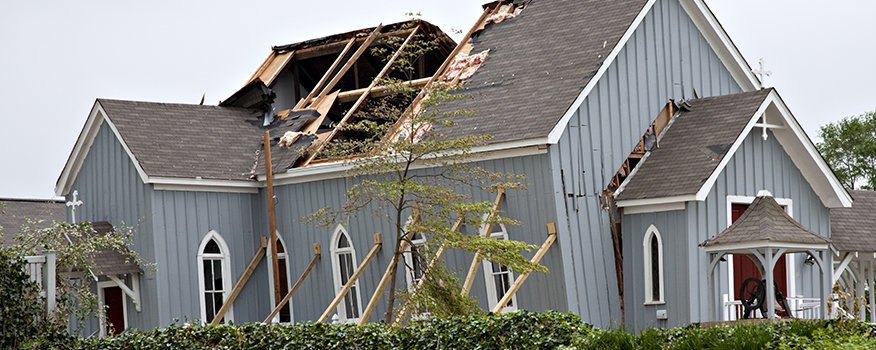
Vetting a contractor is essential in Wichita because our local weather is severe, unpredictable, and specifically engineered to expose any flaws in poor installation, meaning a cheap job today will be a catastrophic leak tomorrow. Wichita is frequently hit by high winds, severe hailstorms, and the damaging freeze-thaw cycle, which puts extreme stress on seams and materials. A poorly installed roof might survive a mild season, but it will fail instantly during a major Kansas storm event, often leading to total water damage inside your building.
A reputable contractor not only installs the roof correctly but also understands local building codes and materials that perform best in our climate, such as heavy-gauge metal flashing or specialized cold-weather membranes. If an uninsured, unlicensed crew installs a system incorrectly, your building department could order you to tear off the whole new roof and start over, costing you hundreds of thousands of dollars. Vetting thoroughly ensures you hire a professional who guarantees their work will withstand the harsh reality of the Kansas plains.
What documents should I ask for to check if the contractor is legal and legitimate?
You should always ask for and verify three legal documents: a current business license, proof of state registration, and a W-9 form, to confirm the contractor is a legal operating business and not an informal crew that will disappear after the job is done. These documents are proof that the company is officially recognized by the state and local authorities, that they pay taxes, and that they are accountable for their work.
Why is the Business License important?
A business license proves that the contractor is authorized to operate in the specific municipality (like the City of Wichita or Sedgwick County) where your property is located. This means they are aware of and agree to follow all local rules, permitting requirements, and building codes. If a contractor cannot produce a local business license, they may be operating illegally, and any work they perform might not pass city inspection, which could stop your project mid-way. Always check the license’s expiration date to ensure it is current.
What does the W-9 form tell me about the contractor?
The W-9 form provides the contractor’s legal name, business type (LLC, Inc.), and taxpayer identification number (TIN). This document confirms they are a legitimate entity prepared to handle financial transactions legally. You need this form for your own accounting and tax purposes, but it also signals that the company is serious about its financial and legal responsibilities. If a contractor seems hesitant to provide a W-9, it should raise a major red flag about their legitimacy and stability.
What if they are an out-of-state “Storm Chaser”?
After a major storm, many out-of-state “storm chasers” flood the Wichita area. They often lack local licenses, use substandard materials, and leave town before problems appear. Always ask for proof of physical local office or verifiable business longevity in the Wichita area to ensure the contractor will be around to honor the 20-year warranty they promised you. A local company like Solid Rock Commercial Roofing is invested in the community and its reputation, which is the best guarantee you can get.
How can I verify that the contractor and my property are protected from accidents?
You must require and verify two types of insurance: General Liability Insurance and Workers’ Compensation Insurance, because if a worker gets hurt or your building is damaged during the project, you need proof that the contractor’s insurance—not your business insurance—will cover the costs. This step protects your business from being sued over job-site accidents.
What does General Liability Insurance cover?
General Liability (GL) insurance covers damages the roofing crew might accidentally cause to your property or a neighboring property while working. For example, if a roofer accidentally drops a piece of heavy equipment that punctures your membrane and causes water damage to your inventory inside, the contractor’s GL insurance pays for the damage to your interior and inventory. Without adequate GL coverage, your business would be responsible for those massive repair bills and potential lawsuits. A minimum of $1 million to $2 million in coverage is standard for commercial roofing projects.
Why is Workers’ Compensation Insurance non-negotiable?
Workers’ Compensation (WC) insurance is arguably the most critical protection. It covers medical bills and lost wages for any worker injured on your property during the project. If a contractor does not have WC insurance, and a worker falls off your roof, that injured worker can legally sue your business to recover their medical costs. This could be a six-figure lawsuit that bankrupts your company. Always ask for a Certificate of Insurance (COI) directly from the contractor’s insurance agent to verify coverage and ensure you are listed as an additional insured party for the duration of the project.
Why are manufacturer certifications better than just a standard warranty?
Manufacturer certifications prove that the contractor has been specially trained and approved by the company that makes the roofing materials (like GAF or Carlisle), which grants you access to the best materials and allows the contractor to offer significantly longer, more complete warranty coverage. Most manufacturers will only give their highest level, non-prorated warranties (sometimes lasting 25 years or more) if a certified installer does the work exactly to their specifications.
What is the advantage of a Manufacturer’s Warranty?
If a basic contractor installs a material, you might only get a 5-year labor warranty from that contractor. If that contractor goes out of business, your warranty vanishes. However, a certified contractor can provide a Manufacturer’s System Warranty which is held and honored by the multi-billion-dollar material manufacturer. This warranty often covers the labor and the material for decades, providing you with true, long-term security backed by a giant company that isn’t going anywhere. This is a crucial difference, especially when you consider that over 90% of roofing warranty claims are related to poor installation, not faulty material [Source: Construction Industry Reports].
What does it mean if a contractor only offers the minimum project warranty?
A contractor that only offers the minimum 1- or 2-year labor warranty is usually focused on low-cost, short-term work and may be cutting corners during installation, expecting the roof to fail only after their limited guarantee expires. The industry standard for reputable commercial installation is a 5- to 10-year labor warranty at minimum, in addition to the material warranty.
What is the difference between a Labor Warranty and a Material Warranty?
- Material Warranty: This is the manufacturer’s guarantee that the roofing material itself is free from defects. If the TPO sheet has a defect, the manufacturer provides a new TPO sheet.
- Labor Warranty: This is the contractor’s promise that they installed the roof correctly. If the roof fails because the seams weren’t properly welded, the contractor pays to fix the seam.
A short labor warranty suggests the contractor lacks confidence in the quality of their own crew’s installation. Always aim for a comprehensive Full System Warranty—only available through certified contractors—that covers both the material and the labor for the longest possible time, often 15 to 25 years.
Should I trust a contractor that asks for a very large payment upfront?
You should be extremely cautious and probably say no to any commercial roofing contractor who demands more than 20% to 30% of the total project cost upfront, as this can be a common sign of financial instability or outright scamming, leaving you exposed to major losses. A reputable company has the financial stability to purchase the necessary materials and rent equipment without needing your entire project budget up front.
What is the standard commercial roofing payment schedule?
A fair and standard payment schedule protects both parties. It usually looks like this:
- Deposit (20-30%): Paid upfront to order materials and schedule the crew.
- Mid-Project Payment (40-50%): Paid when the majority of the roof is torn off and the new materials are delivered and beginning to be installed.
- Final Payment (20-30%): Paid only after the job is 100% complete, the final inspection is passed, all debris is removed, and you have received your full warranty documentation.
If a contractor demands 75% or 80% upfront, they may use your money to finish another job they couldn’t afford, or they may take the money and disappear, leaving you with no roof and no recourse. Be smart with your cash flow and protect yourself with clear payment milestones.
What are some non-negotiable safety standards I should look for?
You must verify that your contractor adheres to all OSHA (Occupational Safety and Health Administration) safety standards, requires daily safety meetings, and uses proper fall protection equipment, because a safe job site is a sign of a professional, organized, and reliable business. Safety is not a luxury; it is the law and a reflection of the contractor’s respect for their workers and your property.
A highly professional contractor will have a written safety plan and a dedicated Safety Officer or supervisor on site every day. Look for things like perimeter warning lines, secured ladders, and harnesses tethered to anchor points. If you see a crew working on your roof without proper fall protection, it shows they cut corners on safety, which is a good indicator that they cut corners on the actual roof installation, too. Poor safety management can lead to expensive project delays and severe liability issues for your business.
How can I confirm the contractor has a solid local reputation?
To confirm a contractor’s reputation, you must verify their local longevity by checking their business history and speaking directly to three or more local commercial property managers who can confirm the quality of their work and their professionalism. A company that has been operating in the Wichita area for 10 or more years has proven that they are financially stable and consistently deliver quality work that keeps clients satisfied.
Look for a contractor that is active in local trade associations or chambers of commerce. Most importantly, ask for a list of recent commercial projects they completed in Wichita (e.g., a local office park, a retail plaza, or an apartment building). Then, make the effort to call those property managers. Ask them three questions:
- Did the contractor finish on time and on budget?
- Did they clean up the site thoroughly every day?
- Did the contractor honor their warranty if a small repair was needed later?
The answers to these questions will give you the most honest assessment of who you are dealing with.
Frequently Asked Questions (FAQs)
Why do I need to check the contractor’s liability insurance if my building already has coverage?
You need to check the contractor’s liability insurance because their policy covers the risk they bring to your property, protecting your policy from being triggered by their actions. If a roofer damages a crane or causes a fire, your insurance company will try to recover the cost from the contractor’s insurance first (a process called subrogation). If the contractor is uninsured, your policy takes the full hit, which can increase your rates or even lead to policy cancellation. Their insurance is a necessary shield for your business.
What is a roofing bond, and should my contractor have one?
A roofing bond, or a Surety Bond, is a guarantee issued by a third party (the surety company) that promises your project will be completed according to the contract, even if the contractor goes out of business or defaults. For large, high-value commercial projects (often over $250,000), asking for a Performance Bond is a very smart move, as it provides absolute financial security that the job will be done, no matter what happens to the contractor. Only financially secure and reputable contractors can obtain these bonds.
Does a cheaper estimate mean I’m getting a better deal?
Not usually. A significantly cheaper estimate often means the contractor is using lower-grade materials, skipping necessary prep work (like replacing wet insulation), or operating without proper insurance and licenses, which reduces their operating costs. When comparing bids, check line-by-line to see if the cheapest bid includes the same thickness of membrane (e.g., 60-mil vs. 80-mil TPO) or the same scope of work (e.g., replacing damaged wood decking vs. just covering it up). The cheapest option is almost always the highest risk.
What should be in the contract about cleanup and debris removal?
The contract should clearly state that all debris, old materials, nails, and trash will be removed from your property daily, and the contractor is responsible for using magnetic sweeps to clear the ground of any metal objects, such as nails, that could damage tires or injure pedestrians. Poor cleanup creates major safety hazards and can cause environmental penalties. A professional contractor handles cleanup as a mandatory part of the job.
How can I verify if a contractor’s manufacturer certification is real?
The easiest way to verify a manufacturer certification (like GAF Master Select or Carlisle Authorized Applicator) is to call the material manufacturer directly or check their official website’s “Find a Contractor” tool. Provide the contractor’s name to the manufacturer, and they will confirm if the certification is current, active, and at the level required to offer their longest warranties. Never trust a certificate without independent verification.
Final Thoughts: Your Protection is Non-Negotiable
For your Wichita commercial property, the integrity of your roof begins not with the first shingle or membrane sheet, but with the integrity of the contractor you hire. By moving past price and thoroughly checking for licensing, insurance, manufacturer certifications, and local reputation, you are building a necessary shield around your investment. Don’t let a fly-by-night operation expose your business to expensive lawsuits or catastrophic weather damage. Protect your assets by choosing accountability.
Contact Solid Rock Commercial Roofing today to speak with a fully licensed, insured, and certified local expert. We provide transparent documentation and stand by our decades of work in the Wichita area, ensuring your roof project is completed safely, professionally, and guaranteed for the long term.
Call us to request your project quote and review our comprehensive insurance and certification portfolio.