Understanding the Lifespan of Different Commercial Roofing Materials
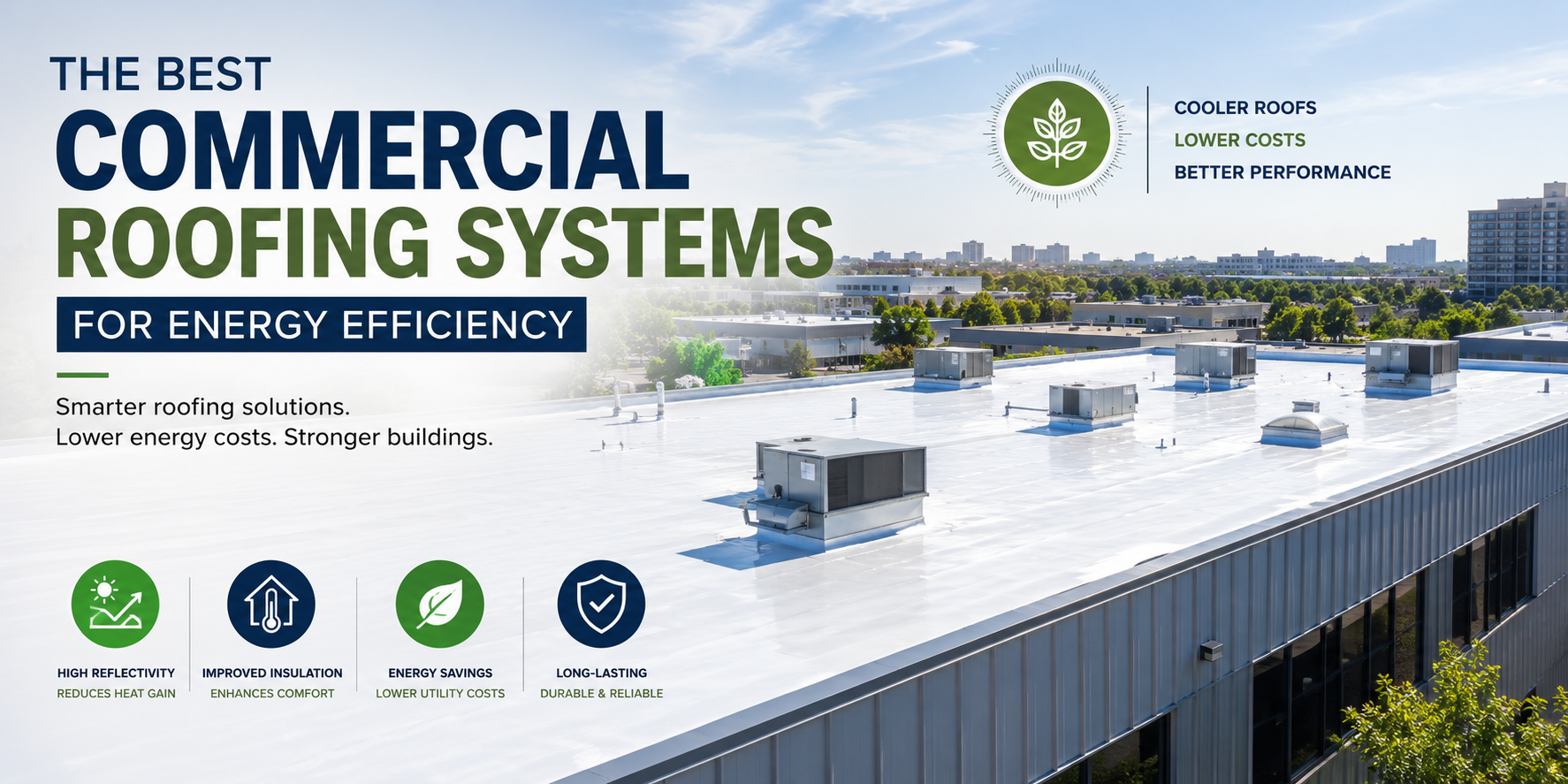
The lifespan of a commercial roof significantly impacts long-term maintenance costs and replacement planning. Understanding the durability of various materials, such as TPO, EPDM, and metal roofing, can help building owners make informed decisions that align with their budget and operational needs.
For instance, TPO roofs typically last 15 to 20 years, while EPDM can endure up to 25 years or more with proper maintenance. Metal roofs, although initially more expensive, may last 40 years or longer, providing a strong return on investment due to their longevity and low maintenance requirements.
Key Factors to Consider When Choosing a Commercial Roofing Contractor
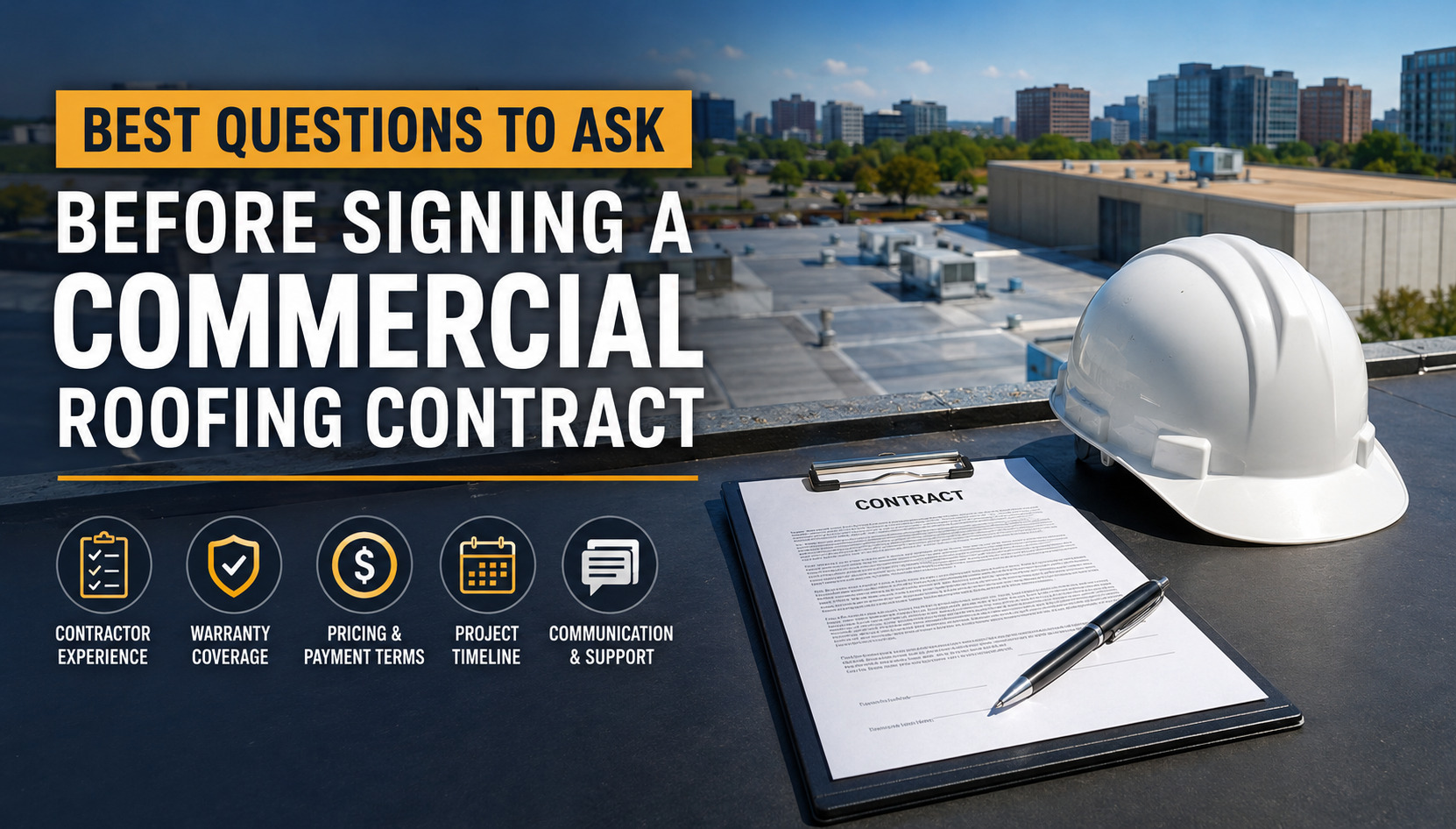
Selecting the right roofing contractor is crucial for the success of any commercial roofing project. Building owners should consider factors such as the contractor's experience, reputation, and the warranties they offer to ensure quality workmanship and materials.
Additionally, checking for proper licensing, insurance, and customer reviews can provide insights into the contractor's reliability. It's also beneficial to request detailed estimates and timelines to compare different contractors effectively before making a decision.
Seasonal Maintenance Tips for Commercial Roofs
For example, in the fall, it's important to clear debris and inspect for any damage caused by summer storms. In the spring, checking for leaks and ensuring proper drainage can help prevent water pooling, which is a common issue that can lead to significant damage if not addressed promptly.
Insurance Considerations for Commercial Roofing Projects
Understanding insurance implications is essential for commercial roofing projects, as it can impact both liability and coverage during repairs or replacements. Building owners should verify that their insurance policy covers roofing work and understand the extent of that coverage.
It's also advisable to ensure that the roofing contractor has liability insurance and workers' compensation. This not only protects the property owner from potential lawsuits but also ensures that any damages or injuries occurring during the project are adequately covered.