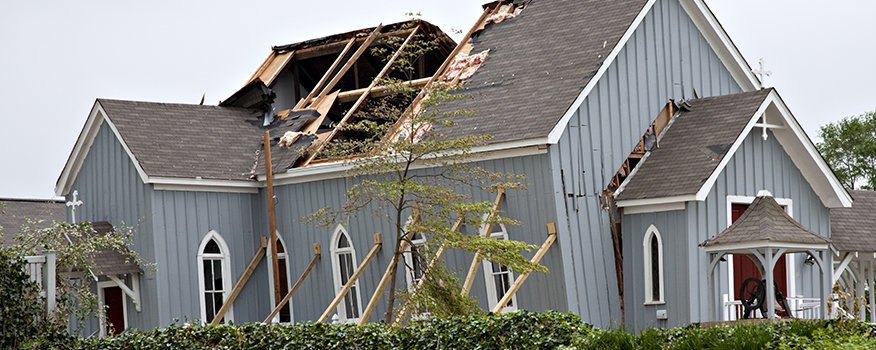
- Water stains or leaks inside the building
- Damage after hail, high winds, or severe storms
- New rooftop equipment that may have changed drainage patterns
- A roof that has not been professionally inspected in several years
A roofing inspection looks at much more than the drains.
A roofing professional may examine the membrane, flashing, seams, roof penetrations, drain openings, gutters, scuppers, and other parts of the roofing system. They will also look for signs that the roof’s drainage pattern has changed over time.
In many cases, the inspection finds only minor maintenance items that can be addressed before they become larger problems. If repairs are needed, building owners can make informed decisions based on the actual condition of the roof instead of waiting until water enters the building.
Working with a commercial roofing contractor in Wichita also means working with professionals who understand the weather conditions that commercial roofs in south-central Kansas face throughout the year. Local experience helps ensure the roof is evaluated with those conditions in mind.
Preventive Maintenance Helps Keep Water Moving
Every commercial roof benefits from regular maintenance.
No matter what type of roofing system your building has, weather, temperature changes, and normal aging will affect it over time. Routine maintenance helps keep the roof in good condition while reducing the chance that small issues will grow into larger repairs.
A maintenance visit often includes cleaning roof drains, removing debris, inspecting flashing and seams, checking rooftop equipment, and looking for signs of damage caused by recent storms.Every time it rains, your commercial roof has one important job: move water safely off the building. Most property owners think about roofing materials, but the drainage system is just as important. Without a clear path for rainwater to leave the roof, even a well-built roofing system can face unnecessary wear over time.
A commercial roof is built to protect everything beneath it. It helps keep employees, customers, equipment, inventory, and daily business operations safe from the weather. To do that well, the roof needs more than durable materials. It also needs a drainage system that can handle heavy rain and direct it away from the building.
Many commercial roofs look completely flat, but they are actually built with a slight slope. That gentle slope guides rainwater toward drains, scuppers, gutters, or downspouts. When each part of the drainage system is working as intended, rainwater leaves the roof quickly and efficiently.
Problems begin when that flow is interrupted. Leaves, dirt, trash, damaged drainage parts, or changes made to the roof can slow the movement of rainwater. Instead of draining away, moisture may stay in the same area longer than expected. If this happens often, it can increase wear on the roofing system and make future repairs more likely.
This is especially important for commercial buildings in Wichita and throughout south-central Kansas. Heavy spring storms, strong winds, hail, and sudden downpours can put any roofing system to the test. A roof that drains well during a light rain may face a much greater challenge during a severe thunderstorm.
The good news is that many drainage problems develop slowly. They often begin as small maintenance issues that can be corrected before they grow into larger roofing concerns. Regular inspections and routine maintenance help keep the drainage system working properly while giving building owners a better understanding of their roof’s condition.
In this guide, you’ll learn how commercial roof drainage systems work, what causes drainage problems, the possible effects of standing water, what to watch for after heavy rain, and when it makes sense to contact a commercial roofing contractor Wichita business owners rely on for professional roof inspections.
Key Takeaways
- Commercial roof drainage is essential to roof performance. A commercial roof is designed to move rainwater off the building quickly and efficiently. When drainage is restricted, the roofing system may experience additional wear over time.
- Most flat roofs are not completely flat. Commercial roofing systems are built with a slight slope that directs water toward drains, scuppers, gutters, or downspouts.
- Drainage problems often develop gradually. Clogged drains, debris buildup, aging roof components, structural settling, and rooftop equipment changes can all affect how water moves across the roof.
- Standing water should not be ignored. While temporary ponding after a heavy storm can occur, recurring standing water may indicate that the drainage system needs professional attention.
- Routine inspections help catch small problems early. Regular maintenance and seasonal roof inspections can identify drainage issues before they contribute to more extensive repairs.
- Building owners should monitor roofs after major storms. Standing water, overflowing drains, interior water stains, and storm debris are all signs that the roof may benefit from a professional inspection.
- Preventive maintenance protects your investment. Cleaning drains, removing debris, and inspecting roofing components on a regular schedule can help extend the service life of a commercial roofing system.
How Commercial Roof Drainage Systems Work
Many people hear the term “flat roof” and picture a perfectly level surface. In reality, most commercial roofs are built with a gentle slope that helps move rainwater toward designated drainage points. The change in height is usually small enough that it cannot be seen from the ground, but it plays a major role in protecting the roofing system.
Unlike residential roofs, commercial roofs often cover thousands of square feet. Because of their size, they cannot rely on a steep pitch to shed water quickly. Instead, engineers carefully plan how rainwater will travel across the roof before construction even begins.
Every drain, scupper, and gutter is placed with a purpose. Together, these parts create a path that allows rainwater to leave the roof as efficiently as possible. When one part of that system stops working, it can affect the performance of the entire roof.
Flat Roofs Are Built with a Slight Slope
Although they are commonly called flat roofs, most commercial roofing systems include a small amount of slope. That slope may be built into the structure itself, or it may be created by using tapered insulation beneath the roofing membrane.
Tapered insulation is designed with different thicknesses across the roof. As the insulation changes height, it creates a gradual slope that directs rainwater toward roof drains. The difference in height is usually small, but it helps prevent rainwater from collecting in random areas.
This design also allows roofing professionals to work around rooftop equipment such as HVAC units, skylights, vents, and exhaust fans without blocking the natural flow of water.
Without these carefully planned slopes, even a new roof would struggle to drain properly.
The Main Parts of a Commercial Roof Drainage System
Every commercial building is different, so drainage systems may vary from one property to another. Even so, most roofs use the same basic components to remove rainwater.
Interior Roof Drains
Interior roof drains are common on larger commercial buildings. These drains are placed at low points across the roof where rainwater naturally collects.
After entering the drain, the water travels through pipes inside the building before reaching the storm drainage system. Because these pipes are protected from the weather, they are less likely to freeze during cold weather than exterior drainage systems.
The drain openings, however, remain exposed on the roof. Leaves, dirt, trash, and other debris can collect around them over time, making regular inspections an important part of roof maintenance.
Scuppers
Buildings with parapet walls often use scuppers to remove rainwater.
A scupper is an opening built into the edge of the wall that allows water to flow off the roof. Some scuppers direct water into downspouts, while others discharge it onto splash blocks or another drainage area below.
Many buildings also include overflow scuppers. These provide an extra outlet if the primary drainage system cannot keep up during periods of heavy rainfall.
Gutters and Downspouts
Some commercial buildings rely on gutters and downspouts instead of interior roof drains.
These systems collect rainwater along the edge of the roof before carrying it safely to the ground. Commercial gutters are generally larger than residential gutters because they are designed to handle greater amounts of rainfall.
Like roof drains, gutters work best when they are free of leaves, branches, and other debris that can restrict the flow of water.
Overflow Drains
Many commercial roofs also include overflow drains. These drains act as a backup if the primary drainage system becomes blocked or cannot keep up with an unusually heavy storm.
While building owners hope these drains never need to be used, they provide an added level of protection during severe weather.
Every Part Has a Job to Do
A commercial roof drainage system works much like the plumbing inside a building. Every part depends on the others to keep things moving.
Imagine a large warehouse after several windy days in the fall. Leaves have gathered around one roof drain, but no one notices because the weather has been dry. A few days later, a strong thunderstorm moves through Wichita. Rainwater begins flowing across the roof just as the drainage system was designed to handle it. When the water reaches the blocked drain, however, the leaves slow the flow. Instead of draining away quickly, rainwater begins collecting around the opening.
Employees inside the building may never realize anything has changed because the problem is happening on the roof. Yet each additional minute that rainwater remains in that area places extra demands on the roofing system.
The drain itself may still be in good condition. The problem is simply that something is blocking the path that water is supposed to follow.
This example shows why regular roof inspections are so valuable. Many drainage problems begin with small issues that are easy to correct. Removing leaves or clearing debris from a drain takes far less time and expense than repairing damage that develops after drainage problems have gone unnoticed for months.
Routine commercial roof maintenance gives roofing professionals an opportunity to clean drainage areas, inspect the roofing system, and spot developing concerns before they become larger problems.
Why Proper Commercial Roof Drainage Matters
Every commercial roof is built with the expectation that it will get wet. Rain is part of normal weather, and modern roofing systems are designed to handle it. What matters most is how quickly that rainwater leaves the roof after the storm has passed.
A roof is built to shed water, not store it.
When rainwater drains properly, the roofing system begins drying soon after the rain ends. This reduces the amount of time moisture remains on the roof and helps the roofing materials perform as they were designed.
If the same areas hold standing water after every storm, it usually means something has changed. The cause could be as simple as leaves blocking a drain or as gradual as a low spot that has developed over many years. Whatever the reason, recurring standing water is a sign that the drainage system should be inspected.
Good drainage also makes routine maintenance easier. When water moves off the roof as expected, roofing professionals can more easily inspect the membrane, flashing, seams, and rooftop equipment for signs of wear or damage.
Many property owners first think about their roof after they notice a leak inside the building. By that time, the issue may have been developing for weeks or even months. Watching how the roof drains after a heavy rain gives building owners another way to monitor the condition of the roofing system before interior problems appear.
A roof that drains well is often easier to maintain, easier to inspect, and better prepared for the next storm.
Understanding why drainage problems develop is the next step. In many cases, they are not caused by a single event. Instead, they result from small changes that build up over time. Those changes—and the warning signs to watch for—are covered in the next section.
Common Causes of Commercial Roof Drainage Problems
Most drainage problems do not start with a major storm or a sudden roof failure. Instead, they develop little by little. A few leaves around a drain, a damaged drain cover, or years of normal wear can slowly change the way rainwater moves across the roof.
Because these changes happen gradually, they are easy to overlook. The roof may continue performing well for quite some time before the signs become obvious. By the time standing water appears after every storm, the problem may have been developing for months or even years.
Learning what causes drainage problems can help building owners recognize early warning signs and take action before small issues become larger repairs.
Clogged Roof Drains
One of the most common causes of poor commercial roof drainage is a clogged roof drain.
Commercial roofs are exposed to the weather every day. Wind carries leaves, sticks, dirt, paper, plastic, and other debris onto the roof. During a rainstorm, all of that material begins moving toward the roof drains along with the flowing rainwater.
Most drains are protected by metal strainers that keep large debris from entering the drainpipe. These strainers are important because they help prevent clogs inside the drainage system. At the same time, they can collect debris around the opening if the roof is not cleaned regularly.
Imagine a shopping center after several windy days in the fall. The roof has collected a layer of dry leaves, but everything looks normal from the ground. Then a heavy thunderstorm moves through the area. As rainwater flows toward the drains, the wet leaves stick together and begin covering one drain opening.
The drain itself is still working, but it cannot move water as quickly because the opening has become partially blocked. Rainwater begins collecting around the drain instead of flowing through it.
This is a common example of how a small maintenance issue can affect the entire drainage system. A drain does not have to be completely blocked before its performance begins to suffer.
Regular inspections and seasonal cleaning help prevent this type of problem before heavy rain arrives.
Dirt and Debris Can Slow Water Flow
Not every drainage problem involves a clogged drain.
Over time, dirt, dust, roofing granules, and small pieces of debris can collect across different areas of the roof. These materials may seem harmless, but they can change the way rainwater travels across the roofing surface.
Think of water flowing across a smooth driveway after a rainstorm. If someone places small piles of dirt along the way, the water begins to change direction. The same thing can happen on a commercial roof.
Kansas weather often adds to this problem. Strong winds can carry dust onto the roof during dry weather. Spring storms may leave behind tree branches, seed pods, or other debris. As these materials build up, they may create small barriers that slow the movement of rainwater.
Cleaning the roof as part of a regular maintenance program helps keep drainage paths open and allows water to move where it was intended to go.
Low Spots Can Form as Buildings Age
Buildings naturally change over time.
Years of normal settling, temperature changes, and everyday use can create slight changes in the roof’s surface. These changes are usually gradual and may not affect the building’s structural strength, but they can affect how water drains.
A section of roof that drained perfectly when the building was new may slowly become a low spot where rainwater collects after a storm.
Because these changes happen so slowly, many building owners do not notice them right away. They may only become aware of the problem after seeing standing water in the same location several times.
A professional roof inspection can help determine whether these low areas are affecting drainage and whether corrective work should be considered.
Damaged Drainage Components
Like every part of a building, drainage components wear with age.
Drain strainers can become bent from foot traffic or storm debris. Gutters may loosen over time. Downspouts can become damaged during severe weather. Flashing around roof drains may begin to separate after years of expanding and contracting with changing temperatures.
Each of these problems may seem small on its own, but together they can reduce the efficiency of the entire drainage system.
For example, a damaged drain strainer may allow larger pieces of debris to enter the drainpipe. A loose section of gutter may prevent rainwater from flowing evenly toward the downspout. These issues often develop slowly, which is why regular inspections are so valuable.
Finding worn or damaged parts early usually makes repairs simpler than waiting until they begin affecting other areas of the roofing system.
Rooftop Equipment Can Change Drainage Patterns
Commercial buildings rarely stay exactly the same throughout their life.
As businesses grow, new rooftop equipment is often added. Heating and cooling units may be replaced. Exhaust fans, communication equipment, solar panels, or new utility lines may also be installed.
These improvements help the building operate more efficiently, but they can also change the way rainwater moves across the roof.
For example, imagine a manufacturing facility that installs a new rooftop HVAC unit. The installation is completed correctly, but the support frame slightly changes the direction of water flowing across the roof. Instead of moving directly toward a nearby drain, rainwater now collects behind the equipment before slowly draining away.
No one notices the change during light rain because the water eventually drains. During heavier storms, however, standing water begins appearing in the same location after every rainfall.
This example shows why it is a good idea to evaluate drainage whenever new rooftop equipment is installed. Even small changes to the roof layout can affect the natural flow of water.
Delayed Maintenance Can Make Small Problems Worse
Many drainage problems become more serious simply because the roof has not been inspected for a long time.
Commercial roofs should be maintained just like heating systems, parking lots, and other important parts of a building. Small issues are easier to manage when they are found early.
A drain covered with leaves may only need a few minutes of cleaning. A damaged drain strainer may only need a simple repair. If these issues are ignored, however, repeated standing water may place additional stress on the roofing system and increase the likelihood of future repairs.
Routine inspections also give roofing professionals an opportunity to notice changes that building owners may not see from the ground. They can look for worn flashing, damaged seams, loose roofing materials, or drainage concerns before those conditions become more difficult to address.
When maintenance concerns are found, scheduling commercial roof repair promptly can help restore proper drainage and reduce the chance of more extensive work later.
Potential Effects of Standing Water on Commercial Roofs
It is normal to see some water on a commercial roof immediately after a heavy rain. During a large storm, the drainage system may need time to move thousands of gallons of rainwater away from the building.
The concern is not the water that is present while it is raining. The concern is water that remains long after the storm has ended.
When the same areas continue holding water after repeated storms, it is a sign that the roof should be inspected to determine why the drainage pattern has changed.
Roofing Materials Stay Wet Longer
Commercial roofing materials are made to withstand years of exposure to the weather. Even so, they are designed with the expectation that rainwater will drain away within a reasonable amount of time.
If standing water remains on the roof after every storm, parts of the roofing system stay wet longer than they normally would. Over many years, repeated exposure to moisture may add extra wear to those areas compared with sections of the roof that drain normally.
This does not mean every puddle will damage a roof. After especially heavy rainfall, temporary ponding can occur on some roofing systems. The concern is when the same areas continue collecting water storm after storm.
Standing Water Adds Weight
Water is heavier than many people realize.
A shallow layer spread across a large roof can add a considerable amount of weight. Commercial buildings are engineered to support expected loads, including rainfall, but roofs are also designed with the expectation that water will continue moving toward drains instead of remaining in place.
If standing water becomes a regular occurrence, a professional inspection can help determine whether changes to the drainage system or roof surface should be considered.
Water Has More Time to Reach Weak Areas
Rainwater naturally follows the easiest path available.
When it remains on the roof longer than expected, it has more time to reach seams, flashing, roof penetrations, drain connections, and other areas that naturally experience wear over the years.
Standing water does not automatically mean a leak will occur. Many commercial roofs continue performing well after heavy rain. However, recurring ponding increases the need for regular inspections because it gives roofing professionals an opportunity to monitor areas that receive more moisture than the rest of the roof.
Small Drainage Problems Can Lead to Larger Repair Bills
One of the biggest benefits of routine maintenance is that it allows building owners to address smaller problems before they become larger ones.
Cleaning drains, replacing damaged drain covers, repairing flashing, or improving drainage in one section of the roof is often less disruptive than waiting until water has affected a larger area.
In some cases, a roofing contractor may recommend a commercial roof coating for a roof that is a good candidate. While a roof coating is not the right solution for every building, it can help protect certain roofing systems as part of a long-term maintenance plan.
Taking care of drainage issues early helps protect the investment made in a commercial roof and may help reduce unexpected repair costs over the life of the roofing system.
In the final part of this guide, we’ll discuss what building owners should look for after heavy rain, when it’s time to schedule a professional roof inspection, and how regular maintenance helps keep the entire drainage system working as intended.
What Building Owners Should Check After Heavy Rain
A heavy rainstorm can reveal a lot about the condition of a commercial roof. While it may not be safe to walk on the roof after a storm, building owners and facility managers can still look for signs that the drainage system is working as it should.
The goal is not to diagnose roofing problems on your own. Instead, it is to notice changes that may need a closer look. Catching a small problem early can help prevent a larger repair later.
Look for Standing Water
One of the easiest things to watch for is standing water that remains on the roof after the rain has stopped.
It is normal for some water to be present while it is raining or shortly afterward. However, the roof should continue draining as time passes. If water remains in the same location for many hours after the storm, or if it appears in the same spot after every rainfall, the drainage system should be inspected.
If your building has upper-floor windows that overlook the roof, you may be able to safely observe how water drains without going onto the roof. Taking photos after major storms can also help you compare conditions over time.
For example, if one section of the roof collects water after every heavy rain, those photos can help show whether the problem is staying the same or becoming worse.
Check Gutters, Scuppers, and Downspouts
The roof’s drainage system should move rainwater away from the building in a steady flow.
During or after a storm, take a look at the gutters, scuppers, and downspouts if they are visible from the ground. Water should be flowing through these parts of the drainage system instead of spilling over the edges.
Overflowing gutters, water pouring over a parapet wall, or downspouts that are not draining properly may point to a blockage or another drainage issue.
These signs do not always mean major repairs are needed, but they should not be ignored. A professional inspection can determine whether cleaning, repairs, or additional maintenance is needed.
Watch for Signs of Moisture Inside the Building
Sometimes the first sign of a drainage problem appears inside the building instead of on the roof.
After a heavy rain, walk through the building and look for changes that were not there before. Watch for:
- Water stains on ceilings or walls
- Dripping water
- Damp ceiling tiles
- Moisture around skylights or roof hatches
- Musty odors that continue after the building has dried
These signs do not always mean the roof drainage system is the source of the problem. Plumbing leaks, condensation, or other building issues can produce similar symptoms.
Even so, new signs of moisture should be checked as soon as possible so the source can be found before the problem grows.
Look for Debris After Severe Weather
Kansas storms often leave more behind than rain.
Strong winds can carry tree branches, leaves, dirt, insulation, and other debris onto a commercial roof. Even if the drains worked well during one storm, leftover debris can create problems during the next one.
After severe weather, it is also a good idea to look for anything that appears out of place. Loose metal, damaged rooftop equipment, or fallen tree limbs may affect the way water moves across the roof.
Removing debris as part of regular maintenance helps keep drainage paths clear and reduces the chance of standing water after future storms.
Keep a Record of What You See
A single inspection may not reveal much, but several observations made throughout the year can tell a different story.
You may notice that one drain seems to overflow every spring. Perhaps a ceiling stain only appears after the heaviest storms. Maybe one section of the roof always seems to hold water longer than the rest.
Keeping simple notes or taking photographs after major storms can help you spot patterns that would otherwise be easy to miss.
This information can also be helpful during a professional roof inspection because it gives the roofing contractor a better understanding of how the roof has been performing over time.
When Should You Schedule a Professional Roof Inspection?
Regular maintenance is one of the best ways to help keep a commercial roof in good condition, but there are times when a professional inspection is especially important.
If you notice changes in the way your roof drains, it is better to have the roof inspected sooner rather than waiting for a leak to appear inside the building.
Consider scheduling an inspection if you notice:
- Standing water after several rainstorms
- Roof drains that appear to be draining slowly
- Gutters or scuppers that overflow during normal rainfall
These visits also allow roofing professionals to compare the roof’s current condition with previous inspections. Small changes are often easier to recognize when maintenance records are available.
Many building owners schedule roof inspections twice each year, usually in the spring and fall. Additional inspections after hailstorms, high winds, or other severe weather can also help identify damage before it leads to leaks or drainage problems.
While no roof lasts forever, regular maintenance can help extend the service life of the roofing system and reduce unexpected repair costs.
Conclusion
A commercial roof does much more than cover a building. It protects the people, equipment, and daily operations inside. For the roof to do that job well, rainwater must have a clear path off the building.
A properly designed commercial roof drainage system directs rainwater toward drains, scuppers, gutters, and downspouts. When those drainage paths remain clear, the roof can dry more quickly after a storm and continue performing as intended.
Many drainage problems begin with small issues that are easy to miss. Leaves around a drain, debris left behind after a storm, damaged drainage components, or gradual changes in the roof can all affect how water moves across the surface. Left alone, these problems may lead to standing water that places extra stress on parts of the roofing system.
The good news is that many drainage concerns can be found during routine inspections. Watching how your roof performs after heavy rain, keeping drainage areas clean, and scheduling regular maintenance are simple steps that can help protect your investment for years to come.
If you have noticed standing water after recent storms, slow-draining roof areas, or other signs that your roof may not be draining properly, now is a good time to have it inspected.
The experienced team at Solid Rock Commercial Roofing provides professional roof inspections, maintenance, repairs, and drainage evaluations for commercial buildings throughout Wichita and the surrounding communities. We can help you understand your roof’s condition and recommend practical solutions based on its needs.
Contact Solid Rock Commercial Roofing for a free estimate by visiting https://solidrockcorp.com/contact-us/ or call (316) 227-2628 to schedule your appointment today.
Frequently Asked Questions
How does commercial roof drainage work?
Commercial roof drainage systems are designed to direct rainwater off the roof through a network of drains, scuppers, gutters, and downspouts. Most commercial roofs include a slight slope that guides water toward these drainage points, even though the roof may appear flat.
Are commercial flat roofs actually flat?
No. Most commercial flat roofs are built with a subtle slope to encourage water to flow toward designated drainage outlets. This slope may be created by the building’s structure or with tapered insulation beneath the roofing membrane.
Is standing water on a commercial roof always a problem?
Not necessarily. Small amounts of water may remain immediately after a heavy rain while the drainage system continues removing rainfall. However, standing water that remains in the same location after multiple storms should be professionally evaluated.
What causes commercial roof drains to clog?
Roof drains commonly become clogged by leaves, twigs, dirt, roofing granules, trash, and other wind-blown debris. Regular maintenance helps keep drains clear and allows water to flow as intended.
How often should commercial roof drains be inspected?
Most commercial roofing professionals recommend inspecting roof drains at least twice each year, typically during the spring and fall. Additional inspections after severe storms are also a good practice.
Can rooftop equipment affect roof drainage?
Yes. New HVAC units, solar panels, walkways, and other rooftop additions can change how water flows across the roof. Whenever new equipment is installed, it’s wise to verify that drainage patterns have not been affected.
What are the signs of poor commercial roof drainage?
Common warning signs include standing water after rainfall, overflowing gutters or scuppers, slow-draining roof areas, recurring interior water stains, and debris collecting around roof drains.
When should I call a commercial roofing contractor?
You should schedule a professional inspection if you notice recurring standing water, slow drainage, interior leaks, storm damage, or if your roof has not been inspected in several years.
This article is a collaboration between Solid Rock Corporation and OpenAI’s ChatGPT. Created on July 20, 2026, it combines easy-to-read information with Solid Rock’s expert oversight to ensure accuracy and relevance.
Recommended Reading
1. Low-Slope Roof Drainage
National Roofing Contractors Association (NRCA)
The NRCA provides technical guidance on drainage design for low-slope commercial roofs, including drainage methods, code considerations, and best practices for preventing ponding water. This is an excellent resource for facility managers, architects, and commercial property owners seeking a deeper understanding of commercial roof drainage.
2. Roofing Systems
Whole Building Design Guide (National Institute of Building Sciences)
The Whole Building Design Guide offers an in-depth look at commercial roofing systems, including drainage design, moisture management, maintenance considerations, and long-term building performance. It provides valuable building science context that complements this article.
URL:
https://www.wbdg.org/guides-specifications/building-envelope-design-guide/roofing-systems
3. International Building Code (IBC) – Roof Drainage Requirements
International Code Council (ICC)
The International Building Code establishes minimum requirements for roof drainage systems in commercial buildings, including provisions for primary and secondary (overflow) drainage. This resource is particularly useful for building owners, facility managers, architects, and design professionals interested in code compliance.
URL:
https://codes.iccsafe.org/content/IBC2024P1/chapter-15-roof-assemblies-and-rooftop-structures