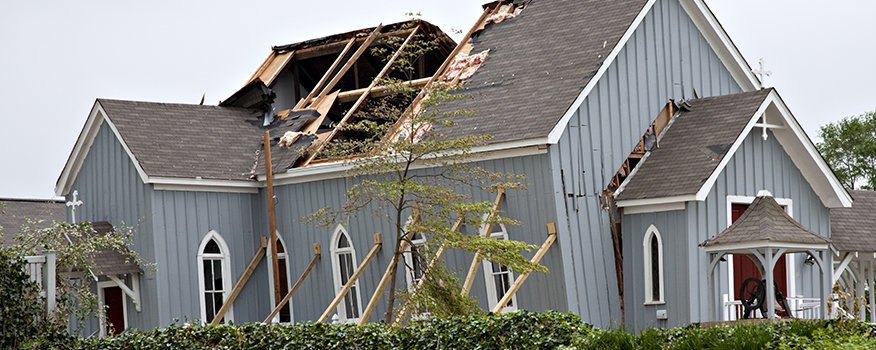
Most commercial roofs do not fail all at once. They fail quietly while small warning signs are missed: a drain that stays clogged, a seam that starts to open, flashing that pulls loose, ponding water that sits too long, or a leak that only shows up after the damage has already moved inside.
A commercial roof inspection helps bring those hidden issues into the open before they become expensive interruptions. This guide explains what happens during an inspection, what inspectors look for, how often commercial roofs should be checked, and how inspection findings can guide repair, restoration, replacement, budgeting, warranty protection, and storm response.
Key Takeaways
- Commercial roof inspections help identify small issues before they become major leaks, structural concerns, or emergency repairs.
- Inspections support better budgeting, maintenance planning, warranty documentation, and insurance-related decision-making.
- A complete inspection should review the roof surface, seams, flashing, drains, penetrations, rooftop equipment, moisture indicators, and documentation needs.
- Kansas weather makes regular inspections especially important because hail, high winds, freeze-thaw cycles, snow, and ponding water can accelerate roof problems.
- Inspection findings can help determine whether your roof needs maintenance, commercial roof repair, roof restoration, or roof replacement.
- The best time to inspect a commercial roof is before a leak, storm, warranty issue, or capital planning deadline forces the conversation.
What Is a Commercial Roof Inspection?
A commercial roof inspection is a structured evaluation of the roof system and the conditions that affect its performance. It is not just a quick walk across the roof. A useful inspection looks at how the full roof assembly is holding up, where water may be entering or collecting, and what conditions could become more expensive if ignored.
On most commercial properties, that means reviewing the membrane or surface layer, seams, flashing, drains, gutters, edge details, penetrations, rooftop equipment, traffic areas, moisture clues, and visible signs of storm or weather damage. The goal is not to scare owners into unnecessary work. The goal is to create a clear condition snapshot so the next decision is based on evidence.
If you are still learning how commercial systems work as a whole, start with The Ultimate Guide to Commercial Roofing Systems. If you are comparing specific systems, the commercial roofing systems comparison page is a helpful companion.
Why Commercial Roof Inspections Matter
A commercial roof protects more than a building shell. It protects inventory, employees, tenants, equipment, operations, and the owner’s budget. When roof problems go unnoticed, the repair bill is only one part of the loss. Water intrusion can affect ceilings, insulation, electrical systems, tenant satisfaction, business continuity, and long-term property value.
- Early leak detection: Small vulnerabilities can be addressed before they turn into interior damage.
- Budget planning: Inspection reports help owners forecast repair, restoration, or replacement needs.
- Maintenance value: Routine inspections support commercial roof preventative maintenance.
- Warranty protection: Documentation can help owners understand and support warranty responsibilities.
- Insurance documentation: After storms, inspection findings can help document roof condition and visible damage.
For more on the financial side of roof neglect, see the unexpected costs of a leaky commercial roof and how deferred roof maintenance impacts property value and insurance claims.
What Happens During a Commercial Roof Inspection?
A good inspection follows the roof system from the obvious surface conditions to the details where failures often begin. The process may vary depending on the roof type, building access, weather, and reason for inspection, but the major checkpoints are consistent.
1. Roof Surface and Membrane Condition
The inspector reviews the roof surface for cracks, punctures, blisters, open seams, surface wear, loose material, coating deterioration, and visible signs of weather exposure. This matters whether the roof is a membrane system, metal system, modified bitumen assembly, or coating-based restoration.
Different systems require different priorities. For example, TPO and PVC roofs, EPDM roofing, and modified bitumen roofing each have different inspection considerations.
2. Drainage, Ponding Water, and Gutters
Drainage is one of the most important parts of a commercial roof inspection, especially on low-slope and flat roofing systems. Inspectors look for ponding water, clogged drains, blocked scuppers, debris, gutter problems, and signs that water is not moving off the roof as intended.
Supporting resources include how clogged drains and gutters damage commercial roofs, why clogged roof drains cost businesses money, and why ponding water should be addressed before winter.
3. Flashing, Edge Metal, and Transitions
Flashing, edges, curbs, walls, and transition areas often reveal problems before the main roof field does. During inspection, these areas are checked for separation, lifting, gaps, loose metal, damaged sealant, and vulnerable water-entry points.
4. Penetrations and Rooftop Equipment
Commercial roofs often support HVAC units, vents, pipes, curbs, skylights, supports, and other rooftop equipment. These areas create penetrations through the roof system, which means they need careful attention. Inspectors look for loose details, damaged seals, poor supports, foot-traffic wear, and signs that service work has affected the roof.
For more detail, see how rooftop HVAC systems can damage your roof and whether roof inspections can help prevent HVAC-related problems.
5. Moisture Indicators and Interior Clues
Some roof problems show up inside before they are obvious outside. Inspectors may consider interior stains, ceiling damage, soft spots, suspicious odors, wet insulation indicators, or signs that water has traveled away from the original entry point.
Hidden moisture can be especially costly in winter. Related resources include how hidden winter leaks can damage a roof deck and how Kansas freeze-thaw cycles damage commercial roofs.
6. Photos, Notes, and Recommendations
The most useful inspections do not end with vague comments. They should create a clear record of what was found, what should be watched, what needs repair, and what may require planning. Strong documentation helps owners compare options and build a better long-term roof strategy.
Common Problems Found During Commercial Roof Inspections
Every roof is different, but commercial inspections often uncover patterns that property owners should take seriously. These issues may start small, but they can turn into major costs if they are ignored long enough.
- Ponding water or drainage problems
- Open seams, punctures, or membrane wear
- Loose flashing or edge metal
- Damage around HVAC units, pipes, vents, and skylights
- Hail impact, wind damage, or debris damage
- Ice dams, snow load stress, or freeze-thaw movement
- Signs that the roof may need repair, restoration, or replacement planning
Helpful follow-up reads include top signs your commercial roof needs repair, high-wind roof damage risks, and commercial roofing hail damage guidance.
How Often Should Commercial Roofs Be Inspected?
Many commercial roofs should be inspected at least twice a year, commonly in spring and fall, and again after major weather events. The right schedule can vary based on the roof type, age, warranty requirements, weather exposure, maintenance history, and how critical the building operations are.
- After major hail, wind, or heavy rain events
- Before winter weather arrives
- Before annual budgeting or capital planning cycles
- Before warranty reviews or claim-related conversations
- After significant rooftop work by HVAC, electrical, or maintenance crews
For a deeper scheduling discussion, see how often Wichita business owners should schedule commercial roof inspections and the best time of year to schedule commercial roof maintenance.
Seasonal Commercial Roof Inspection Planning
Spring Inspections
Spring inspections are useful for identifying winter damage, clearing debris, checking drains, and preparing for hail and storm season. See spring showers and hail threats for more seasonal context.
Summer Inspections
Summer inspections often focus on heat stress, UV exposure, storms, rooftop HVAC activity, and tenant-impact issues. Helpful follow-up resources include summer heat and storms and summer heat warning signs.
Fall Inspections
Fall is one of the most important times to inspect a commercial roof because drains, gutters, flashing, and small vulnerabilities should be addressed before winter. Review why your commercial roof needs a fall inspection and fall roofing prep before the first cold snap.
Winter Inspections
Winter inspection needs often revolve around snow, ice, drainage, freeze-thaw movement, and emergency leak response. See snow and ice roof-load risks, ice dams on commercial roofs, and what to do when your roof leaks during a snowstorm.
Commercial Roof Inspections and Warranty Protection
Roof warranties can be valuable, but they are not magic shields against every roof problem. Many warranties come with owner responsibilities, including proper maintenance, documentation, and timely response to issues. A commercial roof inspection helps create the record owners may need when warranty questions arise.
To understand this topic better, read what a commercial roofing warranty actually covers, what lifetime roofing warranties really mean, and what Wichita roof warranties may not cover.
Drone Technology and AI in Commercial Roof Inspections
Technology is changing how commercial roof conditions are documented. Drone imagery, digital reports, and AI-assisted analysis can help contractors capture roof conditions more efficiently and create better records for owners. These tools do not replace roofing judgment, but they can improve documentation and make inspection findings easier to understand.
For a deeper look at this trend, read what AI and drones mean for the future of commercial roof inspections in Kansas.
Inspection vs. Maintenance vs. Repair
These terms are related, but they do not mean the same thing. Understanding the difference helps owners avoid confusion and make better decisions.
- Inspection identifies current conditions and potential problems.
- Maintenance helps protect the roof through cleaning, monitoring, minor upkeep, and planned service.
- Repair addresses active damage or specific problems found during inspection.
The best service pages for this decision path are commercial roof preventative maintenance and commercial roof repair. A helpful supporting read is best practices to extend the life of your commercial roof.
What Happens After a Commercial Roof Inspection?
A roof inspection should not leave owners guessing. After the inspection, the next step should be a clear explanation of what was found and what options make sense.
- No immediate action: The roof may simply need routine monitoring and documentation.
- Maintenance recommendations: Drains, debris, flashing, or traffic areas may need attention.
- Minor repairs: Isolated issues may be repairable before they spread.
- Restoration review: Some roofs may be candidates for commercial roof coatings or restoration.
- Replacement planning: If the roof is beyond practical recovery, replacement may be the smarter long-term path.
For next-step decision support, see whether your roof is healthy enough for restoration and when it may be too late to repair a commercial roof.
How Roof Inspections Support Better Budget Planning
The best roofing budgets are based on roof condition, not guesswork. Inspection findings help owners separate urgent needs from future planning, compare repair and restoration options, and avoid being forced into emergency spending.
A commercial roof inspection can help determine whether a building needs a small repair now, a maintenance plan this year, a coating or restoration evaluation, or a longer-term replacement budget. That gives owners more control over timing and financial planning.
For deeper cost planning, review the Commercial Roofing Cost Guide and how to budget for roof repairs or replacement before year-end.
Choosing the Right Commercial Roofing Contractor for Inspections
A roof inspection is only as valuable as the expertise behind it. Commercial property owners should look for a contractor who understands commercial systems, documents findings clearly, communicates options without pressure, and can support the roof beyond the inspection itself.
- Experience with commercial roofing systems
- Clear photo documentation and recommendations
- Local knowledge of Kansas weather conditions
- Understanding of repair, restoration, replacement, coatings, and maintenance pathways
- A long-term service mindset rather than a one-visit sales approach
Start with Solid Rock’s commercial roofing contractor page. Supporting resources include 5 questions to ask before hiring a commercial roofing contractor, why local knowledge matters, and local roofing service vs. national chains.
Schedule a Commercial Roof Inspection Before a Small Issue Becomes a Major Cost
A commercial roof inspection is not just a maintenance task. It is a planning tool, a budget tool, a warranty-support tool, and one of the best ways to protect the building before a leak turns into a business disruption.
Request an Inspection
Learn About Free Roof Inspections
Explore Commercial Roofing Services
- Need repair support? Visit commercial roof repair.
- Evaluating restoration? Explore roof restoration.
- Planning for replacement? Review commercial roof replacement.
Frequently Asked Questions About Commercial Roof Inspections
How often should a commercial roof be inspected?
Many commercial roofs should be inspected at least twice a year, commonly in spring and fall, and after major storms. The right schedule depends on roof age, system type, weather exposure, warranty requirements, and the building’s operational risk.
What does a commercial roof inspection include?
A commercial roof inspection usually includes review of the roof surface, seams, flashing, drains, gutters, penetrations, edge details, rooftop equipment, moisture indicators, storm damage, and documentation of visible conditions.
How long does a commercial roof inspection take?
The inspection time depends on roof size, access, system type, number of penetrations, and the complexity of the building. Larger or more complex commercial roofs typically require more time to evaluate and document properly.
Can roof inspections prevent major repairs?
Roof inspections can help identify small issues before they become major repairs. They cannot prevent every problem, but they can help owners catch drainage problems, seam issues, flashing concerns, storm damage, and moisture clues earlier.
Do roof inspections help with warranties?
Yes. Inspection records and maintenance documentation can help owners support warranty responsibilities and better understand what may or may not be covered. Warranty terms vary, so owners should review their specific warranty documents carefully.
Should commercial roofs be inspected after storms?
Yes. After hail, high winds, heavy rain, or major storms, a commercial roof inspection can help identify visible damage, document conditions, and determine whether repair, restoration, or insurance-related next steps may be needed.
What happens if a roof inspection finds damage?
If damage is found, the contractor should explain the findings, provide documentation where appropriate, and recommend next steps. That may include maintenance, repair, restoration, insurance documentation, or replacement planning depending on the roof’s condition.
This article is a collaboration between Solid Rock Corporation and OpenAI’s ChatGPT. Created on May 14, 2026, it combines AI-generated draft material with Solid Rock’s expert revision and oversight, ensuring accuracy and relevance while addressing any AI limitations.