- Introduction: The Invisible Enemy
- Key Takeaways:
- The Lifting Force: How Wind Tries to Pull Your Roof Off
- The Weakest Link: Why Roof Edges Fail First
- The Flapping Effect: Damage to Single-Ply Membranes
- The Sandblaster: Wind Scouring on Built-Up Roofs
- Small Missiles: Debris Damage to Rooftop Equipment
- Frequently Asked Questions (FAQs) About Wind Damage to Commercial Roofs
- Why is wind a more constant threat than hail for commercial roofs in Kansas?
- What is "wind uplift" and how does it damage a flat roof?
- Which part of a commercial roof is most likely to fail due to wind?
- How does wind damage single-ply membranes like TPO or EPDM?
- What is "wind scouring" and why is it dangerous for ballasted roofs?
- What is the most important step for protecting a commercial roof from wind damage?
- Why are small tears around rooftop equipment such a big problem?
- Conclusion and Call to Action
Introduction: The Invisible Enemy
In Kansas, we are used to extreme weather. When a major storm hits, everyone quickly checks for hail damage. Those visible dents and dings are easy to spot on your roof, and most insurance claims start there.
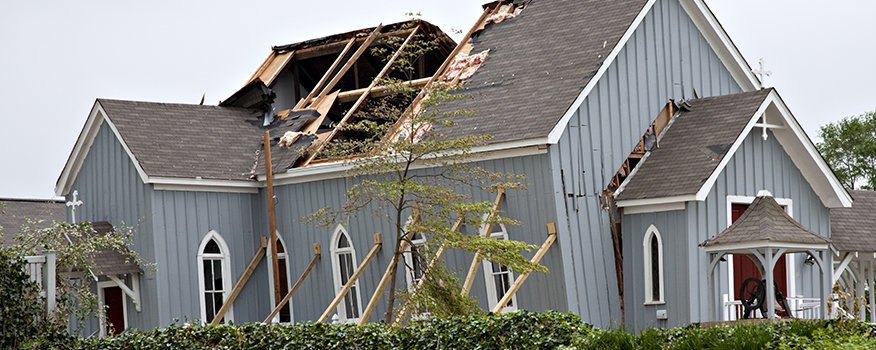
However, the real, constant enemy of your commercial building’s flat roof is high-speed wind.
Key Takeaways:
- Wind is the Constant, Invisible Threat: High winds cause hidden, cumulative damage (like uplift and fatigue) that is often more destructive than immediate hail damage, leading to expensive leaks months or years later.
- Wind Uplift Causes Internal Stress: Wind moving over a flat roof creates a powerful suction (uplift) that constantly pulls the roof assembly upward, stressing and loosening the screws, glue, and fasteners from the inside.
- The Edges Are the Weakest Link: Roof corners and perimeters experience the highest suction forces (2-3 times stronger than the middle) and are the first areas where the roofing system fails. Securing the edge metal is essential.
- Membranes Suffer from Fatigue: On TPO/EPDM roofs, wind causes the material to flap repeatedly (fluttering), which wears out the membrane and can cause it to tear right around the fasteners (“fastener pull-through”).
- Ballasted Roofs Get “Sandblasted”: On gravel roofs, wind blows the protective rock layer away (scouring), leaving the underlying asphalt exposed to rapid breakdown by the sun’s UV rays.
- Debris Attacks Critical Seals: Loose objects become high-speed projectiles that damage the small, specialized seals (flashings) around rooftop equipment, creating tiny holes that allow water to slowly rot the insulation below.
- The Solution is Proactive Inspection: The best way to prevent a catastrophic roof failure is through proactive, seasonal inspections that specifically target the vulnerable edges and the flashings around all rooftop penetrations.
Wind doesn’t just push on your roof—it actually works to pull the roof entirely off. This continuous pulling, shaking, and flapping causes serious damage that is nearly impossible to see right away. These secret problems—known as wind uplift, material fatigue, and surface stripping—often lead to roof failure and expensive leaks months or even years later. You might believe your roof is fine, but hidden damage is building up beneath the surface.
This article clearly explains the specific ways wind silently attacks commercial roofs in Kansas. By understanding where the wind strikes hardest and what damage it causes, you can act now to protect your business.
The Lifting Force: How Wind Tries to Pull Your Roof Off
Imagine you are trying to lift a giant lid off a heavy box. This upward pulling motion is exactly what wind does to your roof. This force is called wind uplift.
It might seem strange that fast air moving over a flat roof creates a lifting motion, but it follows the same science that allows an airplane wing to fly.
- Fast Air Creates Suction: When wind rushes quickly across the top of your roof, it lowers the air pressure there. This difference creates a powerful suction.
- Air Pushes From Below: At the same time, air is always leaking or sneaking its way into your building. It comes in through small gaps, vents, or when a loading dock door is open. This trapped air raises the pressure underneath the roof.
When the pressure under the roof is stronger than the pressure on top, the entire roof assembly is pushed up. This constant pulling stresses every single part of the roof: the screws, the glue, and the heavy plastic or rubber membrane material itself.
A roof rarely blows off during one big storm. Instead, this repeated lifting and pulling gradually weakens the whole system. The glue holding the sheets down gets tired. The screws holding the insulation become loose. Because taller buildings are hit by faster, stronger winds, this problem is much greater for those structures. Over time, the materials wear out, setting the stage for a total failure during the next major Kansas storm.
The Weakest Link: Why Roof Edges Fail First
Think about when a rushing river hits a sharp bend or a rock. The water speeds up and swirls violently around the edges. Wind does this exact same thing when it hits the side of your building.
Roof perimeters (the edges) and corners are always the first places to fail for two critical reasons:
- Extreme Suction at Corners: When the fast wind rushes past a sharp corner, it creates intense, powerful air swirls, like mini-tornadoes. These corner areas experience suction forces that are two or even three times stronger than the middle section of the roof. The wind is literally trying to rip off the roof at these edges.
- The Wind Gets Inside: These high-pressure zones target the edge metal (fascia), which acts like the roof’s main line of defense. If that metal edge is loose or fails—which happens often because of the extreme pressure—the wind immediately sneaks under the roofing material.
Once wind gets under the membrane, it instantly pushes up on the whole system. This makes it easy for the wind to peel the entire roof back, like tearing the wrapping off a package. This is why keeping the edge metal secure is the most important step in preventing a roof disaster. By saving the edge, you save the whole roof assembly.
The Flapping Effect: Damage to Single-Ply Membranes
Many modern commercial roofs use large, single sheets of a synthetic material like TPO (a plastic) or EPDM (a rubber). These are called single-ply membranes. Wind damages them through a problem called membrane fluttering and fatigue.
- Fluttering (The Shake): On roofs where the material is mechanically attached (using rows of screws and large plates), the membrane is loose between those fasteners. When the wind pulls up on the roof, the material starts to flap, lift, and crash back down hundreds of times. This repeated, harsh movement is called fluttering.
- Fatigue (The Slow Break): This constant flapping motion causes the material to become fatigued, meaning it loses its strength and wears out. The membrane starts to tear open right around the screw plates. This slow tearing process is often called “fastener pull-through.” It’s like bending a paperclip back and forth until the metal finally breaks. This is a common failure for TPO and EPDM roofs that are always exposed to Kansas winds.
Even on roofs that are fully glued down, the constant movement stresses the seams where two sheets are overlapped and sealed. Over time, this flexing can cause tiny cracks or pinholes to form along the seam lines. After just one major windstorm, the strength of a welded seam can be reduced by almost 30%. These tiny breaks compromise the watertight seal, allowing water to sneak in and slowly destroy the insulation underneath.
The Sandblaster: Wind Scouring on Built-Up Roofs
Wind scouring is a problem that happens mainly on older Built-Up Roofing (BUR) or ballasted systems. Ballasted roofs use a protective layer of river rocks or gravel spread across the membrane to hold it down (this layer is the ballast).
In Kansas, high-velocity winds continuously sweep and move these loose materials across the roof surface, much like a sandblaster. This constant movement causes two severe problems:
- Erosion and Bare Spots: The wind literally blows the protective layer of rock or gravel off the roof, often piling it up in corners or behind equipment. This creates “bald spots” where the underlying asphalt and felt layers are completely exposed.
- Sun Damage: Once exposed, the materials lose their protection from the sun’s intense ultraviolet (UV) rays. The UV radiation quickly breaks down the asphalt, making the material dry, brittle, and prone to cracking.
Wind scouring is a silent threat because it doesn’t cause an immediate leak. When a building manager inspects the roof, they might only see a small section of missing gravel, which seems minor. However, that patch of missing protection means the roof material underneath is aging years faster than the rest of the roof. This accelerated damage eventually leads to major cracks and widespread water leaks.
Small Missiles: Debris Damage to Rooftop Equipment
High winds don’t just hit the main roof area; they turn loose objects into dangerous projectiles. Loose equipment covers, pieces of wood, or even fast-moving chunks of gravel become small missiles during a storm. This wind-driven debris targets the most important and sensitive areas of your roof: the critical seals around rooftop equipment.
These critical areas are the specialized metalwork and rubber seals (called flashings) that wrap around every penetration on your roof:
- HVAC units
- Gas lines
- Exhaust vents
- Roof drains
If a loose object strikes the seal around a pipe or a vent, it can cause a tiny tear that is nearly impossible to spot from the ground. While the large, flat area of the roof stays intact, this small break around a pipe becomes a long-term problem. It allows water to slowly drip into your building whenever it rains. Over time, this slow, steady leak soaks the roof’s insulation, damages the wood or metal roof deck, and eventually causes serious structural issues inside your building. The most common damage from wind debris is a small, hard-to-find hole that turns into a massive, expensive water problem.
Frequently Asked Questions (FAQs) About Wind Damage to Commercial Roofs
Why is wind a more constant threat than hail for commercial roofs in Kansas?
Hail damage is usually immediate and obvious (dents and dings), but wind causes silent, gradual damage (like wind uplift and material fatigue) that weakens the roof system over time. This hidden damage often leads to expensive leaks and failures months or years after a storm, making wind a continuous, long-term threat.
What is “wind uplift” and how does it damage a flat roof?
Wind uplift is the powerful suction created when fast-moving air travels over a flat roof. This low pressure on top, combined with higher air pressure inside the building, pulls the entire roof assembly upward, stressing all the mechanical fasteners and glued seams.
Which part of a commercial roof is most likely to fail due to wind?
The roof perimeters (edges) and corners are the most vulnerable. Wind turbulence at these points creates suction forces that can be two or three times stronger than in the middle of the roof. If the edge metal (fascia) fails, the wind can get underneath and peel the roof back.
How does wind damage single-ply membranes like TPO or EPDM?
Wind causes the material to repeatedly flap and snap back down (called “fluttering”). This action leads to “material fatigue,” which weakens the membrane, causing it to tear open around the screws and plates used to hold it down (known as “fastener pull-through”).
What is “wind scouring” and why is it dangerous for ballasted roofs?
Wind scouring is when high-speed winds blow the protective gravel or river rock layer (ballast) off a roof. This exposes the asphalt layers underneath to the sun’s intense UV rays, causing them to become dry, brittle, and crack much faster than normal.
What is the most important step for protecting a commercial roof from wind damage?
The absolute best defense is proactive, seasonal inspections by a contractor. These checkups should happen before the heavy wind seasons (spring and fall) and must focus specifically on securing the vulnerable edge metal and the rubber seals (flashings) around all rooftop equipment.
Why are small tears around rooftop equipment such a big problem?
High winds turn loose objects into small missiles that can strike and tear the critical seals (flashings) around pipes, vents, or HVAC units. Even a tiny, hard-to-spot tear allows water to slowly leak in, soaking the insulation and eventually causing massive structural damage to the roof deck
Conclusion and Call to Action
Protecting your commercial roof from high winds requires you to look past the obvious damage caused by hail. The constant, hidden forces of wind uplift, material fatigue, perimeter suction, and surface scouring are slow, powerful forces that cause your roof to fail from the inside out.
The absolute best defense for any commercial roof in Kansas is a simple plan: proactive, seasonal inspections.
These checkups should happen before the heavy wind seasons (in spring and fall) and must focus specifically on securing and reinforcing the vulnerable edges and flashing details. A contractor must check every piece of edge metal for looseness, re-tighten any mechanical fasteners that have moved, and ensure all seams are holding strong. By focusing on these high-stress points where different materials meet, you stop small, easy-to-fix problems from quickly becoming a total roof catastrophe during the next major windstorm.
If your commercial building has endured recent high winds, do not wait for the leak to begin. The damage is likely already there and silently getting worse.
Call to Action: Contact Solid Rock Commercial Roofing today for a comprehensive, no-obligation wind damage inspection. We will focus on these often-overlooked vulnerabilities. Let us find the hidden wind damage before it finds your inventory and forces an emergency repair.