For commercial property owners in Wichita, the two most critical components of their building’s infrastructure—the roof and the HVAC system—are often managed as separate entities. The roofing contractor handles one, and the HVAC technician handles the other. This siloed approach, however, can be a costly mistake. The truth is, these two systems have a deep and symbiotic relationship, especially on the flat and low-sloped roofs common across Sedgwick County. A problem with one can quickly lead to a failure in the other, creating a vicious cycle of expensive repairs.
Solid Rock Commercial Roofing understands this intricate connection. We believe that an integrated inspection that considers both the roof’s health and the HVAC system’s impact is not just a good idea—it’s an essential strategy for preventing costly HVAC failures and extending the life of your commercial roof. This article will explore the direct relationship between your roof and your rooftop HVAC units, detailing how roof issues affect HVAC performance and vice versa, and outlining how a comprehensive commercial roof inspection can save you money on both fronts.
The Interconnected Systems: How Your Roof and HVAC Rely on Each Other
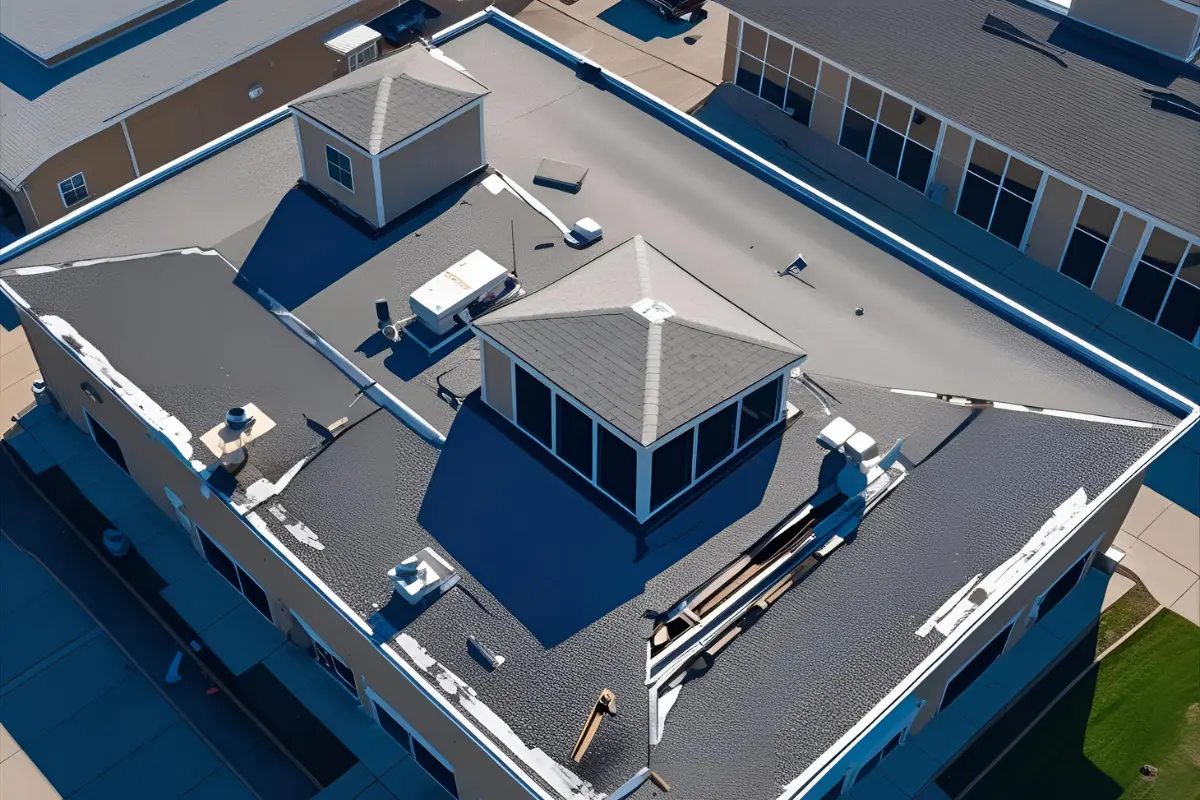
Rooftop HVAC units are a practical solution for commercial buildings, saving interior space and providing easy access for technicians. However, their placement directly on the roof creates a host of vulnerabilities for both systems.
How the HVAC System Can Damage the Roof:
- Mechanical Damage and Vibration: A typical rooftop HVAC unit can weigh hundreds or even thousands of pounds. The constant vibration from the unit’s operation, especially if it’s not properly mounted, can gradually loosen fasteners and cause the roofing membrane to rub against the curb, leading to abrasions, small tears, and eventual leaks.
- Improper Installation and Penetrations: Every time an HVAC unit is installed, repaired, or replaced, it requires penetrations through the roof for ductwork, electrical conduits, and mounting systems. If the flashing and seals around these penetrations are not meticulously installed or maintained, they become the primary entry points for water. According to some industry reports, up to 90% of commercial roof leaks can be attributed to faulty flashing and penetrations. (Source: NationsRoof, “Top 5 Causes of Commercial Roof Damage“)
- Condensation and Drainage Issues: HVAC units produce condensation as part of their cooling cycle. A properly functioning unit drains this water away, but a clogged or malfunctioning drain line can cause condensation to pool on the roof surface. This ponding water accelerates membrane deterioration, especially in Wichita’s harsh sun, and can eventually find its way into the smallest crack, leading to a leak.
- Foot Traffic: Regular maintenance of rooftop HVAC units is crucial for their performance, but this also means consistent foot traffic on the roof. Untrained technicians or those without proper awareness of the roofing system can cause punctures, tears, or scuffing, particularly on soft or aging membranes.
How the Roof Can Affect the HVAC System:
- Compromised Insulation: A roof leak that goes undetected will eventually saturate the insulation below the membrane. Once wet, insulation loses its R-value, or thermal resistance. This creates a “thermal bridge,” allowing heat to easily pass through the roof, forcing your HVAC system to work much harder to maintain a comfortable temperature. This increased workload leads to higher energy bills, greater wear and tear on the unit, and a shorter lifespan for your HVAC system.
- Leaking Ducts: Leaks in the roof can compromise the ductwork that runs from the HVAC unit into the building. Water intrusion into the ducts can lead to rust, mold growth, and a significant drop in air quality, posing a health risk to occupants.
- Structural Damage: The extra weight from water-saturated insulation or ponding water can put immense stress on the roof deck, potentially leading to structural sagging or deflection. A sagging roof can cause the HVAC unit to become unlevel, which can impact its performance and efficiency.
The Power of an Integrated Inspection: Saving Money on Both Sides
The logical solution to this intertwined problem is an integrated approach to commercial roof maintenance. A specialized commercial roofing company like Solid Rock Commercial Roofing, which understands the complexities of rooftop systems, can provide an inspection that safeguards both your roof and your HVAC units.
An integrated inspection goes beyond just checking the roof membrane. It’s a comprehensive assessment that includes:
- Detailed Inspection of HVAC Curbs and Flashing: We meticulously inspect the metal curbs and flashing that seal the HVAC unit to the roof. We check for loose fasteners, compromised seals, and any signs of material fatigue or water entry points. This is often where a problem with both systems begins.
- Assessment of Condensate and Drain Lines: We ensure that all condensate drain lines are clear and directing water off the roof properly. We also check for any signs of ponding water around the unit that could indicate a larger drainage issue.
- Evaluation of Rooftop Traffic and Access Paths: We can identify areas of the roof that are receiving heavy foot traffic and recommend the installation of designated walkway pads to prevent damage from regular HVAC service visits.
- Inspection for Damage Related to HVAC Vibration: Our technicians are trained to spot subtle signs of vibration-related wear and tear, such as abrasion marks or loose components, before they escalate into a major issue.
- Moisture Detection in the Roof Assembly: Using advanced tools like infrared technology, we can detect hidden moisture trapped in the insulation, even without a visible leak. Finding this moisture early can save your insulation and prevent future HVAC strain.
By performing a single, integrated inspection, you can:
- Prevent HVAC failures: By addressing the roof-related issues that stress the HVAC unit, such as leaks into insulation and compromised drainage, you reduce the unit’s workload and extend its life.
- Avoid premature roof replacement: By catching small, HVAC-related roof issues early, you prevent them from turning into major leaks that could lead to a premature and costly roof tear-off.
- Reduce energy costs: A sound roof with dry insulation allows your HVAC system to run more efficiently, translating to significant savings on your utility bills.
- Maintain your warranty: Many commercial roof and HVAC manufacturer warranties require professional, documented inspections to remain valid. An integrated inspection helps you meet the requirements for both.
FAQs: Your Questions About Roofing and HVAC Synergy Answered
How often should I have an integrated roof and HVAC inspection done?
We recommend a professional, integrated inspection at least twice a year—ideally in the spring before the heavy cooling season and in the fall before winter. You should also schedule an immediate inspection from Solid Rock Commercial Roofing after any severe weather event (e.g., a major hailstorm or high winds).
My HVAC technician says my roof is fine. Why do I need a roofing contractor to check it?
While an HVAC technician may perform a cursory visual check, they are not roofing experts. They are trained to identify mechanical issues, not to spot subtle signs of membrane deterioration, compromised flashing, or underlying insulation problems. A certified roofing professional has the expertise, equipment, and training to safely and thoroughly inspect the roofing system’s integrity, which is a different skillset entirely.
Can a new roof installation improve my HVAC system’s performance?
Absolutely. A new, well-insulated roof with a high-performance membrane and a properly installed HVAC unit will provide a superior thermal barrier, reducing heat gain in the summer and heat loss in the winter. This allows your HVAC system to operate at peak efficiency, saving energy and extending the unit’s lifespan.
What are the telltale signs that my HVAC unit is causing a roof leak?
Look for these indicators:
- Unusually high indoor humidity levels.
- Water stains on the ceiling directly below or near the HVAC unit.
- Persistent puddles of water on the roof around the unit, even days after it has rained.
- Excessive rust or corrosion on the HVAC unit’s base or drain pan.
Conclusion: Don’t Let Your Roof and HVAC Systems Work Against Each Other
In Wichita’s climate, a roof and an HVAC unit are more than just neighbors; they are partners in protecting your business. When one fails, the other is likely to follow. The choice is clear: you can either wait for a leak to reveal a problem, leading to expensive, reactive repairs for both your roof and your HVAC system, or you can take a proactive approach with an integrated maintenance plan.
Solid Rock Commercial Roofing is your trusted local expert for commercial roofing systems. Our specialized inspections can identify and rectify the issues that connect your roof and your HVAC system, saving you money on energy bills, preventing costly repairs, and ensuring the long-term health of your entire commercial property. Don’t let your roof and HVAC systems work against each other. Contact us today to schedule your integrated inspection and ensure a secure and energy-efficient future for your Wichita business.