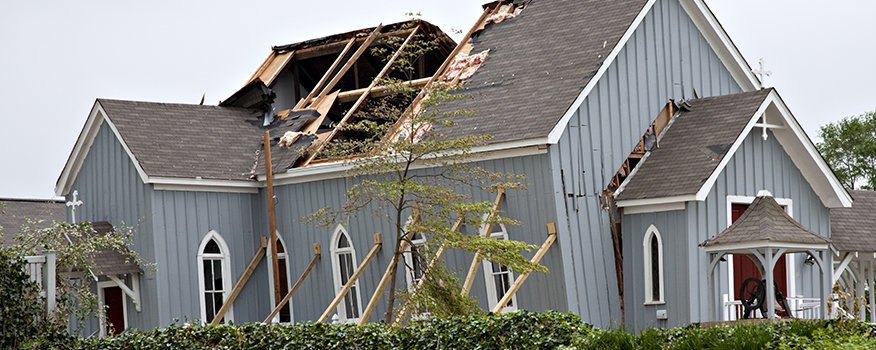
For many Wichita business owners, the roof is an out-of-sight, out-of-mind expense. As long as it’s not actively leaking, the thinking goes, it can wait. This mindset, however, is one of the most costly decisions a commercial property owner can make. In a region like Sedgwick County, where our roofs endure scorching summers, freezing winters, and frequent severe storms with wind and hail, the practice of deferring maintenance is a ticking financial time bomb.
At Solid Rock Commercial Roofing, we’ve seen this scenario play out time and again. A small, fixable issue is ignored, only to snowball into a catastrophic failure that requires an emergency, and far more expensive, response. This article is a direct challenge to the “fix-it-when-it-breaks” mentality. We will use powerful statistics and real-world scenarios to illustrate why proactive, preventative commercial roof maintenance is not an expense—it’s the single most effective investment you can make to protect your business, your budget, and your peace of mind.
The Domino Effect of Deferred Maintenance: From $500 Repair to a $50,000 Crisis
To truly understand the “real cost of neglect,” you have to look beyond the initial, small-scale issue. A minor crack or a loose piece of flashing is rarely the end of the story. It is the first domino in a chain reaction of escalating problems, each one more costly than the last.
Scenario 1: The Small Leak That Was Ignored
Imagine a commercial warehouse in Wichita. A particularly strong thunderstorm with wind-driven rain reveals a small water stain on the ceiling near a rooftop HVAC unit. The stain is minor, and the business owner decides it’s not a priority. A week later, the leak is forgotten.
- The Initial Problem (Neglected Repair): A compromised flashing seal around an HVAC penetration, a repair that likely would have cost between $500 and $1,500 for a certified professional to re-seal and reinforce.
- The Second Domino (Water Infiltration): Over the next several months, small amounts of water continue to leak, especially after heavy rains. The water saturates the roof’s insulation. Wet insulation loses its R-value, becoming a sponge instead of a barrier. This leads to a thermal bridge, causing the HVAC system to work harder and increasing energy bills.
- The Third Domino (Interior Damage & Mold): The water eventually breaches the vapor barrier and damages the ceiling tiles and interior drywall. Worse yet, it creates a perfect environment for mold and mildew to grow. Mold remediation in a commercial building can cost anywhere from $10 to $30 per square foot, with the average commercial remediation project costing $3,500 to $9,000, and larger jobs exceeding $30,000.
- The Final Domino (Catastrophic Failure): The continued water exposure rots the underlying roof deck, compromising the building’s structural integrity. When the next major storm hits, the weakened area gives way, leading to a massive collapse, widespread interior flooding, and a complete shutdown of business operations. The original $1,000 repair has spiraled into a crisis costing tens of thousands of dollars, not including the value of lost business.
This is not a hypothetical worst-case scenario; it’s a common and tragic reality we witness too often in Wichita.
The Numbers Don’t Lie: Proactive Maintenance vs. Reactive Repairs
Statistical data from across the roofing industry paints a stark and undeniable picture of the financial wisdom of proactive maintenance for your commercial roof.
- Lifespan Extension: According to the National Roofing Contractors Association (NRCA), a commercial roof that undergoes regular maintenance can see its lifespan extended by as much as 50%. For a roof with an expected life of 20 years, this translates to an additional 10 years of service, deferring a major capital expense.
- Cost Savings: The same data suggests that for every $1 spent on preventative maintenance, building owners save an average of $4 in repairs. The cost of a proactive maintenance plan is a fraction of the cost of emergency repairs and premature replacement. According to one study, roofs under a reactive maintenance plan cost an average of $0.25/sq ft annually and have an average lifespan of 13 years, while roofs with a proactive plan cost $0.14/sq ft annually and last for 21 years. (Source: Roofing Contractor, via Simon Roofing)
- Premature Replacement: The unfortunate reality is that 80% of commercial roofs are replaced prematurely due to inadequate or nonexistent maintenance. This means businesses are throwing away tens of thousands of dollars by not getting the full lifespan out of their initial investment.
Let’s illustrate this with a hypothetical 20,000 sq ft commercial building in Wichita. A full TPO roof replacement might cost between $240,000 and $300,000 (assuming $12-$15 per sq ft).
- Scenario A (No Maintenance): The roof lasts 15 years, requiring numerous emergency repairs totaling around $50,000 over its life. Total cost over 30 years (one replacement + repairs): $530,000 – $675,000.
- Scenario B (With Proactive Maintenance): The roof lasts 25 years. The annual maintenance costs are about $5,000-$8,000 for a professional plan. Controlled repairs over this time total around $25,000. Total cost over 30 years (repairs + maintenance): $325,000 – $440,000.
By simply implementing a regular maintenance program, the business owner in Scenario B saved over $200,000 over the same 30-year period.
The Business Interruption and Insurance Nightmare
The financial hit of neglect extends far beyond the repair bill. A catastrophic roof failure can bring your business to a grinding halt, leading to lost revenue and reputational damage.
- Business Interruption: A major leak can force you to close a section of your facility or even the entire business temporarily. This results in lost sales, decreased productivity, and payroll for non-working employees. Business interruption insurance may help, but it typically requires the damage to be from a “covered peril” (e.g., a sudden storm, not gradual neglect).
- Voided Warranties: Many commercial roofing warranties—especially NDL (No Dollar Limit) warranties—explicitly require proof of regular, professional maintenance. Failure to maintain your roof voids the warranty, leaving you completely on the hook for the entire cost of repairs or replacement, no matter the cause.
Your Proactive Maintenance To-Do List: A Checklist for Wichita Businesses
Taking control of your commercial roof’s health starts with a commitment to proactive care. This checklist outlines the essential tasks that should be performed regularly.
Daily/Weekly To-Do’s:
- Clear Rooftop Debris: After windy days, perform a quick visual check from the ground for any large debris (branches, trash, etc.) that could be on the roof.
- Monitor for Ponding: After heavy rain, observe your roof for any areas where water is pooling. If water remains after 48 hours, it’s a sign of a drainage issue that requires immediate attention.
Semi-Annual To-Do’s (Crucial Professional Inspections):
- Schedule a Professional Inspection: Book a comprehensive roof inspection with Solid Rock Commercial Roofing at least twice a year—once in the spring (to assess winter damage and prepare for summer storms) and once in the fall (to address summer heat stress and prepare for winter).
- Full Surface Assessment: Our inspectors will check the entire roof surface for punctures, tears, blisters, membrane deterioration, and excessive granule loss.
- Drainage System Check: We will clear all drains, scuppers, and gutters of debris and verify that water is flowing freely.
- Flashings and Penetrations: Meticulously inspect all flashing around vents, skylights, pipes, and HVAC units for cracks, loose seams, or signs of separation.
- Seam Integrity: Examine the integrity of all seams, as these are primary points of failure from thermal stress and wind uplift.
- Rooftop Equipment Check: Ensure all rooftop units are secure and that their seals and mounting systems are intact.
- Interior Scan: Look for any new water stains, mold, or structural deflection on the interior ceilings and walls.
Post-Storm To-Do’s (After Any Severe Weather Event):
- Conduct a Safe, Ground-Level Inspection: Once the weather has cleared, safely check your building’s exterior from the ground for any visible damage.
- DO NOT Climb the Roof: Do not attempt to inspect a storm-damaged roof yourself.
- Contact Solid Rock Commercial Roofing: Immediately call us to schedule a post-storm inspection, even if no damage is immediately visible. Hail and wind damage are often hidden and can cause leaks weeks or months later.
FAQs: The Truth About Commercial Roof Maintenance
How much does a preventative maintenance plan cost compared to a new roof?
A new commercial roof in Wichita can cost anywhere from $10,000 to over $300,000, depending on size and material. A professional maintenance plan for the same roof typically costs just a few thousand dollars per year, a fraction of the cost of replacement. This small annual investment is your best insurance against a much larger, unexpected bill.
Will my insurance pay for repairs if I haven’t done any maintenance?
It’s highly unlikely. Most commercial property insurance policies have a clause that excludes coverage for damage resulting from “gradual deterioration, poor maintenance, or normal wear and tear.” Insurance is for sudden, unforeseen events, not for issues that could have been prevented with due care.
Can I handle the maintenance myself or with my own staff?
While a visual check for debris is helpful, a comprehensive inspection requires a trained professional with the right equipment and safety gear. An untrained eye will miss subtle signs of damage like hail bruising or a lifting seam. Furthermore, improperly performed “repairs” can void your warranty and lead to further damage.
How long does a typical commercial roof last with proper maintenance?
Lifespan varies by material, but a well-maintained roof will last significantly longer. For example, a TPO roof that might only last 15-20 years without maintenance could easily last 25-30 years with a proactive plan. A metal roof’s lifespan can be extended to 40-60 years or more.
Conclusion: Don’t Defer, Invest
The evidence is clear: for commercial property owners in Wichita, deferring roof maintenance is a false economy. The temptation to save a few hundred or a few thousand dollars today will almost certainly lead to a much larger, more disruptive, and more stressful expense tomorrow. The real cost of neglect is not just the repair bill; it’s the lost business, the voided warranty, the ruined inventory, and the mold remediation.
At Solid Rock Commercial Roofing, our mission is to provide Wichita businesses with the peace of mind that comes from a secure, well-maintained roof. Don’t let a small issue become a major crisis. Contact us today for a professional inspection and start your journey toward a proactive, cost-saving, and secure future for your business.