A commercial roof is a big investment. It protects your building, your team, and everything inside. Because it’s so important, most new roofs come with a warranty. A warranty is a written promise that certain problems will be fixed if they happen.
But many building owners are surprised when something breaks — and it’s not covered. Why? Because they didn’t fully understand their warranty.
At Solid Rock Commercial Roofing, we want to help you avoid those surprises. This article explains what most commercial roofing warranties cover, what they don’t, and how to keep your roof protected.
Key Takeaways
- Not All Warranties Are the Same
Commercial roofing warranties vary by type — material-only, workmanship, or system (NDL). Each covers different risks, so understanding which one you have is essential. - Know What’s Covered — and What Isn’t
Warranties often cover factory defects and installation errors (depending on the type) but usually exclude storm damage, foot traffic, poor maintenance, and unauthorized repairs. - Fine Print Matters
Pay attention to terms like “pro-rated,” “full coverage,” “NDL,” and “transferable.” Watch for vague language that could limit your ability to file a claim. - You Have Responsibilities
Warranties require you to keep up with inspections, maintenance, and documentation. Failing to do so can void your warranty. - Regular Maintenance Is Key
Schedule semi-annual inspections and document all repairs or work done on your roof. Use certified contractors to remain in compliance. - Solid Rock Simplifies the Process
Solid Rock Commercial Roofing provides clear explanations, reliable service, and fast response times — all backed by trusted manufacturer partnerships. - Understanding Your Warranty Saves Money
Being informed about your warranty now can prevent costly mistakes and protect your roofing investment in the long run.
Why Roofing Warranties Matter
Your roof is one of the most important parts of your building. A warranty helps protect your roof — and your budget.
Here’s what a good warranty can do:
- Save you money if something goes wrong
- Help you feel confident about your roof
- Make your building easier to sell or rent later
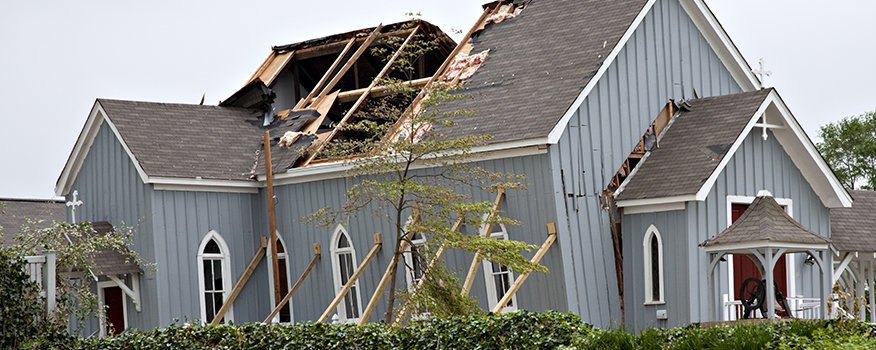
Let’s say your roof starts leaking five years after it was installed. You expect the warranty to cover the repair. But the leak was caused by hail, and hail damage isn’t included. Now you have to pay for it yourself.
This is why it’s important to read and understand your warranty before problems happen.
Types of Roofing Warranties
There are three common types of commercial roofing warranties. Each one covers different things:
1. Manufacturer’s Material Warranty
This warranty comes from the company that made the roofing materials. It promises that the products won’t fall apart too soon.
Covers:
- Problems with roofing materials caused by factory mistakes
Doesn’t cover:
- Poor installation
- Damage from weather or people walking on the roof
Length: Usually 10 to 30 years
2. Workmanship Warranty
This warranty comes from the company that installed your roof. It covers mistakes made during the roofing job.
Covers:
- Leaks and problems caused by poor installation
Doesn’t cover:
- Material defects
- Storm or foot traffic damage
Length: Usually 1 to 10 years
3. System or No Dollar Limit (NDL) Warranty
This is the most complete type of warranty. It covers both materials and installation. If something goes wrong and it’s covered, the repair costs are fully paid — no limits.
Covers:
- Full roof system problems caused by faulty materials or installation
Doesn’t cover:
- Storm damage, poor maintenance, or unapproved repairs
Requires:
- Regular inspections
- Certified contractors for all repairs
What’s Covered and What’s Not
Knowing what is — and isn’t — included in your warranty can save you a lot of trouble.
Usually Covered
- Roofing materials with factory defects
- Leaks from bad installation (with a workmanship warranty)
- Repairs by certified contractors using approved parts
Not Covered
- Hail, wind, or other storm damage
- Damage from foot traffic or other workers
- Problems caused by poor cleaning or skipped inspections
- Repairs by non-certified contractors
- Standing water (ponding) due to roof design issues
Example: If someone installs an antenna and rips your roof, and they weren’t approved by the manufacturer, your warranty likely won’t cover the damage.
Need help tracking roof care? Use our guide on commercial roof maintenance records.
How to Understand the Warranty Paperwork
Warranties often use legal language that can be hard to read. But it’s important to understand what’s in them. Here’s what to look for:
- Pro-rated vs. Full Coverage: Pro-rated means the warranty pays less as time passes. Full coverage pays the same throughout the warranty.
- NDL vs. Limited: NDL pays for full repairs. Limited may only cover part of the cost.
- Transferable: Can the warranty be passed to a new owner if you sell the building?
- Maintenance Requirements: Does the warranty require inspections or specific cleaning?
Watch out for phrases like:
- “At our discretion”
- “As determined by the manufacturer”
These can give the company the power to deny your claim.
What You Need to Do as the Building Owner
Warranties only stay valid if you follow the rules. Most warranties expect you to:
- Get inspections twice a year and after big storms
- Keep clear records of maintenance and repairs
- Fix small issues quickly before they become bigger
- Use only approved contractors for repairs
Example: If you spot a small tear and wait months to fix it, your warranty may not cover the damage — because the delay made it worse.
Want tips on tracking roof care? Check out our roof maintenance documentation guide.
Why Solid Rock Does Warranties Better
At Solid Rock Commercial Roofing, we believe in making things clear. Before we start work, we explain your warranty and answer your questions.
We:
- Break down warranty terms in plain English
- Use trusted, approved materials and installers
- Help you plan inspections and track service
- Handle issues quickly and locally
We’re not a big national chain — we’re your local commercial roofing contractor in Wichita, and we’re here when you need us.
Protecting Your Roof — Before and After
Here’s how to take care of your warranty at every step.
Before Installation:
- Read the warranty
- Ask questions if you’re unsure about anything
- Understand what’s expected from you
After Installation:
- Keep a copy of the warranty
- Schedule regular inspections
- Take photos of any work done
- Only hire certified repair crews
Explore our commercial roofing services page to see how we help commercial buildings like yours.
Conclusion
A commercial roofing warranty is more than a piece of paper — it’s protection for your roof and your wallet. But it only works if you know how to use it.
Take time to understand what your warranty covers, what it doesn’t, and what you need to do to keep it valid. The better informed you are, the more value you’ll get from your roof investment.
Call Solid Rock Commercial Roofing at (316) 227-2628 or contact us online to schedule your free consultation. We’ll help you understand your warranty, take care of your roof, and make sure your building stays protected for years to come.
What is a commercial roofing warranty?
A commercial roofing warranty is a written promise from a manufacturer, contractor, or both that outlines what problems they will fix if the roof fails within a certain time frame. It helps protect your roofing investment by covering specific types of damage or defects.
What are the main types of roofing warranties?
There are three main types:
- Manufacturer’s Material Warranty: Covers defects in roofing materials.
- Workmanship Warranty: Covers installation errors.
- System or No Dollar Limit (NDL) Warranty: Covers both materials and installation, often with no repair cost limits.
What does a roofing warranty typically cover?
Most warranties cover:
- Repairs done by approved contractors
- Defective roofing materials (if from manufacturing issues)
- Leaks caused by improper installation (with a workmanship warranty)
What is not covered under most roofing warranties?
Common exclusions include:
Ponding water caused by poor roof design
Storm damage (hail, wind, tornadoes)
Foot traffic damage from HVAC or maintenance work
Improper maintenance or neglect
Unauthorized repairs
How long do commercial roofing warranties usually last?
- Material warranties: 10 to 30 years
- Workmanship warranties: 1 to 10 years
- System/NDL warranties: Depends on manufacturer and installer, but often 15 to 30 years with proper upkeep
Do I have to maintain the roof for the warranty to stay valid?
Yes. Most warranties require:
Use of certified contractors
Regular inspections (often twice a year)
Prompt repair of small issues
Maintenance records
Can I transfer my roofing warranty if I sell my building?
Some warranties are transferable to new owners, but not all. Always check your specific warranty for its transfer policy and whether any paperwork or fees are required.
What does ‘No Dollar Limit (NDL)’ mean in a warranty?
An NDL warranty means the manufacturer will pay the full cost to repair or replace a covered problem — no matter how much it costs — as long as the terms are met.
What should I do if I have a leak or issue?
- Check your warranty documents to see if the issue is covered.
- Contact your roofing contractor or warranty provider immediately.
- Avoid making repairs with unauthorized contractors — it could void your warranty.
- Take photos and notes as documentation.
How can Solid Rock Commercial Roofing help with warranties?
Solid Rock explains warranty terms clearly before starting any project. We help you:
- Work with approved manufacturers and materials
- Choose the right warranty
- Stay on track with inspections and maintenance
- Respond quickly if issues come up
This article is a collaboration between Solid Rock Corporation and OpenAI’s ChatGPT. Created on January 19, 2026, it combines easy-to-read information with Solid Rock’s expert oversight to ensure accuracy and relevance.