Most commercial roof problems don’t begin with water pouring through the ceiling or business operations grinding to a halt. They usually start quietly. A stain appears after a heavy rain. A repair is needed sooner than expected. A roof that once held up well now seems to need attention more often.
For commercial building owners and facility managers, these early signs are easy to explain away. Repairs feel responsible. They cost less than replacement, they are easier to approve, and they allow daily operations to continue without disruption. For many years, this approach works.
The challenge is that every commercial roof reaches a point where repairs stop solving the real problem. That moment is not always clear, and it rarely arrives all at once.
This article explains how commercial roofs wear out over time, why repeated repairs can slowly increase risk, and how to recognize when repairs may no longer be the best option. The goal is not to push replacement, but to help you make informed decisions before damage and urgency take control.
Key Takeaways
- Commercial roofs usually wear out slowly, not all at once. By the time leaks are easy to see inside a building, the roof system may already be weakened.
- Roof repairs often make sense at first, but repeated repairs over time can signal that the roof is no longer performing as a complete system.
- When repairs are needed more often, last for shorter periods, or show up in different areas, it may be time to re-evaluate whether repairs are still the right solution.
- Moisture trapped below the roof surface is one of the biggest warning signs. Wet insulation reduces energy efficiency and speeds up roof damage.
- Rising heating or cooling costs can sometimes point to roof problems, even when equipment appears to be working properly.
- Repairs can still be a good option when damage is limited, the roof is relatively young, and there is no trapped moisture.
- Waiting too long to act increases the risk of interior damage, business interruptions, and emergency roofing work done under pressure.
- Timing matters. Addressing roof issues early keeps more options available and allows for better planning and budgeting.
- A professional roof evaluation provides clear information about the roof’s condition and helps owners make decisions based on facts rather than guesswork.
- Asking whether a roof can still be repaired is often a sign that it’s time to get answers before the decision becomes urgent.
How Commercial Roofs Wear Out Over Time
Commercial roofs are built for long service lives. They are designed to handle sun, wind, rain, snow, and constant temperature changes year after year. Because of this, they rarely fail all at once.
[High Confidence] Research on building systems shows that most commercial roofs lose performance gradually. Materials dry out. Seams weaken. Insulation absorbs moisture. These changes usually happen over many years and often out of sight.
This slow decline makes roof decisions difficult. A roof can look fine from the ground or from inside the building while its ability to protect the structure is already slipping.
Hypothetical example:
A warehouse experiences a small leak once a year. Each time, the leak is repaired and operations continue. From the owner’s perspective, the roof is still doing its job. What cannot be seen is moisture spreading through the insulation layer, lowering its ability to block heat and cold. The roof has not failed, but it is no longer performing as it once did.
By the time leaks become frequent or interior damage becomes visible, the roof system is often much weaker than most owners expect.
Why Repairs Often Feel Like the Right Decision
Roof repairs usually make sense in the early years of a roof’s life. They cost less than replacement and are easier to fit into a maintenance budget. Many owners believe that if a roof can be repaired, replacing it should be avoided.
[Synthesis] The issue is that repairs are approved one at a time, while roof damage builds across the entire system.
Each repair fixes a specific problem, but it does not restore the roof to its original condition. Over time, repairs become more frequent. What once felt like routine maintenance starts to feel like constant attention.
Hypothetical example:
An office building approves a small roof repair every year. None of the invoices seem concerning by themselves. After several years, the total cost adds up, yet the roof still causes worry. The building has not gained reliability—only ongoing uncertainty.
There are also indirect costs. Maintenance teams spend more time responding to leaks. Tenants worry about water damage. Owners begin watching weather forecasts more closely than they should have to.
At this stage, the roof is no longer just part of the building. It has become a source of stress.
Early Signs That Repairs May Be Reaching Their Limit
Most building owners wait for a clear signal that repairs are no longer enough. That signal rarely appears as a single event. Instead, it shows up as a pattern.
One common sign is repair frequency. When fixes that once lasted years now last only months, it often means the roof system is wearing out overall.
Another sign is the location of problems. A leak tied to one known area can often be repaired successfully. Leaks showing up in different, unrelated areas are more concerning and often point to wider damage.
Moisture below the surface is one of the most serious warning signs.
[High Confidence] When insulation becomes wet, it loses its ability to protect the building from heat and cold. Wet insulation also speeds up damage to other roof components.
Energy bills can offer clues as well. When heating or cooling costs rise without changes in building use or equipment, the roof may be part of the issue.
Hypothetical example:
A shopping center sees higher cooling costs during the summer. Equipment checks show no problems. A roof evaluation later finds moisture-damaged insulation that no longer blocks heat well.
On their own, these signs may not seem alarming. Together, they often signal that the roof is nearing a point where repairs should be reviewed more carefully.
When Repairs Still Make Sense
Repairs are not always the wrong choice. In many situations, they remain the best option.
Repairs tend to work well when damage is limited, the roof is still fairly young, and inspections show no trapped moisture or widespread wear. In these cases, fixing specific issues can extend the roof’s useful life and protect the building.
Problems arise when repairs continue without checking whether they still fit the roof’s current condition. A repair plan that worked several years ago may no longer provide the same value today.
[Inference] The real risk is not choosing repair over replacement. The risk is continuing repairs without confirming they still protect the building in a meaningful way.
For owners beginning to compare long-term options, learning more about commercial roof replacement can help frame today’s repairs within the full lifecycle of the roof.
What Happens When Action Is Delayed Too Long
Every roof decision exists on a timeline. Acting early preserves options. Waiting reduces them.
[High Confidence] Delayed decisions increase the chance of interior damage, business interruptions, insurance challenges, and emergency work done under pressure.
Hypothetical example:
A manufacturing facility deals with small leaks as they appear. After a strong storm, deeper damage is exposed, forcing production to stop while emergency work is completed. Costs rise, schedules are disrupted, and choices are limited.
Waiting does not keep the roof in the same condition. Small problems often spread quietly until they demand immediate attention.
How Timing Affects Available Roofing Options
Many building owners think the choice is simple: keep repairing or replace the roof. In reality, timing plays a major role in what options remain available.
[Synthesis] Some systems can stabilize aging roofs, improve energy performance, and extend service life in a planned way. These solutions depend on finding problems before damage becomes widespread.
Owners exploring roof life extension strategies should understand how commercial roof coatings may fit into the decision process.
Once moisture spreads widely or structural components are affected, fewer paths remain. Planning gives way to necessity.
Why Professional Roof Evaluations Matter
Commercial roofs are made up of many parts that work together. Looking at the surface alone does not tell the full story.
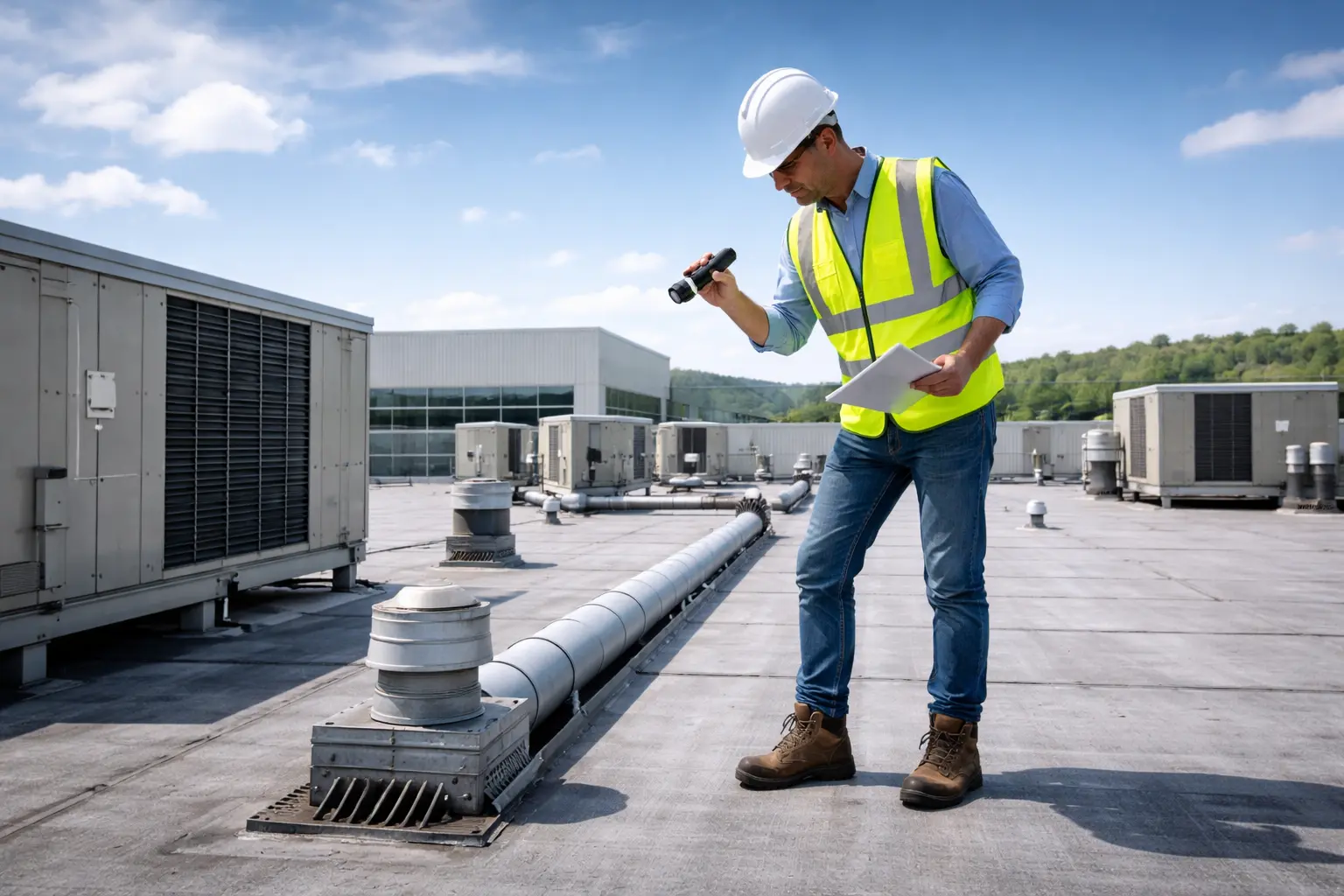
A professional evaluation looks for moisture, insulation condition, and signs of system-wide wear. This information helps owners move from guesswork to clarity.
At Solid Rock Commercial Roofing, evaluations are meant to inform, not pressure. The focus is on explaining the roof’s current condition and outlining realistic next steps based on the building’s needs.
To better understand the scope of available commercial roofing services, reviewing the full range of service options can provide helpful context.
Conclusion: Knowing When Repairs Stop Protecting Your Building
Every commercial roof reaches a point where repairs no longer solve the real problem. That moment rarely arrives with a clear warning. Instead, it shows up through patterns—repairs that fail sooner, higher energy costs, moisture that keeps spreading, and growing uncertainty about what comes next.
The challenge is not deciding whether a roof can be repaired. In many cases, it can. The harder question is whether those repairs are still protecting the building or simply delaying a larger issue.
Acting too early can feel unnecessary. Acting too late can remove options altogether. The best outcomes usually come from understanding the roof’s condition before urgency takes over. That understanding allows owners to plan, budget, and choose a path that fits the building instead of reacting under pressure.
If you are questioning whether your commercial roof is still a good candidate for repair, that question alone is reason to seek clear answers. A professional evaluation can show whether repairs still make sense, whether longer-term solutions are available, or whether it’s time to begin planning for the next stage of the roof’s life.
???? Schedule a professional commercial roof evaluation with Solid Rock Commercial Roofing
Visit https://solidrockcorp.com/contact-us/
Or call (316) 227-2628 to set up your appointment.
Getting information now doesn’t force a decision. It gives you control before time and damage take it away.
Frequently Asked Questions (FAQs)
How do I know if my commercial roof can still be repaired?
In many cases, a roof can still be repaired. The more important question is whether those repairs are still protecting the building. If repairs are happening more often, leaks keep returning, or problems are spreading to new areas, it may be time to have the roof evaluated as a whole.
Is it cheaper to keep repairing a roof instead of replacing it?
Repairs usually cost less in the short term. Over time, repeated repairs can add up and still leave the roof unreliable. In some situations, continued repairs end up costing more than a planned long-term solution.
What is the biggest warning sign that repairs may no longer be enough?
One of the biggest warning signs is moisture trapped below the roof surface. Wet insulation reduces energy efficiency and can speed up damage across the roof system. Frequent repairs that don’t last as long as they used to are another common sign.
Can a roof look fine but still have serious problems?
Yes. Many roof issues develop below the surface and cannot be seen from the ground or inside the building. A roof can appear fine while insulation or other layers are already damaged.
How often should a commercial roof be evaluated?
There is no single schedule that fits every building. Roof evaluations are especially helpful when repairs become more frequent, after severe weather, or when owners start questioning how much longer the roof will last.
Do higher energy bills always mean there is a roof problem?
Not always, but the roof can be a factor. If heating or cooling costs rise without changes in equipment or building use, reduced roof insulation performance may be part of the issue.
Does choosing an evaluation mean I have to replace my roof?
No. An evaluation provides information, not an obligation. It helps determine whether repairs still make sense, whether other options are available, or whether planning for future work would be wise.
What happens if I wait too long to address roof issues?
Waiting can reduce available options. Small problems can spread, leading to interior damage, business interruptions, or emergency work that costs more and allows less planning.
Are repairs always a bad choice for older roofs?
Not always. Some older roofs can still be repaired if damage is limited and the system is otherwise sound. The key is understanding the roof’s actual condition rather than relying on age alone.
When should I contact a commercial roofing professional?
If you’re asking whether your roof can still be repaired, that’s a good time to reach out. Getting clear information early helps prevent rushed decisions later.
This article is a collaboration between Solid Rock Corporation and OpenAI’s ChatGPT. Created on February 11, 2026, it combines easy-to-read information with Solid Rock’s expert oversight to ensure accuracy and relevance.