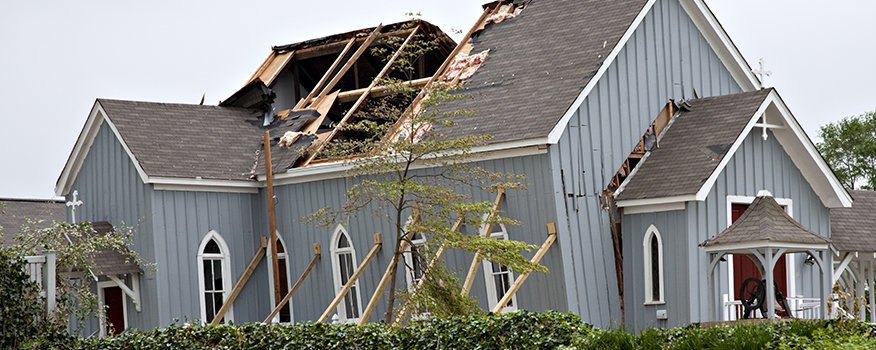
Your commercial roof does much more than cover your building. It protects your employees, customers, equipment, inventory, and the daily operations that keep your business running. Every day, it stands up to sun, wind, rain, hail, and changing temperatures. Because of this constant exposure, your roof is one of the most important investments you can make in your property.
Even with its important role, roofing is often overlooked until a leak develops or a storm causes damage. At that point, the roof becomes an urgent problem. Instead of planning the project carefully, business owners and property managers must make important decisions quickly. That often leads to unexpected expenses, rushed choices, and disruptions to normal business operations.
A better approach is to plan before problems occur. Building a commercial roofing budget allows you to prepare for future repairs and replacement instead of waiting until your roof reaches the end of its service life. Just as businesses budget for equipment, vehicles, and facility improvements, they should also budget for future roofing projects.
Planning ahead does not mean replacing a roof before it is necessary. It means understanding your roof’s current condition, knowing what work it may need in the future, and setting aside money over time. This approach helps reduce financial surprises and gives you more time to choose the right roofing solution for your building.
Whether you own a retail center, office building, warehouse, manufacturing facility, church, school, or apartment complex, a long-term roofing plan can make future decisions much easier. This article explains how to budget for future roofing projects, what affects roofing costs, and how regular roof inspections support better planning. If you are beginning commercial roof replacement planning or looking for experienced Wichita commercial roofing professionals, planning today can help protect your investment tomorrow.
Key Takeaways
- A commercial roofing budget helps businesses prepare for future roofing expenses instead of reacting to unexpected emergencies.
- Understanding the difference between maintenance, repairs, and capital improvements leads to more accurate financial planning.
- Regular roof maintenance and inspections can identify small issues before they develop into larger, more costly problems.
- Commercial roof replacement should be planned several years in advance whenever possible, not after widespread leaks occur.
- Future roofing costs are influenced by many factors, including roof size, roofing system, current condition, building accessibility, labor, material costs, and local weather.
- Professional roof inspections provide valuable information about a roof’s condition and remaining service life, helping property owners make informed budgeting decisions.
- Businesses that plan ahead have more flexibility to compare roofing options, schedule projects strategically, and coordinate work with other building improvements.
- Kansas weather—including hail, strong winds, heavy rain, and temperature swings—makes proactive roof management especially important for commercial properties.
- Working with an experienced Wichita commercial roofing contractor helps property owners develop a long-term roofing strategy based on their building’s unique needs.
- A proactive approach to roofing protects both the building and the organization’s long-term financial health.
Why Roofing Should Be Part of Your Long-Term Budget
Every commercial building has major systems that will eventually need to be repaired or replaced. Heating and cooling equipment wears out. Parking lots develop cracks. Plumbing systems age over time. Commercial roofs are no different.
Although many commercial roofing systems can last for decades, none lasts forever. Sunlight, rain, hail, high winds, temperature changes, and normal aging slowly affect every roofing system. Even a well-installed roof will eventually need repairs, restoration, or replacement.
The good news is that roofs usually give property owners time to prepare. Small leaks, worn materials, damaged flashing, or concerns found during routine inspections often appear long before the roof reaches the point of complete failure. Those early warning signs provide an opportunity to begin planning instead of waiting for an emergency.
Planning ahead makes budgeting much easier. Rather than facing one large expense in a single year, businesses can begin setting aside funds over several budget cycles. This creates a more predictable financial plan and helps reduce the impact of major capital expenses.
Planning also gives property owners more flexibility. When a roof does not need immediate replacement, there is time to compare roofing systems, review estimates, evaluate long-term value, and schedule work during a time that causes the least disruption to business operations. That flexibility often leads to better decisions because owners are not forced to choose the quickest solution simply to stop a leak.
Consider a hypothetical warehouse with a roof that has an estimated six years of service life remaining. After receiving a professional roof inspection, company leadership decides to include future replacement costs in its annual capital budget. The roof continues receiving routine maintenance while money is set aside each year. When replacement eventually becomes necessary, much of the funding has already been planned.
Now imagine another warehouse with a similar roof. The owner postpones inspections because there are no visible leaks. After a severe storm, water begins entering the building through several areas of the roof. Emergency repairs are needed while replacement plans are developed. At the same time, the business must deal with water damage, scheduling challenges, and an unexpected expense.
Both companies eventually replace their roofs. The difference is that one prepared in advance while the other had to respond under pressure.
Looking at roofing as a planned investment instead of an unexpected expense allows businesses to make decisions on their own schedule instead of reacting to emergencies.
Understanding the Difference Between Maintenance, Repairs, and Capital Improvements
One of the most common budgeting mistakes is treating every roofing expense the same. In reality, maintenance, repairs, and capital improvements each serve a different purpose. Understanding the difference makes it easier to build an accurate roofing budget and avoid surprises.
Roof Maintenance
Roof maintenance is the regular care that helps keep a commercial roof in good condition. The goal is to prevent small issues from becoming expensive problems.
A typical maintenance program may include:
- Annual roof inspections
- Cleaning drains and gutters
- Removing leaves, branches, and debris
- Checking flashing around rooftop equipment
- Resealing small openings
- Looking for signs of weather damage
- Documenting changes in the roof’s condition
Routine maintenance usually costs much less than major repairs or replacement. More importantly, it helps identify developing problems before they affect the inside of the building.
Think about maintaining a company vehicle. Regular oil changes, inspections, and tire rotations help reduce the chance of major mechanical problems. Roof maintenance follows the same idea. Small investments made throughout the year can help protect a much larger investment.
Maintenance also provides valuable information about how the roof is aging. Inspection reports create a history of the roof’s condition, making it easier to recognize changes over time and plan for future work.
If your building would benefit from ongoing inspections and preventive care, learn more about Solid Rock Commercial Roofing’s commercial roofing services:
Roof Repairs
Even well-maintained roofs occasionally need repairs. Kansas weather can be unpredictable, and commercial roofs are exposed to hail, high winds, heavy rain, and changing temperatures throughout the year. In addition, normal foot traffic, aging materials, or accidental damage can create problems that need attention.
Common repair projects include:
- Repairing roof leaks
- Replacing damaged flashing
- Repairing punctures in roofing membranes
- Fixing storm damage
- Repairing damaged seams
- Correcting small drainage issues
Addressing these repairs early helps prevent additional damage. A small leak may not seem serious at first, but over time water can damage insulation, ceiling materials, electrical systems, walls, flooring, and valuable inventory.
Repair work is a normal part of owning a commercial building. Many businesses include money in their yearly operating budget for roofing repairs because they know unexpected issues can happen even when a roof is well maintained.
While repairs help extend the life of a roof, they are not always a permanent solution. If repairs become more frequent or larger areas of the roof begin to deteriorate, it may be time to start planning for replacement.
Capital Improvements
Capital improvements involve larger roofing projects that restore or replace a significant portion of the roofing system. These projects require more planning because they involve a larger financial investment and often affect long-term capital budgets.
Examples include:
- Full roof replacement
- Partial roof replacement
- Roof restoration
- Roof coating systems
- Drainage improvements
- Insulation upgrades completed during roofing work
Some commercial roofs may qualify for restoration using a roof coating system. If the existing roof remains structurally sound, a coating may extend its service life while delaying replacement. However, not every roof is a good candidate. A professional inspection is needed to determine whether restoration or replacement is the better option.
Solid Rock Commercial Roofing offers commercial roof coating solutions that help property owners evaluate the condition of their roof and determine which solution best fits their building and long-term budget:
Understanding the differences between maintenance, repairs, and capital improvements helps property owners create realistic budgets while making informed decisions throughout the life of the roof.
What Affects Future Commercial Roofing Costs?
Many people assume the cost of a roofing project depends only on the size of the building. While square footage is an important factor, it is only one part of the picture. Several other factors affect the cost of maintaining, restoring, or replacing a commercial roof.
Understanding these factors can help you create a more accurate commercial roofing budget and avoid surprises when it is time to begin a project.
The Type of Roofing System
The type of roofing system installed on your building has a direct impact on future costs. Different roofing materials have different installation methods, maintenance needs, expected service lives, and repair requirements.
Common commercial roofing systems include:
- TPO roofing
- EPDM roofing
- Modified bitumen roofing
- Metal roofing
- Spray foam roofing
- Roofing systems protected with an elastomeric roof coating
Each system has advantages depending on the building, its use, and the owner’s long-term goals. Some systems are easier to repair, while others may offer longer service lives or better energy performance. Understanding what type of roof you have makes future planning much easier.
The Current Condition of the Roof
The condition of the existing roof often affects project costs more than its age.
For example, two buildings may both have twenty-year-old roofs. One has received regular inspections and preventive maintenance since it was installed. The other has gone years without maintenance and has experienced several leaks.
Even though both roofs are the same age, they may require very different solutions.
A roof that has been well maintained may only need localized repairs before replacement becomes necessary. Another roof could have water trapped beneath the roofing membrane, damaged insulation, deteriorated decking, or widespread storm damage that increases the scope of work.
This is one reason professional inspections are so valuable. They help identify the roof’s actual condition instead of relying only on its age.
Roof Size
Larger roofs naturally require more materials, labor, and installation time than smaller roofs.
However, roof size does not always determine the final cost by itself. A large warehouse with an open roof may actually be less complicated than a smaller office building with numerous rooftop units, skylights, and penetrations that require additional detail work.
Every roof has its own design and challenges.
Building Accessibility
The building itself also affects how roofing work is completed.
Several factors can influence project planning, including:
- Building height
- Limited access for equipment
- Rooftop HVAC systems
- Solar panels
- Safety requirements
- Occupied workspaces below the roof
These conditions may affect labor, scheduling, and project logistics.
Material and Labor Costs
Roofing prices can change over time. Material costs may increase because of manufacturing expenses, transportation costs, or supply chain changes. Labor costs may also change as market conditions shift.
Businesses that begin commercial roof replacement planning several years before replacement is expected have more time to adjust their budgets if market conditions change. Instead of reacting to price increases, they can plan for them.
Kansas Weather
Weather is one of the biggest factors affecting commercial roofs throughout Kansas.
Buildings in Wichita regularly experience:
- Hailstorms
- High winds
- Heavy rain
- Hot summer temperatures
- Freezing winter weather
- Rapid temperature changes
Over time, these conditions slowly wear down roofing materials. Some years may bring only minor weather-related repairs, while other years may include severe storms that require immediate attention.
Because every building is different, there is no standard price for a future roofing project. A professional inspection provides the information needed to build a realistic budget based on the actual condition of your roof.
Why Waiting Until an Emergency Can Cost More
It is easy to postpone roofing projects when everything appears to be working properly. Most business owners have many responsibilities competing for their attention, and roofing often moves lower on the priority list until a leak becomes impossible to ignore.
Unfortunately, roofing emergencies rarely affect only the roof.
Water entering a building can create problems throughout the property. Ceiling tiles may become stained or damaged. Insulation can become wet. Walls and flooring may require repairs. Water may also affect electrical equipment, office furniture, inventory, or manufacturing equipment.
Business operations may also be interrupted.
Employees may need to move away from leaking areas. Customers or tenants may experience disruptions. Temporary repairs may be necessary while permanent work is scheduled. These additional challenges often create costs that go beyond the roofing project itself.
Imagine two office buildings with similar roofing systems.
The first building receives professional roof inspections every year. During one inspection, the contractor determines the roof will likely need replacement within five years. The owner begins setting aside money while continuing regular maintenance.
The second building skips inspections because there are no visible problems. After a severe hailstorm, several leaks appear throughout the building. Emergency repairs are needed immediately while replacement plans are being developed.
In both situations, the buildings eventually receive new roofs.
The difference is that the first owner had time to compare roofing systems, request estimates, choose a convenient installation schedule, and prepare financially. The second owner had fewer options because the project became urgent.
Planning ahead does not remove roofing costs. It simply gives businesses more control over when those costs occur and how they fit into future budgets.
How Roof Inspections Support Better Budgeting
The best roofing budgets begin with accurate information.
Some property owners assume the age of a roof tells them everything they need to know. While age provides useful information, it does not tell the complete story. Two roofs installed during the same year can perform very differently depending on weather exposure, maintenance history, drainage, installation quality, and previous repairs.
That is why professional roof inspections are an important part of long-term planning.
During a commercial roof inspection, a roofing professional evaluates many parts of the roofing system, including:
- Roofing materials
- Flashing
- Roof penetrations
- Drainage systems
- Areas showing wear
- Previous repair locations
- Signs of moisture intrusion
- Overall roof condition
The purpose of the inspection is not simply to decide whether replacement is needed today. Instead, the inspection provides information that helps property owners understand how the roof is performing and what work may be needed in the future.
For example, imagine an office building with a sixteen-year-old roof. Based only on its age, the owner assumes replacement should begin immediately. After a professional inspection, however, the roofing contractor determines the roof remains in good condition. Only a few minor repairs and routine maintenance are recommended.
Instead of replacing the roof immediately, the owner develops a five-year replacement plan while continuing regular maintenance. This approach spreads future costs over several budget cycles and allows the business to prepare well in advance.
Another building with a younger roof may receive very different recommendations because it has experienced repeated hail damage or years of standing water. Although the roof is newer, replacement planning may need to begin sooner.
Every commercial roof has its own history.
A professional inspection replaces guesswork with reliable information. That allows business owners, facility managers, and property managers to make informed decisions based on the roof’s actual condition rather than assumptions.
The inspection also creates a record of the roof’s condition over time. When inspections are completed every year, property owners can compare reports and monitor how the roof is aging. This information becomes increasingly valuable as the roof approaches the later years of its service life.
Building a Long-Term Roofing Strategy
Creating a long-term roofing strategy does not have to be complicated. In fact, a few simple habits can make future roofing decisions much easier and help prevent unexpected expenses.
The first step is keeping good records. Every commercial roof should have a file that includes the installation date, roofing system, warranty information, inspection reports, repair history, and any maintenance that has been completed. Having this information in one place makes it easier to understand the roof’s history and estimate what work may be needed in the future.
If your business owns or manages multiple properties, keeping consistent records for each building is even more important. A roof inventory allows property managers to compare conditions across different buildings and prioritize projects based on need rather than reacting to the latest leak.
The next step is scheduling regular roof inspections. Most commercial roofs benefit from a professional inspection at least once each year. Additional inspections after major hailstorms, windstorms, or other severe weather events can identify damage that may not be visible from the ground.
Annual inspections also help establish a timeline of the roof’s condition. Instead of seeing only a snapshot of the roof each year, you can compare reports and identify gradual changes. Small issues can often be addressed before they develop into larger and more expensive problems.
As inspection reports are completed, review your roofing budget each year. Roof conditions change over time, and your budget should reflect those changes. A building that only needed routine maintenance this year may require more repairs in the next few years. Another roof may continue performing well and need only preventive maintenance for several more years.
Reviewing your budget annually helps you adjust your financial plans without being caught off guard.
It is also helpful to coordinate roofing projects with other building improvements whenever possible. If rooftop HVAC equipment is scheduled for replacement, or insulation upgrades are already planned, completing the roofing work during the same time may reduce disruptions and improve project coordination.
When the time comes to replace your roof, selecting an experienced commercial roofing contractor is an important part of the planning process. A contractor who understands commercial roofing systems can explain your options, answer your questions, and help you choose a solution that fits your building and your long-term budget.
If your roof is approaching the end of its service life, learn more about Solid Rock Commercial Roofing’s commercial roof replacement services:
Starting the planning process early gives you more time to compare options, prepare your budget, and schedule the work when it is most convenient for your business.
Why Local Experience Matters
Commercial roofs in Kansas face weather conditions that are different from those in many other parts of the country. Strong winds, hailstorms, heavy rain, hot summers, freezing winters, and rapid temperature changes all affect how roofing systems perform over time.
A contractor with experience in Wichita commercial roofing understands these local conditions and how they affect different roofing materials. That knowledge helps property owners make decisions based on the needs of their building instead of relying on general estimates.
Local experience also means understanding the types of commercial buildings found throughout Wichita and the surrounding communities. Warehouses, office buildings, retail centers, schools, churches, healthcare facilities, and manufacturing plants all have different roofing needs. The size of the building, the roof design, rooftop equipment, drainage, and daily use all influence the type of maintenance and planning that may be needed.
Every roof is different.
Two buildings with the same roofing system may require different recommendations because of differences in age, maintenance history, storm exposure, or previous repairs. That is why professional inspections are so important. They provide recommendations based on the actual condition of the roof instead of relying on averages or assumptions.
Working with a local commercial roofing contractor also makes communication easier throughout the life of the roof. Regular inspections, maintenance visits, and follow-up evaluations help build a complete picture of how the roof is performing year after year.
Over time, that information becomes a valuable resource when planning repairs, budgeting for replacement, or deciding whether restoration may be an option.
A trusted roofing partner does more than install or repair a roof. They help you understand the condition of one of your property’s most valuable assets so you can make informed decisions with confidence.
Conclusion
Planning for future roofing projects is one of the smartest ways to protect both your building and your budget. Instead of waiting for leaks or storm damage to force major decisions, you can take practical steps today that make future roofing projects easier to manage.
A strong commercial roofing budget begins with understanding your roof’s current condition. Regular inspections provide valuable information about how the roof is performing, while routine maintenance helps address small problems before they become larger ones. As the roof ages, inspection reports make commercial roof replacement planning much easier by giving you time to prepare financially and schedule work before an emergency develops.
Every commercial property has different needs. The age of the roof, the roofing system, weather exposure, maintenance history, and previous repairs all influence the best path forward. Rather than relying on guesswork, business owners and property managers benefit from making decisions based on professional evaluations and long-term planning.
Taking a proactive approach also gives you more flexibility. You have time to compare roofing systems, review estimates, evaluate restoration and replacement options, and coordinate projects with other building improvements. That leads to better decisions and fewer surprises when major roofing work becomes necessary.
If you’re planning next year’s budget or evaluating your property’s future roofing needs, Solid Rock Commercial Roofing is ready to help. Our team can inspect your roof, explain its current condition, estimate its remaining service life, and help you develop a practical plan for future maintenance, repairs, or replacement.
Request your free estimate today by visiting https://solidrockcorp.com/contact-us/ or call Solid Rock Commercial Roofing at (316) 227-2628 to schedule your appointment.
Frequently Asked Questions
How often should a commercial roof be inspected?
Most commercial roofs should be professionally inspected at least once a year and after major weather events such as hailstorms or high winds. Regular inspections help identify developing problems early and provide useful information for future budgeting and maintenance planning.
Is roof maintenance really necessary if my roof isn’t leaking?
Yes. Many roofing problems develop long before a leak becomes visible inside the building. Routine maintenance can identify worn materials, drainage issues, and minor damage before they lead to more expensive repairs or premature roof replacement.
What’s the difference between a roof repair and a roof replacement?
A roof repair addresses isolated problems, such as a leak, damaged flashing, or a punctured membrane. Roof replacement involves installing a new roofing system when the existing roof has reached the end of its useful service life or can no longer be repaired economically.
How far in advance should I begin commercial roof replacement planning?
Many property owners begin commercial roof replacement planning three to five years before the roof is expected to reach the end of its service life. This allows time for inspections, budgeting, evaluating roofing options, and scheduling the project without unnecessary urgency.
What factors affect the cost of a commercial roofing project?
Project costs depend on several factors, including the size of the roof, roofing system type, existing roof condition, building accessibility, insulation requirements, local labor costs, material prices, and project complexity.
Can a roof coating extend the life of my commercial roof?
In some cases, yes. A roof coating system may extend the service life of an eligible commercial roof if the existing roofing system is still structurally sound. Because not every roof qualifies, a professional inspection is needed before deciding whether restoration or replacement is the better option.
Should roofing be included in my company’s capital improvement plan?
For many commercial properties, yes. Roofing is one of the largest building assets and should be considered during long-term capital planning. Including future roofing expenses in your capital improvement plan can help reduce financial surprises and improve budgeting accuracy.
Why is local roofing experience important?
Local contractors understand how regional weather affects commercial roofing systems. For businesses in Kansas, working with a contractor experienced in Wichita commercial roofing provides valuable insight into how hail, high winds, temperature changes, and seasonal weather can influence roof performance and long-term planning.
This article is a collaboration between Solid Rock Corporation and OpenAI’s ChatGPT. Created on July 27, 2026, it combines easy-to-read information with Solid Rock’s expert oversight to ensure accuracy and relevance.
Recommended Reading
1. Roof Maintenance and Repair
National Roofing Contractors Association (NRCA)
Regular maintenance is one of the most effective ways to maximize a commercial roof’s service life. This NRCA resource explains why scheduled inspections, preventive maintenance, and timely repairs should be part of every building owner’s long-term asset management strategy.
Link: https://nrca.net/consumer/roof-maintenance
2. Building Envelope – Roof Systems
Whole Building Design Guide (National Institute of Building Sciences)
This comprehensive resource explains how commercial roof systems function as part of the overall building envelope. It discusses design considerations, durability, maintenance, lifecycle performance, and the relationship between roofing and building performance, making it valuable for facility managers and capital planners.
Link: https://www.wbdg.org/building-envelope-design-guide/roofing-systems
3. Commercial Building Energy Saver
U.S. Department of Energy
Although focused on energy efficiency, this Department of Energy resource provides valuable information about commercial building systems, including roofing considerations that can influence lifecycle costs, energy performance, and long-term capital planning. It offers useful context for property owners evaluating future roofing investments.
Link: https://www.energy.gov/eere/buildings/commercial-buildings-integration