Severe weather is part of life in Kansas. During the spring and summer, Wichita often experiences strong thunderstorms, high winds, heavy rain, and hail. After a storm moves through, many commercial property owners and facility managers take a quick look around their building. If they don’t see roof debris, water stains, or other obvious problems, it’s easy to assume everything is fine.
That quick check is a good first step, but it doesn’t tell the whole story.
Many storm-related roofing problems are difficult to see from the ground. Some changes are so small that they don’t cause trouble right away. Over time, those small changes can grow into larger issues that cost more money and interrupt business operations.
This is why professional roof documentation is so useful. A roof inspection after severe weather is about more than finding damage. It also creates a written record of your roof’s condition. If the roof is in good shape, the inspection confirms that. If small concerns are found, they can be monitored or repaired before they become larger problems.
Good records also help you understand how your roof changes over the years. Instead of guessing when a problem first appeared, you’ll have reports and photographs that show what your roof looked like after different weather events.
Working with an experienced Wichita commercial roofing contractor helps make sure your roof is inspected carefully and that every inspection is documented clearly. Those records can help you make informed maintenance decisions and protect your investment for years to come.
Key Takeaways
- Severe weather doesn’t always leave visible signs of roof damage. Small issues can develop over time before they become noticeable.
- A professional roof inspection creates a documented record of your roof’s condition, even if no damage is found.
- Inspection reports and photographs establish a baseline that makes it easier to compare future inspections.
- Organized roof documentation helps property owners and facility managers make informed maintenance and budgeting decisions.
- Keeping inspection reports, maintenance logs, repair records, and photographs together creates a valuable roof history.
- Regular inspections after major weather events and as part of a preventive maintenance plan can help identify developing concerns early.
- Accurate documentation provides continuity when facility managers, maintenance personnel, or building ownership changes.
- Investing in proper documentation today can simplify future maintenance planning and help protect your commercial roofing investment.
Why Storm Damage Isn’t Always Easy to See
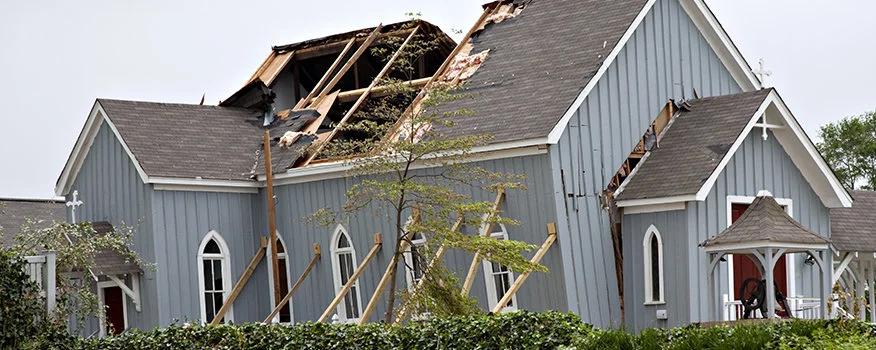
Many people expect storm damage to be easy to spot. Missing roofing materials, broken equipment, or water dripping from the ceiling are clear warning signs. While those problems certainly need immediate attention, they are not the only types of damage severe weather can cause.
Commercial roofing systems are made up of many different parts. The roofing membrane, flashing, drains, seams, insulation, edge metal, and rooftop equipment all work together to keep water out of the building. During a storm, each of these parts can react differently to wind, rain, hail, or sudden temperature changes.
For example, strong winds may loosen flashing without pulling it away from the roof. Heavy rain may expose a drainage issue that disappears once the water drains away. A roof seam may begin to separate slightly while still keeping water out. These are the kinds of problems that often go unnoticed until they become more serious.
Water can also travel beneath roofing materials before it becomes visible inside the building. As a result, a ceiling leak may appear several feet away from the area where water first entered the roofing system. This can make it difficult to identify the source of the problem without a professional inspection.
Every roof also responds differently to severe weather. A newer roofing system may come through a storm with little change, while an older roof on the building next door may show early signs of wear. Roof age, design, maintenance history, and the type of roofing system all play a role in how well a roof performs during severe weather.
Because every commercial roof is different, each building deserves its own inspection after a major storm.
Why Documentation Matters Even When No Damage Is Found
Many property owners believe an inspection is only worthwhile if it finds damage. In reality, a report confirming that your roof is in good condition can be just as valuable.
Think about your annual physical. Even if you’re healthy, your doctor records your blood pressure, weight, and other measurements. Those records create a baseline that makes it easier to notice changes during future visits.
Roof documentation works in much the same way.
When a professional inspects your roof, they record what they observe that day. They note the condition of the roofing system, take photographs, and identify any areas that should be monitored over time. If everything looks good, the inspection creates a reliable record of your roof’s condition after the storm.
These records become even more useful over time.
Imagine another severe storm hits Wichita next year. During the next inspection, a contractor notices that one section of flashing has shifted slightly. If you have inspection reports and photographs from the previous year, it’s easier to determine whether that condition is new or whether it existed before.
Without documentation, those answers are much harder to find.
Roof documentation also helps when responsibilities change. Facility managers retire, maintenance staff move to new positions, and commercial properties change ownership. Well-organized inspection reports stay with the building, giving the next owner or manager a clear understanding of the roof’s history.
That information helps everyone make better decisions about maintenance, repairs, and future budgeting.
What Should Be Included in Roof Documentation?
A quality inspection report should do more than simply state whether damage was found. It should give property owners a clear picture of the roof’s current condition.
Most professional reports begin with a written summary. This section explains which areas were inspected, what was observed, and whether any maintenance or repairs are recommended. Even when no storm-related damage is found, the report creates an important record that can be referenced later.
Photographs are another key part of roof documentation.
Wide-angle images provide an overview of the roof, while close-up photographs document important details such as flashing, seams, drains, rooftop equipment, penetrations, and previous repair locations. Comparing these photographs over time can reveal gradual changes that might otherwise go unnoticed.
Keeping records organized also makes future planning much easier.
Many building owners maintain information such as:
- Roof installation date
- Roofing system type
- Inspection reports
- Maintenance records
- Repair history
- Warranty information
- Photographs
- Dates of significant weather events
Together, these records create a timeline that tells the story of your roof.
Maintenance logs are equally helpful. They document routine work such as drain cleaning, debris removal, sealant replacement, and minor repairs. Looking back through these records helps property owners understand how regular maintenance has affected the roofing system over time.
Creating a Roof Baseline
One of the greatest benefits of professional documentation is creating a roof baseline.
A baseline is simply a record of your roof’s condition at a specific point in time. Once you have that record, future inspections become much more useful because inspectors have something to compare against.
Imagine purchasing a commercial building that has no inspection history. A few months later, a powerful thunderstorm passes through Wichita. During a roof inspection, the contractor finds several areas showing signs of wear.
Without earlier reports, it’s impossible to know whether those conditions developed during the recent storm or had existed for years.
Now consider a different situation.
The previous owner kept inspection reports from the past three years, complete with photographs and maintenance records. After the storm, the contractor compares the latest inspection with those earlier reports. They quickly identify which conditions are unchanged, which are part of normal aging, and which appear to be new.
That comparison gives property owners much better information when deciding what maintenance should be scheduled.
A baseline also helps reduce uncertainty. If an inspection confirms that the roof remains in good condition after severe weather, that report provides confidence that the roofing system is continuing to perform as expected.
How Documentation Supports Long-Term Roof Maintenance
A commercial roof is one of the largest investments in many commercial buildings. Like any major building system, it performs better when it receives regular maintenance.
Inspection reports play an important role in that process.
Instead of reacting only after a leak appears, property owners can use inspection records to plan maintenance before small concerns become expensive repairs.
For example, an inspection may note that sealant around one roof penetration is beginning to wear. It may not need immediate repair, but it should be checked during the next inspection. By monitoring that area, the owner can schedule maintenance before water has an opportunity to enter the building.
Inspection records also help identify recurring patterns.
One section of the roof may collect leaves after every storm. A particular drain may require more frequent cleaning than others. These patterns become easier to recognize when inspection reports are reviewed over several years.
Many property owners also use inspection reports while preparing annual maintenance budgets. Knowing which areas may require attention helps them plan for future expenses instead of being surprised by unexpected repairs.
Inspection reports become even more useful when they are part of a regular commercial roof maintenance program. Routine inspections, scheduled maintenance, and organized documentation work together to help extend the service life of a commercial roofing system.
The goal is simple: understand how the roof is performing and address small concerns before they become larger, more costly problems.
When Should You Schedule a Roof Inspection After Severe Weather?
Not every rainstorm calls for a professional roof inspection. However, there are times when scheduling one is a smart decision.
High winds, large hail, heavy rain, tornadoes, and storms that scatter debris across your property can all affect a commercial roofing system.
Scheduling a commercial roof inspection after storm gives you an opportunity to document your roof’s condition soon after the weather event. Even if the inspection finds no damage, the report becomes another valuable part of your roof’s maintenance history.
Older roofs often benefit from more frequent inspections because roofing materials naturally wear as they age.
Many commercial property owners also include roof inspections in their annual maintenance plans. Following a regular schedule helps keep documentation up to date and allows potential issues to be identified before they become larger concerns.
Waiting until water enters the building often means the problem has already become more serious. Routine inspections help property owners stay ahead of many common roofing issues.
Choosing the Right Commercial Roofing Contractor
The quality of your inspection depends on the experience of the contractor performing it.
A professional commercial roofing contractor should inspect every major part of the roofing system, explain their findings clearly, answer your questions, and provide organized written documentation.
A thorough inspection report should be easy to understand. It should include photographs, describe the roof’s overall condition, identify any areas that should be monitored, and provide practical maintenance recommendations when appropriate.
It also helps to choose a contractor who specializes in commercial roofing. Commercial roofing systems are often much larger and more complex than residential roofs, requiring different materials, equipment, and inspection methods.
Choosing an experienced contractor helps ensure that your roof is inspected carefully and that the documentation you receive will continue to be useful during future inspections.
Conclusion
Severe weather does not always leave clear signs that something has changed on your commercial roof. A building may look fine from the ground, yet small changes could still be present. Finding those changes early is only one reason to schedule a professional inspection.
The inspection report itself has lasting value.
Photographs, written observations, and maintenance records create a history of your roof. Those records make it easier to compare inspections, monitor wear over time, and make informed maintenance decisions. They also help future property owners, facility managers, and maintenance teams understand the condition of the roofing system.
Keeping accurate documentation is a simple step that can support better planning for years to come. Instead of relying on memory or guessing when a problem first appeared, you’ll have records that show how your roof has performed through different seasons and weather events.
If your commercial property has recently experienced severe weather, now is a good time to document your roof’s condition. Solid Rock Commercial Roofing provides professional inspections, detailed documentation, and experienced commercial roofing services for businesses throughout Wichita and the surrounding area.
Contact Solid Rock Commercial Roofing for a free estimate and a professional roof inspection. Visit https://solidrockcorp.com/contact-us/ or call (316) 227-2628 to schedule your appointment. A well-documented roof history can help you make informed decisions, protect your investment, and keep your commercial roofing system performing at its best for years to come.
Frequently Asked Questions
Why should I have my commercial roof inspected if I don’t see any damage?
Not all storm-related damage is easy to spot. Wind, heavy rain, and hail can affect roofing components without creating obvious signs from the ground. A professional inspection helps document your roof’s condition and identify concerns that may not be immediately visible.
What is commercial roof documentation?
Commercial roof documentation is a collection of records that describe the condition and history of your roofing system. It may include inspection reports, photographs, maintenance logs, repair records, warranty information, and notes about significant weather events.
How soon should a roof be inspected after severe weather?
It’s generally best to schedule an inspection after significant weather events, such as severe thunderstorms, high winds, hail, or tornado activity. Prompt documentation provides a clear record of the roof’s condition while the event is still recent.
What information is included in a professional roof inspection report?
A professional inspection report typically includes observations about the roof’s overall condition, photographs of key areas, notes about visible wear or damage, maintenance recommendations, and areas that should be monitored during future inspections.
How often should commercial roofs be inspected?
Many commercial roofs benefit from inspections at least once or twice each year, along with additional inspections after major storms. The ideal inspection schedule depends on factors such as the roof’s age, roofing system, maintenance history, and local weather conditions.
How does documentation support long-term roof maintenance?
Inspection records make it easier to monitor changes over time, identify recurring maintenance needs, plan repair budgets, and compare the roof’s condition after future weather events. This information supports more informed maintenance decisions throughout the life of the roofing system.
This article is a collaboration between Solid Rock Corporation and OpenAI’s ChatGPT. Created on July 03, 2026, it combines easy-to-read information with Solid Rock’s expert oversight to ensure accuracy and relevance.
Recommended Reading
1. FEMA – Protecting Building Utility Systems From Flood Damage
Why it’s worth reading: While focused on flood protection, this FEMA guide discusses documenting building conditions, inspections, and maintenance planning before and after severe weather. The principles can help commercial property owners strengthen their overall facility management practices.
URL: https://www.fema.gov/emergency-managers/risk-management/building-science
2. National Roofing Contractors Association (NRCA) – Roof Maintenance Resources
Why it’s worth reading: The NRCA provides educational guidance on commercial roof inspections, preventive maintenance, and extending roof service life. These resources complement the importance of maintaining accurate inspection records after severe weather.
URL: https://www.nrca.net/
3. U.S. General Services Administration (GSA) – Roofing Systems Overview
Why it’s worth reading: The GSA’s technical guidance explains commercial roofing system performance, maintenance practices, and lifecycle planning. It offers useful background for facility managers responsible for protecting government and commercial buildings alike.
URL: https://www.wbdg.org/building-envelope-design-guide/roofing-systems