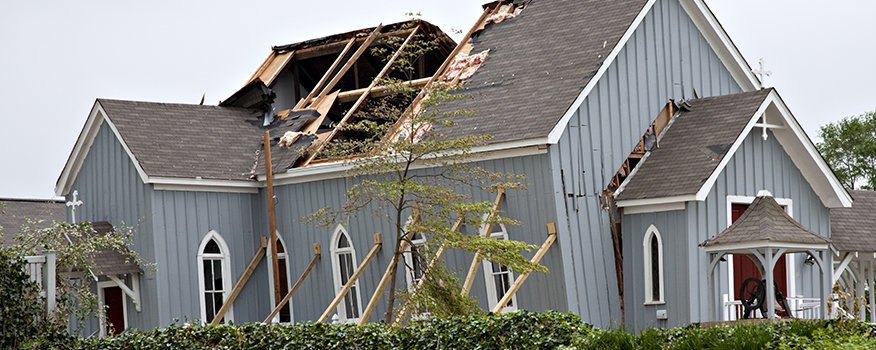
Your commercial roof protects one of the most valuable parts of your property: the building itself.
Whether you own a warehouse, office building, retail center, manufacturing facility, healthcare property, or an apartment complex, your roof helps protect everything underneath it. When a roof develops problems, the effects can spread quickly. Water intrusion, damaged inventory, interrupted business operations, unhappy tenants, and expensive repairs can all follow.
When it’s time for a commercial roofing project, most building owners start by looking at the price. That’s understandable. Roofing work is a significant investment, and cost is always an important consideration.
However, the price on a proposal tells only part of the story.
A commercial roofing contract outlines much more than the project cost. It explains the work that will be performed, the materials that will be installed, the expected timeline, warranty coverage, payment terms, and how unexpected issues will be handled if they arise.
Many roofing problems begin long before construction starts. They begin when assumptions are made and important details are never discussed.
A commercial roofing project may last a few days or a few weeks, but the decisions made before signing the contract can affect your building for years. Taking time to ask questions now can help you avoid misunderstandings, compare proposals more accurately, and feel more confident about your investment.
A roofing contractor should be willing to answer questions openly and clearly. In fact, the way a contractor responds during the proposal process can tell you a lot about what working with them will be like once the project begins.
Before signing a commercial roofing contract, consider the following questions.
Key Takeaways
- A commercial roofing contract is more than a price quote. It outlines the scope of work, materials, timeline, warranties, payment terms, and procedures for handling unexpected issues.
- The lowest bid is not always the best value. Comparing proposals carefully can help you identify differences in materials, warranties, workmanship, and overall project scope.
- Ask about the contractor’s commercial roofing experience, licensing, insurance coverage, and familiarity with projects similar to yours before signing a contract.
- Make sure you understand why a specific roofing system is being recommended and discuss alternative solutions, including repairs, coatings, restoration, or replacement when appropriate.
- Request detailed information about the materials being used, including manufacturers, product specifications, insulation, and installation methods.
- Review the roof inspection findings carefully and ask how hidden conditions, such as wet insulation or damaged decking, will be handled if they are discovered during construction.
- Confirm exactly what is included in the contract price and discuss potential additional costs that could arise during the project.
- Understand the change-order process before work begins so you know how unexpected work will be documented, priced, and approved.
- Review all warranty coverage, including manufacturer warranties and workmanship warranties, and learn what actions could affect warranty protection.
- Discuss project scheduling, possible delays, and how roofing work may affect tenants, employees, customers, or daily operations.
- Ask about safety procedures, property protection measures, and cleanup responsibilities to help protect your building throughout the project.
- Establish clear communication expectations, including who your primary point of contact will be and how project updates will be provided.
- Watch for warning signs such as vague contract language, missing material details, unusually low bids, or contractors who are unwilling to answer questions.
- The best commercial roofing contract is one you fully understand before signing, with clear expectations, documented details, and open communication from the contractor.
Why Commercial Roofing Contracts Matter
Many building owners think of a roofing contract as a document that confirms the price of a project. While the contract certainly includes pricing information, its purpose goes much further.
A commercial roofing contract serves as a roadmap for the project. It helps define expectations for both the property owner and the contractor. It outlines the scope of work and establishes how the project will move from start to finish.
A quality roofing contract should clearly explain:
- What work will be completed
- What materials will be used
- How the roof system will be installed
- When the project is expected to begin
- When the project is expected to be completed
- What warranties are included
- How payment will be handled
- What happens if unexpected conditions are discovered
Without clear details, misunderstandings can happen.
For example, imagine a building owner receives two proposals for the same roof replacement project. One proposal costs noticeably less than the other. At first glance, choosing the lower bid may seem like an easy decision.
However, after reviewing the details, the owner discovers that the higher proposal includes upgraded insulation, additional flashing work, a stronger warranty package, and more extensive cleanup procedures.
The two contractors were not offering the same project.
The lower price may still be the right choice, but the owner cannot make an informed decision until they understand what each proposal includes.
This is why questions matter.
The more information you gather before signing, the easier it becomes to compare contractors fairly and avoid surprises later.
Questions About the Contractor’s Experience
Once you understand why the contract matters, the next step is evaluating the contractor behind the proposal.
Even the best roofing materials can fall short if the project is not planned and installed properly. Before comparing systems, warranties, or pricing, take time to learn more about the company that will be performing the work.
Commercial roofing projects often involve large investments, occupied buildings, and complex roofing systems. Experience can affect how smoothly a project progresses from planning through completion.
How Long Have You Been Working on Commercial Roofing Projects?
Commercial roofing is very different from residential roofing.
Commercial buildings often have larger roof areas, more complicated drainage systems, rooftop equipment, and different installation requirements. These factors require specialized knowledge and experience.
Ask how long the contractor has worked on commercial roofing projects and whether they have experience with buildings similar to yours.
A contractor who regularly works on commercial properties may have a better understanding of common roofing challenges and how to address them.
For property owners in Wichita and surrounding Kansas communities, local experience can also be valuable. Kansas weather can expose roofs to hail, strong winds, heavy rain, and temperature changes throughout the year.
Do You Focus on Commercial Roofing?
Some roofing companies primarily install residential roofs and occasionally perform commercial work.
Others focus mainly on commercial roofing systems.
Commercial roofs often involve materials such as:
- TPO roofing
- PVC roofing
- EPDM roofing
- Modified bitumen roofing
- Metal roofing systems
- Roof coatings
A contractor who works with these systems regularly may be better prepared to explain your options and recommend solutions based on the condition of your roof and your long-term goals.
Are You Licensed and Insured?
This question may not seem exciting, but it is one of the most important.
Ask contractors about:
- General liability insurance
- Workers’ compensation coverage
- Required licenses
- Safety programs
Insurance helps protect both the contractor and the property owner if an accident occurs during the project.
A professional roofing contractor should be willing to discuss these topics and provide documentation when requested.
Questions About the Roofing System Being Proposed
After evaluating the contractor, the next step is understanding the solution being proposed.
Not every commercial roof requires the same approach. Two buildings with similar leaks may need completely different solutions depending on their age, condition, and long-term goals. That is why it is important to understand not only what is being recommended, but why.
Why Are You Recommending This Roofing System?
Every commercial building has different needs.
The best roofing solution depends on factors such as:
- Roof age
- Existing roof condition
- Budget
- Energy goals
- Building use
- Future ownership plans
Ask the contractor to explain why they are recommending a particular roofing system.
Their answer should focus on your building’s needs rather than simply describing the product itself.
You do not need to become a roofing expert before signing a contract. You simply need enough information to understand why a certain solution is being recommended.
In some cases, a commercial roof replacement may provide the best long-term value because the existing roof has reached the end of its service life.
What Other Options Should I Consider?
A contractor who values transparency should be willing to discuss multiple options.
Depending on the condition of the roof, possible solutions may include commercial roof repair, restoration, roof coatings, or full replacement.
Each option comes with different costs, maintenance requirements, and expected service life.
For example, if a roof is still structurally sound but beginning to show signs of aging, commercial roof coatings may help extend its lifespan while delaying the need for a larger investment.
Reviewing multiple options allows building owners to compare short-term costs and long-term value before making a decision.
What Materials Will Be Used?
Material specifications should be clearly documented in the proposal and contract.
Ask for information about:
- Manufacturers
- Product specifications
- Membrane thickness
- Insulation types
- Flashing materials
- Installation methods
These details help ensure that everyone understands exactly what will be installed.
They also make it easier to compare proposals from different contractors.
Questions About the Roof Inspection
A roofing recommendation should be based on a thorough inspection.
Before signing a contract, make sure you understand what the contractor found during their evaluation.
What Did Your Inspection Reveal?
Ask the contractor to explain the roof’s current condition.
Topics may include:
- Active leaks
- Damaged flashing
- Drainage issues
- Ponding water
- Membrane deterioration
- Areas of previous repair
Photos and inspection reports can provide valuable insight.
The inspection should connect the roof’s condition to the recommended scope of work. When contractors explain both the problems they found and how they plan to address them, it becomes easier to evaluate their recommendations.
Could There Be Hidden Problems?
Not every roofing issue is visible during an inspection.
Some conditions may remain hidden until roofing materials are removed.
Examples include:
- Wet insulation
- Damaged roof decking
- Hidden water intrusion
- Structural deterioration
A contractor should explain that these possibilities exist and discuss how they would be handled if discovered.
How Will Unexpected Conditions Be Managed?
Unexpected issues can occur on any roofing project.
Suppose crews remove part of the roof and discover damaged decking underneath. What happens next?
Ask how additional work will be documented and approved.
A clear process should include:
- Photos of the issue
- Written explanations
- Pricing information
- Owner approval before work begins
Having this conversation before construction starts can help prevent confusion later.
Questions About Pricing
Pricing is often where building owners spend the most time comparing proposals. While cost matters, a lower price does not always mean better value. Understanding what is included—and what is not included—can help prevent surprises later.
What Is Included in the Contract Price?
Ask the contractor to explain exactly what the price covers.
This may include:
- Labor
- Materials
- Equipment
- Tear-off work
- Disposal fees
- Temporary weather protection
- Site cleanup
Two proposals can have similar prices while including very different scopes of work.
Detailed discussions make comparisons much easier.
Are There Any Possible Additional Costs?
No contractor can predict every condition that may be discovered during a roofing project.
However, experienced contractors should be able to explain situations that could affect costs.
Examples may include:
- Deck repairs
- Structural repairs
- Wet insulation removal
- Permit requirements
- Additional material needs
Discussing these possibilities beforehand helps establish realistic expectations.
How Are Change Orders Handled?
A change order documents work that falls outside the original contract.
Ask how change orders are managed.
A professional process should include:
- Written documentation
- Clear pricing
- Detailed explanations
- Owner approval
This helps everyone stay informed if project conditions change.
Questions About Warranties
A new roof or major roofing project is expected to provide protection for many years. That is why warranty coverage deserves careful attention. Before signing a contract, make sure you understand exactly what protection is being provided and what responsibilities may remain with the building owner.
What Warranty Coverage Is Included?
Not all warranties provide the same level of protection.
Ask whether the proposal includes:
- Manufacturer warranties
- Workmanship warranties
- Extended warranty options
The contractor should explain what is covered, how long coverage lasts, and any limitations that apply.
What Could Void the Warranty?
This question is often overlooked.
Certain actions may affect warranty coverage, including:
- Unauthorized repairs
- Improper rooftop modifications
- Lack of maintenance
- Damage caused by other contractors
Understanding these requirements can help you maintain coverage after the project is completed.
What Maintenance Is Recommended?
Even new roofing systems require routine maintenance.
Ask about:
- Inspection schedules
- Maintenance recommendations
- Drainage upkeep
- Recordkeeping requirements
Regular maintenance can help identify small issues before they become larger and more expensive problems.
Questions About Scheduling
Even a well-planned roofing project can create temporary disruptions. Understanding the schedule ahead of time can help property owners coordinate with tenants, employees, customers, and vendors while reducing unexpected interruptions.
When Can the Project Start?
Several factors may affect scheduling, including:
- Material availability
- Crew schedules
- Manufacturing lead times
- Weather conditions
Understanding these factors can help establish realistic expectations from the beginning.
How Long Will the Project Take?
Ask the contractor for an estimated timeline.
This timeline should include major milestones and an expected completion date.
Building owners may need to coordinate with tenants, employees, vendors, or customers during the project. Having a timeline can make planning easier.
What Could Cause Delays?
Even well-organized projects can experience delays.
Common causes include:
- Severe weather
- Material shortages
- Permit issues
- Hidden roof conditions
Knowing about these possibilities ahead of time can reduce frustration if schedules change.
Questions About Safety and Building Protection
Roofing projects involve more than materials and labor. They also involve protecting workers, occupants, and property.
What Safety Procedures Do You Follow?
Ask contractors about:
- OSHA compliance
- Fall protection systems
- Crew safety training
- Jobsite safety procedures
Strong safety practices help reduce risks throughout the project.
How Will You Protect My Building During Construction?
Ask how the contractor plans to protect the property while work is underway.
Topics may include:
- Temporary weather protection
- Interior protection
- Debris control
- Equipment placement
The answers can provide insight into how carefully the project will be managed.
How Will Occupants Be Affected?
Many commercial roofing projects take place while businesses remain open.
Ask how construction may affect:
- Employees
- Customers
- Tenants
- Visitors
Potential concerns may include noise, parking restrictions, access changes, or temporary disruptions.
Understanding these impacts ahead of time can help building owners prepare.
Questions About Communication
Communication often becomes most important when something unexpected happens. Delays, weather changes, and hidden roof conditions can all affect a project. Knowing how information will be shared can make the entire experience smoother and less stressful.
Who Will Be My Main Point of Contact?
Ask who will be responsible for communication during the project.
This may be:
- A project manager
- A superintendent
- An account representative
Knowing who to contact can help prevent confusion if questions arise.
How Often Will I Receive Updates?
Regular updates help building owners stay informed.
Ask how progress reports will be provided.
Updates may include:
- Emails
- Phone calls
- Site meetings
- Written reports
A communication plan can help everyone stay on the same page throughout the project.
How Will Problems Be Communicated?
Every construction project has the potential for challenges.
The important question is how those challenges will be communicated and addressed.
A contractor should be willing to explain how they handle project issues, scheduling changes, and unexpected discoveries.
Questions About Cleanup and Project Completion
The final stages of a roofing project deserve just as much attention as the installation itself.
What Is Included in Cleanup?
Cleanup expectations should be clearly defined.
Ask whether cleanup includes:
- Debris removal
- Material disposal
- Equipment removal
- Site inspections
A professional roofing contractor should leave the property in good condition once work is complete.
What Happens During the Final Inspection?
The final inspection gives the owner and contractor an opportunity to review the completed work together.
Ask about:
- Punch lists
- Quality reviews
- Walkthroughs
- Final approvals
This process helps confirm that the completed work matches the contract.
What Documentation Will I Receive?
Before the project is officially complete, ask for copies of:
- Warranty documents
- Product information
- Inspection reports
- Maintenance recommendations
These documents can be valuable for future maintenance and warranty claims.
Warning Signs to Watch For
While many roofing contractors operate professionally and honestly, building owners should still watch for signs that a proposal may deserve closer review.
Watch for warning signs such as:
- Vague contract language
- Missing material details
- Unusually low bids
- Unclear warranty information
- Poor communication
If a contractor seems unwilling to answer questions or provide details, that may indicate challenges later in the project.
Clear communication and detailed documentation are often signs of a professional approach.
Conclusion: The Best Commercial Roofing Contract Is One You Fully Understand
The best commercial roofing contract is one you fully understand before signing. When expectations are clear from the beginning, projects are more likely to stay on schedule, remain within scope, and deliver the results you expect.
While price is an important factor, it is only one part of the decision. Understanding the contractor’s experience, the roofing system being proposed, the materials being used, warranty coverage, project timelines, communication procedures, and potential costs can help you make a more informed choice.
The questions covered in this guide can help you look beyond the bottom-line number and evaluate the full value of a roofing proposal. A contractor who takes the time to explain recommendations, answer questions, and provide detailed information is helping establish clear expectations before the project begins.
Whether you are considering a repair, restoration, coating system, or full roof replacement, taking the time to ask these questions can help protect your building and your investment.
At Solid Rock Commercial Roofing, we believe building owners should have the information they need to make confident decisions about their roofing projects. Our team is committed to clear communication, thorough inspections, and honest recommendations based on the needs of your property.
If you’re planning a commercial roofing project and would like to discuss your options with an experienced commercial roofing team, schedule an appointment with Solid Rock Commercial Roofing today.
Visit https://solidrockcorp.com/contact-us/ or call (316) 227-2628 to schedule your consultation.
We proudly serve commercial property owners throughout Wichita, Derby, Newton, Andover, Hutchinson, and surrounding Kansas communities with commercial roof inspections, repairs, restorations, coatings, and roof replacement solutions.
Frequently Asked Questions (FAQs)
1. Why should I review a commercial roofing contract carefully before signing?
A commercial roofing contract outlines much more than the project cost. It defines the scope of work, materials, timeline, warranties, payment terms, and responsibilities of both parties. Reviewing these details carefully can help prevent misunderstandings, unexpected expenses, and project delays.
2. What should be included in a commercial roofing contract?
A commercial roofing contract should clearly identify:
- The scope of work
- Roofing materials and specifications
- Project timeline
- Payment schedule
- Warranty information
- Cleanup responsibilities
- Change-order procedures
- Safety and property protection measures
The more detailed the contract, the easier it is to understand what is and is not included.
3. Is the lowest roofing bid always the best choice?
Not necessarily. A lower bid may exclude materials, services, warranty coverage, or other components included in competing proposals. Comparing the full scope of work rather than focusing only on price can help you make a better-informed decision.
4. What questions should I ask a commercial roofing contractor before signing a contract?
Some of the most important questions include:
- How much commercial roofing experience do you have?
- Are you licensed and insured?
- Why are you recommending this roofing system?
- What materials will be used?
- What warranties are included?
- How will unexpected issues be handled?
- Who will be my primary point of contact?
These questions can help you better understand the project and the contractor’s approach.
5. How can I tell if a commercial roofing contractor is qualified?
Ask about their experience with commercial roofing systems, the types of buildings they typically work on, their insurance coverage, and their safety practices. You should also request references or examples of similar projects if appropriate.
6. What are change orders in commercial roofing projects?
A change order is a written document that outlines additional work that was not included in the original contract. Change orders typically include a description of the work, the associated costs, and owner approval before the work begins.
7. What happens if hidden roof damage is discovered during the project?
Some roofing issues, such as wet insulation or damaged roof decking, may not be visible during the initial inspection. If hidden damage is discovered, the contractor should document the issue, explain the recommended solution, provide pricing information, and obtain approval before proceeding with additional work.
8. What types of warranties are available for commercial roofing projects?
Commercial roofing projects may include:
- Manufacturer warranties
- Contractor workmanship warranties
- Extended warranty options
Coverage varies depending on the roofing system, materials, and installation requirements. Always ask for details about what is covered and any limitations that apply.
9. Can a commercial roofing warranty be voided?
Yes. Certain actions may affect warranty coverage, including unauthorized repairs, lack of maintenance, improper rooftop modifications, or work performed by other contractors that damages the roofing system. Review warranty requirements carefully to maintain coverage.
10. How long does a commercial roofing project typically take?
Project timelines vary depending on the size of the roof, weather conditions, material availability, and the scope of work. Your contractor should provide an estimated timeline and explain factors that could affect the schedule.
11. Will roofing work disrupt my business operations?
Commercial roofing projects can create temporary disruptions, including noise, limited access to certain areas, or changes in parking and traffic flow. Discuss potential impacts with your contractor and ask how they plan to minimize disruptions during construction.
12. How often should a commercial roof be inspected after installation?
Most commercial roofs benefit from professional inspections at least once or twice per year, as well as after major weather events. Regular inspections can help identify small issues before they become larger and more expensive problems
13. What are some warning signs of a poor commercial roofing proposal?
Potential red flags include:
- Vague contract language
- Missing material specifications
- Unclear warranty information
- Unusually low pricing
- Poor communication
- Reluctance to answer questions
A professional contractor should provide clear, detailed information and welcome your questions.
14. Should I choose roof repair, roof coating, restoration, or replacement?
The right solution depends on your roof’s age, condition, budget, and long-term goals. A thorough inspection can help determine whether a repair, coating system, restoration project, or full replacement is the most practical option for your building.
15. How can I make sure I fully understand a commercial roofing contract before signing?
Take time to review all project details, ask questions about anything that is unclear, compare proposals carefully, and make sure expectations are documented in writing. A reputable contractor should be willing to explain every aspect of the contract before work begins.
This article is a collaboration between Solid Rock Corporation and OpenAI’s ChatGPT. Created on June 22, 2026, it combines easy-to-read information with Solid Rock’s expert oversight to ensure accuracy and relevance.
Recommended Reading
Roofing Contractor Qualification Statement (RQS)
Published by the National Roofing Contractors Association (NRCA), this resource outlines key information building owners should gather when evaluating roofing contractors. It covers qualifications, experience, financial stability, safety practices, and project management capabilities, making it a valuable complement to contract review discussions.
URL: https://www.nrca.net/consumer/roofing-contractor-qualification-statement
Selecting a Professional Roofing Contractor
This article from FacilitiesNet explores the contractor selection process from a facility management perspective. It discusses evaluating experience, reviewing references, understanding project scope, and identifying characteristics of reliable commercial roofing partners before work begins.
URL: https://www.facilitiesnet.com/roofing/article/Selecting-a-Professional-Roofing-Contractor–18859
What Every Building Owner Should Know About Commercial Roof Warranties
Roof warranties are often misunderstood during the purchasing process. This article from Buildings.com examines common warranty types, coverage limitations, owner responsibilities, and questions building owners should ask before signing a roofing agreement.
URL:https://www.buildings.com/building-systems-om/roofing/article/10192370/understanding-commercial-roof-warranties