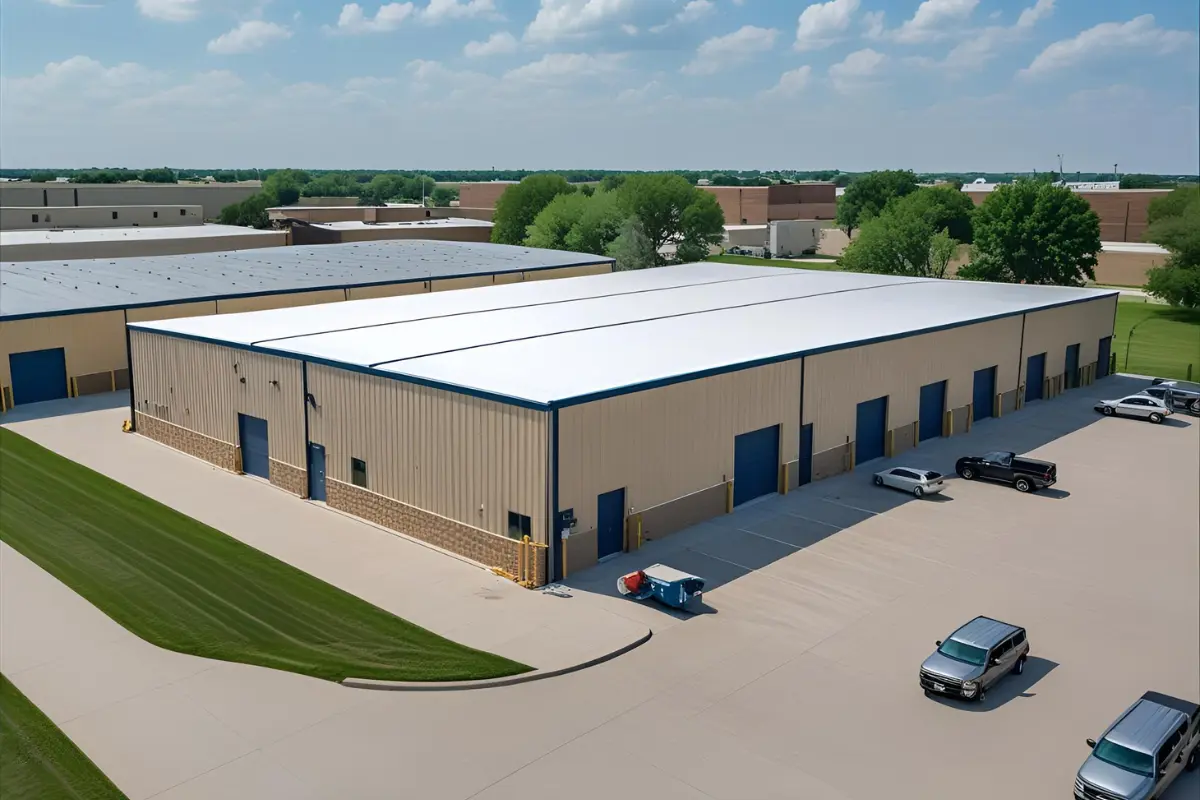
The short answer is that Spray Polyurethane Foam (SFRS) can be applied in winter, but only under very specific conditions where the roof surface and ambient air temperatures are at least 50 degrees Fahrenheit. Because the material relies on a chemical reaction to expand and stick, applying it in extreme Wichita cold without proper “weather windows” can lead to poor foam quality and a roof that fails prematurely.
Key Takeaways: Spray Foam and Cold Weather Installation
This summary highlights the critical temperature and environmental requirements for successfully installing a Spray Polyurethane Foam (SPF) roof during a Wichita winter.
Critical Temperature Requirements
- The 50°F Rule: Generally, both the ambient air and the roof surface must be at least 50°F for the chemical reaction to occur correctly.
- Surface vs. Air: A warm afternoon doesn’t guarantee success; the roof deck (metal or concrete) must be warm enough to prevent the foam from “freezing” upon contact.
- Winter-Grade Foam: Specialized formulas exist that can work down to 45°F, but they are not a substitute for proper weather conditions.
Risks of Cold-Weather Installation
- Delamination: If the surface is too cold, the foam will fail to bond, leading to the roof peeling or “popping” off.
- Structural Weakness: Cold temperatures cause “stunted” expansion, resulting in brittle foam with poor insulation (R-value) and reduced durability.
- The Moisture Factor: Frost and ice are just as dangerous as cold; any moisture on the deck will cause the foam to bubble and fail.
Planning and Strategy
- Weather Windows: Contractors look for a series of warm days in late fall or winter to find “windows” where the building has soaked up enough heat to allow for safe spraying.
- Ideal Timing: The best months for SPF projects in Wichita are April–June and September–early November.
- Emergency Measures: If a leak occurs in mid-winter, it is best to use emergency sealants first and wait for spring to apply the full spray foam system.
- Cost Impact: Winter installations can be more expensive due to specialized chemicals and the increased time needed to monitor environmental conditions.
Why are temperatures so important for spray foam roofing?
Temperature is the most important factor for spray foam because the two liquid chemicals used to make the foam must reach a specific warmth to react correctly, expand into a solid, and create a strong bond with your roof deck. If the roof surface is too cold, the chemical reaction is “stunted,” meaning the foam won’t rise properly or stick to the building.
Think of it like baking a cake. If your oven isn’t hot enough, the cake won’t rise and will stay flat and gummy. In the same way, if the roof deck is 30 degrees, the liquid foam hits the cold surface and “freezes” before it can expand. This creates a thin, weak layer that can peel off in the wind. To ensure a high-quality roof that lasts 50 years, the surface temperature must be consistently above the manufacturer’s minimum, which is usually around 50°F to 60°F depending on the specific foam formula used.
What are “Weather Windows” and how do they work in Wichita?
A “weather window” is a period of a few days during the late fall or winter when the Wichita temperature rises high enough for a roofing crew to safely and effectively spray the foam system. Even in January, Kansas can experience occasional days where the temperature reaches the 50s or 60s, allowing for small repair or restoration projects.
Professional contractors like Solid Rock Commercial Roofing constantly monitor local weather forecasts to find these windows. For a project to be successful, it isn’t just about the high temperature of the day; the roof deck itself must have time to warm up. If it was 10 degrees at night and 50 degrees at noon, the heavy metal or concrete roof deck might still be too cold to spray. We look for a series of warm days where the building has had a chance to “soak up” the heat, ensuring the foam bonds perfectly to the surface.
Are there specialized “Cold-Weather” foam formulas?
Yes, manufacturers create specialized “winter grade” or “cold-weather” foam formulas that are designed to react faster and at slightly lower temperatures than standard summer formulas, allowing contractors to extend the roofing season into the late fall. These formulas use different chemical “activators” to help the foam rise even when the air is crisp.
However, even cold-weather foam has its limits. Most winter-grade foams still require a surface temperature of at least 45°F to 50°F. While these products help us work longer into the year, they are not a “magic fix” for spraying in a blizzard. Using the wrong formula for the current temperature can lead to “off-ratio” foam, which can be crunchy, soft, or have poor insulation value. A professional contractor knows exactly which formula to choose based on the daily temperature readings at your specific Wichita job site.
What happens if spray foam is installed in weather that is too cold?
If spray foam is installed in weather that is too cold, the result is often “delamination,” where the foam fails to stick to the roof, or “poor cell structure,” which means the foam is brittle and does not provide the high R-value you are paying for. These mistakes can lead to a roof that leaks or blows off during the next high-wind event.
According to the Spray Polyurethane Foam Alliance (SPFA), improper temperature during installation is one of the leading causes of foam roof failure [Source: SPFA Technical Guidelines: https://www.sprayfoam.org/technical]. In a hypothetical situation, if a contractor sprays a roof at 35 degrees, the foam might look fine for a few days. However, as soon as the building shifts or the wind picks up, the foam can “pop” off the deck because it never formed a chemical bond. This results in an expensive mess that must be scraped off and replaced, costing the business owner twice as much as a properly timed installation.
When is the ideal time to plan a spray foam project in Wichita?
The ideal time to plan a spray foam project in Wichita is during the “Goldilocks” months of April through June or September through early November, when temperatures are consistently warm and the air is dry. Planning your project during these windows ensures the best possible conditions for a perfect, long-lasting chemical bond.
Waiting until the middle of winter to start a spray foam project is risky because the “weather windows” are short and unpredictable. By scheduling your project in the fall, you get the benefit of the foam’s high insulation value (R-6.5 to R-7 per inch) just in time for the coldest months. If you missed the fall window, the best strategy is to have an inspection now and get on the schedule for the first warm weeks of spring. This allows the contractor to prepare the roof and move quickly as soon as the Kansas weather breaks.
Frequently Asked Questions (FAQs)
Does humidity affect spray foam installation as much as temperature?
Yes, humidity and moisture are just as important as temperature. Spray foam cannot be applied if there is any moisture, frost, or ice on the roof deck, as the water will react with the chemicals and cause the foam to bubble and fail. In Wichita, winter mornings often bring heavy frost. Even if the temperature reaches 55 degrees by noon, the crew must wait until the sun has completely dried the roof before they can begin spraying.
Can the contractor use heaters to warm the roof deck?
While it is possible to use industrial heaters to warm small areas for minor repairs, it is generally not practical or cost-effective to heat an entire large commercial roof deck for a full installation. The amount of energy required to warm thousands of square feet of cold metal or concrete is massive. It is much more efficient and reliable to wait for a natural weather window or plan the project for a warmer season.
If my roof is leaking in January, is spray foam still an option?
If you have an active leak in January, spray foam might not be the immediate solution if the weather is too cold. In this case, a professional contractor will usually perform an emergency repair using cold-weather sealants to stop the leak and protect your building. Once the weather warms up in the spring, we can then apply the full spray foam system as a permanent, seamless solution.
Is spray foam more expensive to install in the winter?
It can be more expensive because the process takes longer and requires more specialized care. The contractor must spend more time monitoring temperatures, drying the roof, and possibly using more expensive winter-grade chemicals. Furthermore, if the crew is sent home because of a sudden temperature drop or unexpected snow, the mobilization costs can add up. This is why late summer and fall are often the most budget-friendly times for installation.
Conclusion & Call to Action: Plan Ahead for a Better Roof
While spray foam is an incredible roofing material that saves Wichita businesses thousands of dollars in energy costs, it is a product of chemistry that requires the right environment to succeed. Understanding the temperature limits of SFRS helps you make smarter decisions for your building. Don’t risk a failed installation by rushing a project in the middle of a cold snap. Instead, use the winter months to get a professional assessment and prepare for the perfect spring installation window.
Contact Solid Rock Commercial Roofing today to schedule your winter roof inspection. Our local Wichita experts will evaluate your building, perform any necessary emergency repairs to get you through the season, and help you plan a seamless spray foam restoration for the first warm days of spring.
Call us now to protect your building and schedule your high-efficiency roof upgrade!