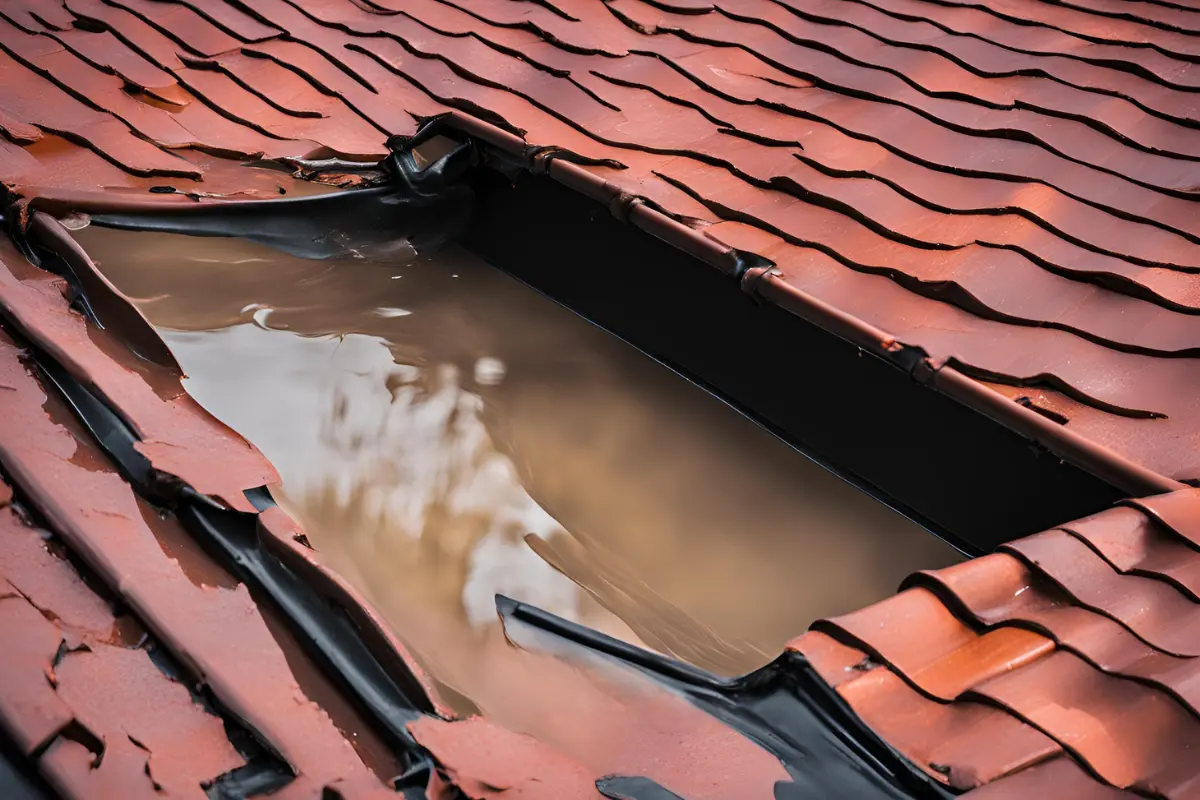
The small leak you notice today, during the mild weather of late fall, is a ticking time bomb, and waiting to fix that leak until January or February—when the bitter Kansas cold arrives—will result in an emergency roof repair that can easily cost you three times the price of a scheduled repair now. This increase in cost is due to expensive emergency labor rates, the failure of repair materials in freezing conditions, and the catastrophic damage the freeze-thaw cycle inflicts on neglected issues.
Why Does the Repair Cost Triple in January Compared to Now?
The cost of a commercial roof repair increases dramatically in the deep winter primarily because of emergency surge pricing, slower work due to weather safety protocols, and the need for specialized, temporary cold-weather materials that require a second, permanent fix later in the spring. Roofing contractors are forced to charge higher rates for emergency jobs done in freezing temperatures because crews work more slowly, safety risks (like ice and snow removal) are higher, and specialized equipment is needed just to access the roof.
During a normal service call in the fall, a crew can quickly assess the damage and apply permanent, fast-curing sealants. In January, the same crew might spend two hours clearing snow and ice just to find the leak, and the liquid materials they use might not stick or cure correctly, forcing them to use temporary patches that have a limited lifespan. You pay for the emergency work now, and often pay again for the permanent repair when the weather warms up, effectively paying twice for the same problem.
How Much More Do Winter Emergency Rates Cost?
Industry data indicates that commercial property owners in cold climates pay 40% to 70% more on average for emergency, unscheduled repairs performed during peak winter months compared to scheduled maintenance in mild weather [Source: Construction Cost Index Data]. If your routine repair is $1,000 today, the same job could cost you $1,700 in January just for the labor and cold-weather charges. If that winter fix fails and you need to pay for a full, permanent spring repair, the total cost for the single leak easily triples.
How Does Extreme Cold Ruin Cold-Applied Sealants and Adhesives?
Extreme cold ruins sealants and adhesives because freezing temperatures prevent these materials from properly curing or bonding to the roofing membrane, making any repair performed below the manufacturer’s minimum temperature limit a temporary and unreliable fix. Most high-performance roofing adhesives, mastics, and liquid-applied flashings require a specific temperature range to set up correctly and form a strong, waterproof seal.
When temperatures drop below 40°F, many materials become stiff, sticky, and difficult to apply correctly, and below freezing, they often fail to cure altogether. A contractor might apply a sealant patch in 15°F weather, but instead of forming a durable, flexible seal, the patch may simply crack or pop off a few weeks later as the roof moves, leaving the leak worse than before. By scheduling now, you ensure that the adhesives have the proper curing time to create a permanent, watertight repair that is guaranteed to last through the toughest Wichita winter.
What is the “Freeze-Thaw Tax” That Winter Adds to a Small Leak?
The “Freeze-Thaw Tax” is the major hidden cost that winter imposes on a small, existing roof breach by forcing any trapped water to turn into ice, which expands by about 9%, tearing tiny cracks and pinholes into large, gaping leaks. This natural process turns a minor maintenance issue into a significant emergency overnight.
Imagine a small, half-inch crack in your TPO membrane near an air conditioning unit. In the fall, it lets in a few drops of water during a storm. Once winter hits, water seeps into that tiny crack and freezes every night. That expanding ice acts like a powerful wedge, forcing the two sides of the crack to separate and lengthen, often turning a half-inch crack into a five-inch tear over a few weeks. The amount of damage and the size of the repair required by the “Freeze-Thaw Tax” means the scope of work is exponentially larger than what was needed in the fall.
Hypothetical Example: Cost of Delaying a Small Leak
Consider a hypothetical commercial property with a small, visible puncture in the roof membrane caused by a dropped tool.
Scenario A: Proactive Fall Repair (Scheduled)
- Action: Solid Rock Commercial Roofing is called immediately. The crew quickly cleans the area and applies a permanent, heat-welded patch and sealant.
- Cost: $850 (Includes mobilization and a permanent, warrantied fix).
- Result: Problem solved permanently. No interior damage.
Scenario B: Reactive Winter Emergency (Delayed until January)
- Action: The property owner waits. The freeze-thaw cycle tears the small puncture into a three-foot-long rip. A snowstorm melts and the water pours onto sensitive retail equipment inside.
- Cost: $1,500 (Emergency labor, snow/ice removal, temporary patch) + $4,000 (Replacing damaged equipment/inventory) + $1,000 (Future permanent repair in spring).
- Result: Total Cost: $6,500. Delaying the repair resulted in a final expense nearly eight times higher than the proactive fix, not including the insurance paperwork and business downtime.
What Other Hidden Winter Costs Does Waiting Expose My Business To?
Waiting to fix a small leak exposes your business to two major hidden costs: damage to the interior insulation (which destroys energy efficiency) and liability risks from interior water damage that your property insurance may not fully cover. When a leak goes unchecked, especially in the winter, the meltwater begins to soak the rigid board insulation under your roof membrane.
Wet insulation loses most of its R-value, meaning your high-efficiency furnace must burn extra fuel just to keep the building warm, leading to higher monthly utility bills. According to the Department of Energy, a wet roof can increase your building’s energy consumption by up to 20% [Source: U.S. Department of Energy Energy Efficiency Guide]. Furthermore, if that water damage is caused by a sudden roof failure that your insurance company deems related to “lack of maintenance,” your coverage may be significantly reduced, leaving your business to pay for the ruined ceiling, equipment, and walls.
Frequently Asked Questions (FAQs)
Can I just throw a tarp on the leak until spring?
While a tarp can offer a very temporary solution to stop active dripping, it is highly dangerous and rarely an effective long-term solution for a commercial roof. Tarps can be easily moved or destroyed by high winds, and they often trap water against the roof surface, making the underlying damage worse. Furthermore, walking on a commercial roof to place a tarp in freezing, icy conditions is extremely hazardous and should only be done by trained professionals. Always call a roofing expert for safe, reliable temporary measures.
Why do roofing contractors charge more for weekend or night emergency calls?
Roofing contractors charge more for after-hours, weekend, or holiday emergency calls because the labor is paid at premium rates (overtime or hazard pay), and specialized resources must be pulled away from scheduled jobs to deal with your crisis. A typical emergency call mobilization fee might cover the cost of quickly assembling a team, transporting emergency lighting, and diverting crews from planned work. This is another reason why a scheduled inspection during normal business hours is vastly more affordable.
Will my insurance pay for the water damage if I knew about the leak and waited?
Your property insurance will likely cover the interior damage (the ceiling, equipment, etc.), but if the insurance adjuster determines that the roof failure was caused by long-term neglect or the lack of timely maintenance, they may fight to avoid paying for the roof repair itself. Most policies require property owners to take reasonable steps to prevent further damage. If you knowingly postpone a small leak repair for months, it gives the insurance company grounds to limit their payout for the resulting massive structural damage. Always report and fix leaks immediately.
Conclusion & Call to Action: Secure Your Building Now
The winter months in Wichita are unforgiving to faulty commercial roofs. That small, easy-to-fix problem you see today will not stay small; the freeze-thaw cycle, combined with the limitations of cold-weather repair materials and high emergency labor costs, guarantees that waiting until January will dramatically increase your final bill. The “urgent window” for cheap, permanent repair is right now, before the ground freezes and the snow starts to fall.
Contact Solid Rock Commercial Roofing today to schedule your comprehensive pre-winter inspection. Our local experts will identify those critical vulnerabilities and provide a permanent, warrantied fix now, saving you thousands of dollars and the headache of a mid-winter crisis.Call us immediately to book your inspection and close the urgent window on unnecessary costs.