A commercial roof protects far more than the building itself. It protects employees, equipment, inventory, and the daily work happening inside the building.
For property owners, a roofing project is a serious decision. Commercial roofs often cover large structures, and repairs or replacement work can affect many people at once. When a roof starts leaking, shows storm damage, or reaches the end of its service life, building owners usually want clear answers before making any decisions.
One of the most common questions property owners ask is simple:
What will the roofing process look like from start to finish?
That question matters because roofing projects can feel uncertain when the steps are not clearly explained. Owners may worry about costs, project timelines, or how construction work might affect employees or tenants.
When the process is explained clearly, much of that uncertainty disappears. Property owners can plan ahead and understand what to expect at every stage of the project.
Solid Rock Commercial Roofing focuses on guiding property owners through each part of the roofing process. From the first inspection to long-term roof care, the goal is to make every step clear and organized.
For building owners in Wichita, Derby, Newton, and nearby Kansas communities, understanding how roofing projects work can make the entire experience smoother. Businesses searching for dependable commercial roofing services often want to know how a contractor manages a project from beginning to end.
The following overview explains how Solid Rock typically handles commercial roofing projects.
Key Takeaways
Commercial roofing projects can feel complex, but a clear process helps property owners understand what to expect. The following points summarize how Solid Rock Commercial Roofing manages projects from beginning to end.
Commercial roofing projects begin with a detailed inspection.
A professional roof inspection helps identify leaks, damage, and areas of wear that may not be visible from inside the building. This step provides a clear picture of the roof’s condition before any work begins.
Property owners receive clear explanations of the roof’s condition.
Inspection findings are explained in straightforward language so building owners can understand what problems exist and how they may affect the building in the future.
Multiple roofing solutions may be available.
Depending on the condition of the roof, solutions may include repairs, restoration systems, coating systems, or full roof replacement. Each option helps property owners choose an approach that fits their budget and long-term plans.
Careful project planning helps reduce disruption.
Commercial roofing projects are often completed while businesses remain open. Planning the project in phases allows employees, tenants, and customers to continue normal operations during the work.
Safety and preparation are important parts of the process.
Before work begins, crews prepare the job site, organize materials, and follow safety standards required by OSHA and local building regulations.
Communication continues throughout the project.
Regular updates help property owners stay informed about progress, timelines, and any changes that may occur during the project.
A final inspection confirms the work is completed correctly.
Once the roofing work is finished, the roofing team reviews the completed system to ensure it meets the project plan and protects the building properly.
Ongoing maintenance helps extend the life of the roof.
Regular inspections and maintenance can help detect small issues early and protect the roofing system for many years.
Step One: The Initial Conversation and Roof Inspection
Every roofing project begins with learning about the building and the concerns of the property owner or facility manager.
Some property owners call because they have noticed leaks after heavy rain. Others request inspections after a hailstorm or strong winds move through the area. In other situations, the roof may simply be older, and the owner wants to know how much longer it may last.
During the first conversation, the roofing team gathers basic details about the building. This may include the type of structure, the size of the roof, and any problems that have already been noticed.
Once this information is collected, the next step is scheduling a roof inspection.
Understanding the Condition of the Roof
A professional roof inspection allows roofing specialists to see the full condition of the roofing system. Many problems cannot be identified by looking from inside the building alone.
For example, a ceiling stain might appear in one area while the actual leak begins somewhere else on the roof surface.
During the inspection, the roofing team examines the entire roofing system. They check the roof membrane, inspect seams where materials connect, and review flashing around vents and rooftop equipment.
Drainage is also evaluated carefully. Water should move off the roof efficiently. When water remains on the roof for long periods, it can slowly weaken roofing materials.
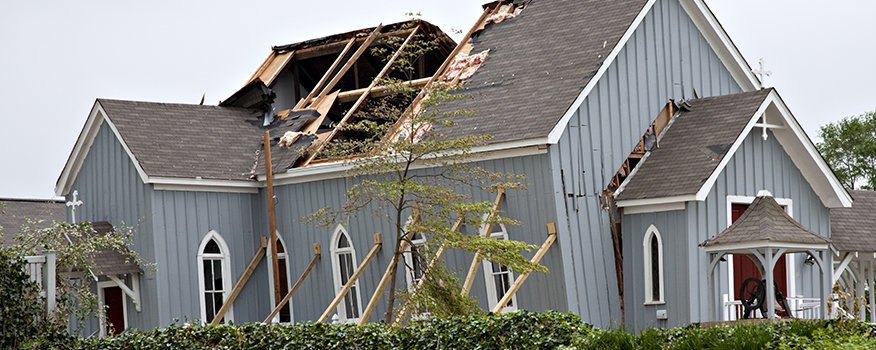
The inspection may also reveal storm damage, aging materials, or areas where repairs may soon be needed.
Photos and notes are recorded during the inspection so the property owner can clearly see what the roofing team discovered.
Example Scenario
Consider a manufacturing building in Derby where employees begin noticing water stains on the ceiling after a storm.
At first, the problem appears minor. However, the inspection shows worn seams and a section of the roof where rainwater collects.
Without a detailed inspection, those issues might continue growing worse over time.
In situations like this, targeted commercial roof repair can often resolve the problem before larger damage occurs.
A thorough inspection gives property owners a clear picture of their roof’s condition before moving forward.
Step Two: Explaining the Roof’s Condition
Once the inspection is complete, the next step is reviewing the results with the building owner.
Commercial roofing systems contain several layers and components. Because most property owners do not deal with roofing materials regularly, the findings must be explained in clear and simple language.
Solid Rock focuses on presenting inspection results in a way that is easy to understand.
The report usually includes photographs of the roof, notes about its condition, and explanations of areas that may need attention.
The roofing team may also discuss how certain issues could affect the building if they remain unaddressed. Small cracks or worn seams, for example, can allow water to enter the roofing system over time.
If moisture enters the roof, it may eventually affect insulation or interior building materials.
By explaining the roof’s condition clearly, property owners can better understand what their building needs.
Step Three: Reviewing Roofing Solutions
After the inspection results are explained, the next step is discussing possible solutions.
Commercial roofing projects often have more than one option. The best approach depends on the condition of the roof, the owner’s budget, and the long-term plans for the building.
Some roofs only require localized repairs to address specific problem areas.
Other roofs may benefit from restoration systems designed to extend the life of the existing materials.
One example is roof coating systems. These coatings can be applied over certain types of roofing materials to seal seams and improve water resistance. When the structure of the roof remains strong, coatings can extend the roof’s usable life.
If the roof has widespread damage or severe aging, full replacement may be the most reliable option.
Example Scenario
Imagine a shopping center in Newton where the owner believes the roof must be replaced immediately.
After reviewing the inspection report, the roofing team explains that the roof structure is still stable. A restoration coating could extend the life of the roof for several more years.
This option allows the property owner to protect the building while planning for a future replacement when the time is right.
Providing several possible solutions allows building owners to choose the option that fits their needs and budget.
Step Four: Planning the Roofing Project
Once a solution is selected, the project moves into the planning stage.
Planning is especially important for commercial roofing projects because many buildings remain open during construction.
The roofing team develops a project plan that explains the work to be performed and how the project will be scheduled.
This plan typically describes the roofing materials being installed, the sections of the roof that will be repaired or replaced, and the expected timeline.
Coordinating With Business Activity
Commercial buildings often have regular activity that must continue during roofing work.
For example, an office building in Wichita may have employees arriving each morning, visitors coming throughout the day, and delivery trucks entering the property.
To keep operations running smoothly, roofing work may be scheduled in phases. One section of the roof may be completed while other areas remain open for building access.
Careful planning allows the project to move forward while daily business activity continues.
Step Five: Preparing the Job Site
Before installation or repairs begin, the roofing team prepares the work area.
Commercial roofing projects require materials, tools, and equipment that must be organized before the work starts.
Material deliveries are scheduled, and staging areas are set up so crews can move safely across the job site.
Safety is an important part of this preparation stage.
Roofing contractors must follow workplace safety standards established by the Occupational Safety and Health Administration (OSHA).
These safety guidelines help protect workers and reduce the risk of accidents during construction.
Roofing projects must also follow local building codes to ensure the finished roof meets structural and safety requirements.
During this stage, property owners usually receive confirmation of the project start date and the expected timeline.
For example, a distribution center in Wichita may receive a schedule showing when roofing crews will begin work and how long each stage may take.
This allows building managers to prepare employees and tenants for the upcoming work.
Step Six: Roofing Installation or Repairs
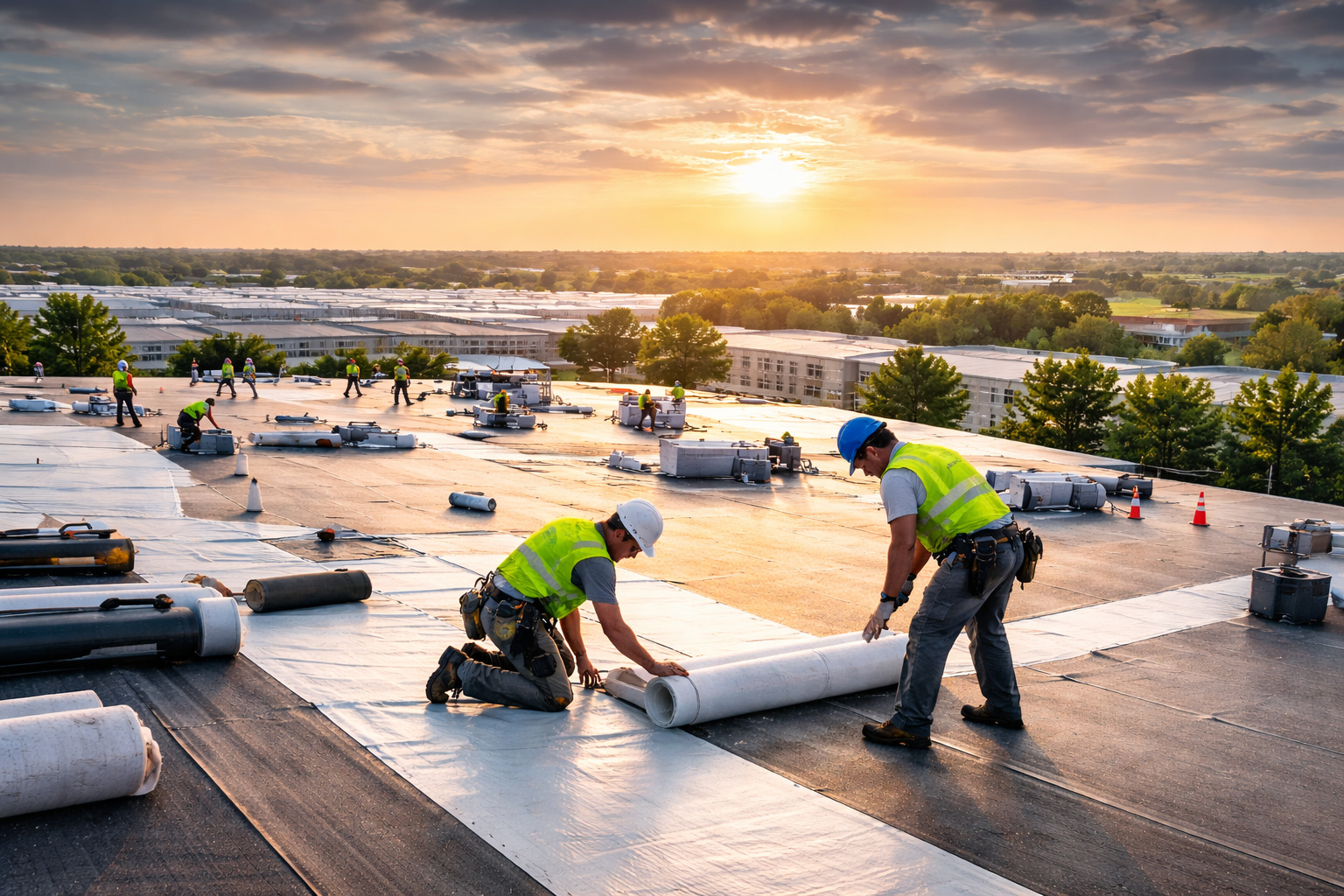
Once preparation is complete, roofing crews begin the installation or repair work.
The tasks performed during this stage depend on the type of project.
Repair work may involve replacing damaged roofing materials or sealing areas where water has entered the system.
Restoration projects may include applying protective coatings that strengthen the roof and improve water protection.
Replacement projects involve removing old roofing materials and installing a new roofing system designed to protect the building for many years.
Working Around Business Operations
Many commercial roofing projects take place while the building remains open.
For example, a manufacturing facility in Wichita may need production equipment running throughout the roofing project.
To reduce disruption, roofing crews may complete the work in sections. One portion of the roof is finished before moving to the next area.
This approach allows roofing work to continue while normal operations inside the building remain active.
Step Seven: Communication During the Project
Communication continues to play an important role during the roofing project.
Even when planning is detailed, weather conditions or material deliveries may affect the schedule.
Regular updates help property owners stay informed about the progress of the work.
Many property managers are responsible for multiple departments or tenants inside their buildings. Updates allow them to inform everyone about roofing activity and possible schedule changes.
Communication also gives property owners an opportunity to ask questions during the project if they want additional information about the work.
Consistent updates help keep the project moving smoothly from start to finish.
Step Eight: Final Inspection and Project Completion
When the roofing work is complete, the final step is inspecting the finished roof.
The roofing team reviews important parts of the roofing system to confirm that the work matches the project plan.
This inspection may include seams, drainage systems, flashing around rooftop equipment, and protective roofing surfaces.
If any small adjustments are needed, they are completed before the project is officially finished.
Final Walkthrough
Many commercial roofing projects conclude with a walkthrough between the contractor and the property owner or facility manager.
During this meeting, the roofing team explains the work that was completed and provides documentation related to the roofing system.
This information may include warranty details and recommendations for future maintenance.
For example, a business park owner in Newton may receive documents outlining the roofing materials installed on each building.
These records help property owners track improvements made to their property.
Conclusion: A Clear Process Builds Confidence
Commercial roofing projects involve large buildings, active workplaces, and significant investments. When the process is explained clearly, property owners can move forward with greater confidence.
Understanding each step—from the first inspection to the final walkthrough—helps building owners plan ahead and avoid unnecessary surprises during the project.
Solid Rock Commercial Roofing focuses on guiding property owners through every stage of the roofing process. The work begins with a detailed inspection and continues through solution planning, project scheduling, installation, and final review. After the project is finished, regular inspections and maintenance help protect the roof over time.
Kansas weather can place heavy stress on roofing systems. Hailstorms, strong winds, and temperature changes can affect commercial roofs throughout the year. Careful planning and proper installation help ensure buildings remain protected despite these conditions.
If your commercial roof has started to show signs of wear, has experienced storm damage, or simply needs a professional inspection, Solid Rock Commercial Roofing can help you understand the condition of your roof and the options available for protecting your building.
To schedule an inspection or speak with the Solid Rock team, visit:
You can also call (316) 227-2628 to set up an appointment and discuss your commercial roofing needs.
Taking time to evaluate your roof today can help prevent larger problems later and keep your building protected for years to come.
Frequently Asked Questions About Commercial Roofing Projects
How long does a commercial roofing project usually take?
The timeline for a commercial roofing project depends on several factors, including the size of the building, the type of roofing system, and weather conditions. Smaller repair projects may take only a day or two, while larger roof replacements can take several days or longer. During the planning stage, the roofing contractor typically provides an estimated schedule so building owners know what to expect.
What happens during a commercial roof inspection?
A commercial roof inspection involves reviewing the entire roofing system to identify damage, wear, and potential problem areas. Roofing professionals examine the roof membrane, seams, flashing, and drainage systems. They also look for signs of storm damage or water intrusion. Photos and notes are usually taken during the inspection so property owners can clearly see the condition of their roof.
Can a commercial roof be repaired instead of replaced?
In many cases, yes. If the roof structure is still in good condition, targeted repairs or restoration systems may solve the problem. Small leaks, damaged seams, or localized wear can often be repaired without replacing the entire roof. A professional inspection helps determine whether repair, restoration, or replacement is the best option for the building.
What are roof coating systems for commercial buildings?
Roof coating systems are protective layers applied over certain types of commercial roofing materials. These coatings help seal seams, improve water resistance, and extend the life of the roof when the underlying structure remains sound. In some situations, a coating system can delay the need for full roof replacement.
Will roofing work interrupt business operations?
Commercial roofing projects are often planned so that businesses can continue operating during construction. Roofing crews may work in sections and coordinate schedules with property managers to reduce disruption. Careful planning helps maintain building access, parking availability, and normal business activity during the project.
How often should a commercial roof be inspected?
Many roofing professionals recommend that commercial roofs be inspected at least once a year and after major storms. Regular inspections help identify small problems before they turn into larger repairs. Industry organizations such as the National Roofing Contractors Association note that routine maintenance can help extend the life of commercial roofing systems.
What should property owners look for when choosing a commercial roofing contractor?
Property owners often look for contractors who provide clear inspections, detailed project plans, and open communication throughout the roofing project. Experience with commercial roofing systems and knowledge of local weather conditions are also important. A contractor who explains the process clearly helps building owners make confident decisions about their roof.
This article is a collaboration between Solid Rock Corporation and OpenAI’s ChatGPT. Created on March 18, 2026, it combines easy-to-read information with Solid Rock’s expert oversight to ensure accuracy and relevance.