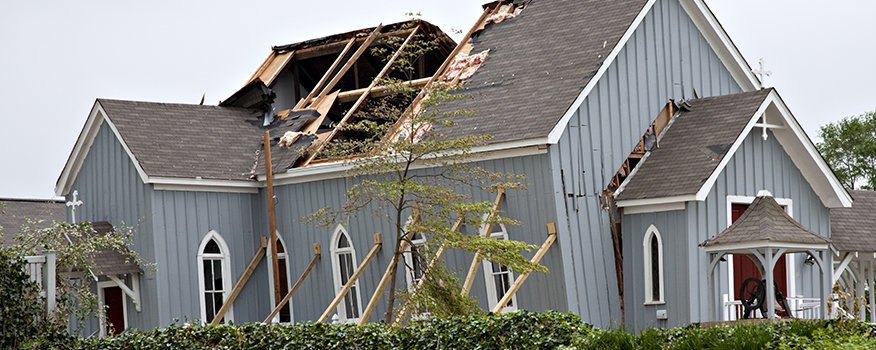
For example, imagine two commercial buildings in Wichita that go through the same hailstorm.
The first building has a roof that is in generally good condition. The evaluation finds one small problem near a roof penetration. A local repair may be enoBy September, the hottest part of the Kansas summer may be coming to an end. But months of summer weather may have left changes on your commercial roof that you cannot see from the ground.
Commercial roofs in Wichita and nearby areas can face many types of weather during the summer. Strong winds, heavy rain, hail, bright sunlight, and high heat can all affect a roof. Some buildings may go through several strong storms in a single summer.
After all that weather, your building may still look fine. You may not see water stains on the ceiling or notice any leaks. From the parking lot, the roof may look the same as it did in the spring.
But that does not always tell you the full story.
Some roof problems are small or hard to see at first. A seam may be stressed. Flashing may be loose. Hail may have affected part of the roof surface. Leaves and storm debris may be blocking a drain. Materials around a vent or HVAC unit may have started to wear.
These conditions do not always cause a leak right away. They also do not always mean you need a new roof. The first step is finding out what condition the roof is in.
That is one reason September can be a good time for a professional commercial roof inspection Wichita KS. It gives building owners and managers a chance to see how the roof handled summer before colder fall and winter weather arrives.
Key Takeaways
- Summer weather can affect commercial roofs in several ways. Wind, hail, heavy rain, heat, and UV exposure can affect roofing surfaces, seams, flashing, drainage areas, and roof penetrations.
- Roof problems are not always visible from the ground. A commercial roof may have a localized issue even when there is no active leak or obvious damage from the parking lot.
- September is a useful time to check roof conditions. A post-summer evaluation can help Wichita-area building owners identify possible concerns before colder fall and winter weather arrives.
- A professional roof evaluation can support better planning. Documenting current conditions can help property owners and facility managers track changes, plan maintenance, and set priorities across multiple buildings.
- Storm exposure does not automatically mean roof replacement. Depending on the condition of the roof, the next step may involve monitoring, maintenance, localized repair, restoration, a roof coating, or a larger roofing project.
- The condition of the individual roof should guide the decision. Two commercial buildings exposed to the same storm may have very different roofing needs.
Kansas Summer Weather Can Affect a Roof in Several Ways
When people think about summer roof damage in Kansas, hail may be the first thing that comes to mind. Hail can affect commercial roofs, but it is only one part of the summer weather story.
Think about what a commercial roof may face over several months.
The roof can sit under strong sunlight and high temperatures for days at a time. Then a thunderstorm moves through with wind and heavy rain. Another storm may bring hail. After the storm passes, the roof may go back to facing weeks of heat and sun.
This cycle can happen many times during one summer.
The effects of summer weather can also build over time. An older part of a roof may handle a storm differently than a newer section. An area that already had some wear may become more stressed after months of heat, wind, and rain.
Looking at each type of weather helps explain what may be happening on the roof.
Strong Winds Can Affect Weak Areas
Wind does not affect every part of a commercial roof in the same way.
Roof edges and corners can face strong wind pressure. Seams, flashing, and other connection points may also need a closer look after severe weather.
If part of the roof was already worn or loose, strong winds may place more stress on it. Roofing materials may shift. Flashing may loosen. Seams may be affected. Branches or other debris may also land on the roof.
Some wind damage is easy to spot. For example, you might see a large piece of loose material from the ground. Other problems can be much harder to see.
A small change around a seam, roof edge, or vent may not be visible from the parking lot. A building can look normal from below even when part of the roof needs attention.
This is why a ground-level look does not always provide enough information about the condition of the roof.
Heavy Rain Can Show Existing Problems
Kansas thunderstorms can bring a lot of rain in a short amount of time.
A commercial roof must keep that water out of the building while also moving it off the roof. Drains, gutters, and scuppers may all be part of that process.
Summer storms can leave leaves, branches, dirt, and other debris behind. If debris gathers around a drain, water may not leave the roof as quickly as it should.
Heavy rain may also expose problems around seams, flashing, roof penetrations, and old repair areas.
The storm does not always create the problem. Sometimes, it makes an older problem easier to notice.
For example, imagine a low-slope commercial roof with a drain that has slowly collected leaves and debris. Light rain may still drain away. Then a strong summer storm brings heavy rain in a short period. Water begins to collect because the drain cannot move it away fast enough.
The storm did not necessarily create the blocked drain. It simply made the drainage problem easier to see.
Hail Damage Can Be Hard to See
Hail can affect commercial roofing in different ways.
The amount of damage can depend on the size of the hail, wind conditions, the type of roof, the age of the roofing materials, and the condition of the roof before the storm.
Hail may cause dents, cracks, punctures, or other surface damage. It may also affect flashing or equipment on the roof.
But not every hailstorm causes major roof damage.
Two buildings in the same area can go through the same storm and have different results. One roof may need repairs. Another may have little or no damage that requires work.
This is why it is not helpful to make a decision based only on the fact that hail fell near your property.
The roof itself needs to be checked.
It is also a mistake to assume that no leak means there was no hail damage. Some conditions may not cause water to enter the building right away.
Summer Heat Can Wear on Roofing Materials
Storms are not the only part of a Kansas summer that can affect a commercial roof.
Heat and sunlight can work on roofing materials day after day.
A roof can become very hot under direct sunlight and then cool as temperatures fall. This heating and cooling can cause roofing materials to expand and contract.
That movement happens again and again throughout the summer.
Over time, it can place stress on seams, flashing, and other parts of the roofing system. UV exposure from sunlight can also add to normal aging.
A newer roof in good condition may handle these conditions without an immediate problem. An older roof may react differently. Areas that were already showing wear before summer may need another look after several months of heat.
A Building Can Have a Roof Problem Without an Active Leak
Many building owners start thinking about their roof when water appears inside.
That is understandable. A leak needs attention.
But waiting for a leak is not the only way to learn that a roof needs work.
A commercial roof has many parts. The main roof surface is only one of them. There are also seams, flashing, edges, drains, vents, pipes, equipment curbs, and other areas where materials meet.
A problem in one of these areas may stay small for some time before water becomes visible inside the building.
Imagine a warehouse in Wichita that goes through a strong summer storm. The next morning, employees come to work and everything seems normal. There are no ceiling stains. No water is dripping. The manager looks at the building from the parking lot and sees nothing unusual.
A professional roof evaluation a few weeks later might find an area around a vent that needs repair.
That does not mean the entire roof is bad. It does not mean the building needs a new roof.
It simply means the owner now knows about an issue that was hard to see from the ground. Finding a smaller problem before it becomes an active leak may also give the owner more time to decide what to do next.
What May Be Found During a Professional Roof Evaluation?
The details of a roof evaluation depend on the building and roofing system.
A roofing professional may start by looking at the main roof surface. The goal is to look for visible changes or damage that may need attention.
Depending on the roof, this could include cracks, punctures, tears, impact marks, bubbles, worn materials, or changes around old repairs.
The type of roofing system matters. Different roofing materials can react to storms, heat, and age in different ways. A condition on one type of roof may not mean the same thing on another.
Seams are another area that may be checked. A professional can look for separation, movement, wear, or other changes.
Roof edges and corners may also need close attention after high winds. Flashing and nearby materials can be checked to see if anything has become loose or moved out of place.
Commercial roofs often have many penetrations. These may include pipes, vents, exhaust systems, and HVAC equipment. Each creates an area where the roofing system must connect to another part of the building.
The roofing materials around these areas may be checked for wear, movement, damaged seals, or other concerns.
Drainage is another major part of a roof evaluation.
Drains, gutters, and scuppers need to move water away from the roof. A professional may look for storm debris or signs that water has been collecting in certain areas.
The roof may also show stains or other signs that moisture has been present. Finding these signs does not always tell you where the water came from. Water can sometimes move from one part of the roofing system before it becomes visible somewhere else.
The goal is not to label the whole roof as “good” or “bad.” It is to learn what condition the roof is in and which areas, if any, need attention.
Small Roof Problems Can Build Over a Summer
Not every roof problem comes from one major storm.
Sometimes, the effects build slowly.
A roof may enter summer with an older seam, a previous repair, or a drainage area that already needs to be watched. Then it goes through weeks of high temperatures, several storms, strong winds, and heavy rain.
By September, that area may be in a different condition than it was in the spring.
Imagine an office building with an older low-slope roof. In April, one seam is starting to show wear, but there is no leak.
Summer arrives. The roof goes through weeks of heat. Several storms bring strong winds and rain.
When the roof is checked in September, that seam may show more wear.
Did one storm cause the whole problem? Maybe not.
For the property owner, the more useful question is what the seam looks like now and whether it needs work.
This is one reason a post-summer roof evaluation can make sense even if your building was not hit by one major storm.
Why September Can Be a Good Time to Check Your Roof
September falls between two demanding weather seasons in Kansas.
Most of the summer has passed, so building owners can see how their roofs handled the heat and storms. At the same time, colder weather is still ahead.
That can give owners time to plan.
If a roof evaluation finds a localized problem, there may be time to schedule commercial roof repair Wichita before freezing temperatures and winter weather arrive.
Not every problem found in September will need immediate repair.
A facility manager may learn that one area should be fixed soon while another can be watched. An owner may find that the roof is in good condition and does not need major work at this time.
Either result is useful because the decision is based on the roof’s condition rather than a guess.
September can also fit well into yearly property planning. Owners can use the information when making maintenance plans and preparing future budgets.
Roof Documentation Can Help With Future Planning
A roof does not stay exactly the same from year to year.
It ages. It goes through storms. Repairs may be made. HVAC contractors or other workers may need roof access. Weather continues to affect the materials.
Without records, it can be hard to remember how an area looked six months or a year ago.
Documenting the roof creates a record of what was visible at a certain time.
This can help a facility manager track areas that need to be watched. It can help a property manager explain roof conditions to an owner. It can also help businesses plan future maintenance costs.
This may be even more useful for companies that manage several buildings.
For example, imagine that you are responsible for five commercial properties around Wichita. One roof is fairly new. Two are older but have had few problems. Another has received several repairs. The fifth is old enough that larger roofing work may need to be planned.
Current roof records can help you decide which building needs attention first.
They can also give you something to compare with future evaluations. If an area changes, you have an older record that may help show how it looked before.
Roof documentation does have limits. An evaluation alone may not prove exactly when damage happened, what caused it, or whether an insurance policy covers it.
The main benefit is having a clearer record of what could be seen on the roof at that time.
Finding Damage Does Not Always Mean You Need a New Roof
Some building owners may worry that calling a roofing contractor will automatically lead to a recommendation for roof replacement.
Finding a problem does not always mean the whole roof needs to be replaced.
A small problem may only need a targeted repair. Another roof may need maintenance and continued monitoring. A roof with wider wear may be a candidate for restoration. An older roof with more serious problems may need replacement.
The right choice depends on the roof itself.
For some commercial roofing systems, a roof coating may be an option when the existing roof is in suitable condition. An elastomeric roof coating may also be considered for some roofs as part of a restoration plan.
Spray foam roofing may be another option for certain commercial buildings, depending on the existing roof, the building, and the goals of the project.
These roofing options should not be treated as automatic answers after a summer storm. The roof should be evaluated first.
ugh.
The second building has an older roof with several problems that existed before the storm. An evaluation finds wear in several areas. That owner may need to look at a larger roofing project.
Both buildings went through the same storm, but their roofs have different needs.
The condition of each roof should guide the next decision.
Multi-Building Owners May Need to Set Priorities
Managing one commercial roof can be a large job. Managing many roofs adds another layer of planning.
Each building may have a different type of roof. Some roofs may be newer than others. Some may have had several repairs. Buildings may even experience different storm conditions despite being located in the same general area.
Post-summer evaluations can help property managers and multi-building operators decide where to focus first.
One roof may need repairs soon. Another may have a small area that should be watched. A third may have no current problems that call for work.
This information can help managers plan maintenance spending based on the needs of each property.
It can also help prevent the building with the newest leak from becoming the only roof that receives attention. A roof does not always have to be leaking to deserve a place in the maintenance plan.
When Should You Have a Commercial Roof Checked?
A major storm is one clear reason to have your commercial roof looked at, but it is not the only reason.
An evaluation may make sense if your property experienced strong hail or wind during the summer. The same is true if you found storm debris on the roof or noticed new leaks or water stains inside the building.
You may also want a professional evaluation if water seems to be draining slowly, roofing material appears loose, or known problem areas have not been checked recently.
If no one has looked closely at the roof since before summer storm season, September can also provide a natural time to check its condition.
For owners searching for storm damage commercial roofing services, the first goal should be finding out what actually happened to the roof.
A storm passing over your property does not tell you how much damage occurred.
The roof needs to be examined so you can make decisions based on what is actually there.
A View From the Parking Lot Has Limits
It is reasonable to look at your building after a strong storm.
You may be able to see large debris, loose materials, or other obvious signs of trouble from the ground.
But many parts of a commercial roof are difficult or impossible to see from the parking lot.
Seams, drains, flashing, vents, HVAC connections, and small areas of surface damage may be hidden from view.
At the same time, building owners and employees should not climb onto a commercial roof simply to look for storm damage.
Roof surfaces can be slippery. Storm debris may create hazards. There may also be loose materials or other unsafe conditions after severe weather. Anyone accessing a commercial roof should have the proper training and equipment to do so safely.
A ground-level check can tell you some things, but it cannot always tell you the condition of the entire roofing system.
Conclusion: Find Out How Your Roof Came Through the Kansas Summer
A Wichita summer can put a commercial roof through months of changing conditions.
The same roof may face strong sunlight, high temperatures, wind, heavy rain, hail, storm debris, and repeated heating and cooling. Some roofs will come through the season without major concerns. Others may have small areas that need repair or maintenance. Older roofs may show more wear and need additional planning.
Those differences are not always easy to see from the ground.
September gives commercial property owners, facility managers, property managers, and multi-building operators a good chance to learn how their roofs came through the summer before colder weather arrives.
A professional roof evaluation can help identify visible problems, check areas that are difficult to see from below, and create a record of the roof’s current condition. If work is needed, you can make a decision based on the type and amount of damage found. If the roof does not need major work, knowing that can also help with maintenance and budget planning.
You do not have to assume a summer storm damaged your roof, and you do not have to wait for an active leak to learn more about its condition.
Want to know how your commercial roof came through the Kansas summer? Contact Solid Rock Commercial Roofing for a free estimate. Visit https://solidrockcorp.com/contact-us/ to set up your appointment, or call us at (316) 227-2628 to learn more.
Frequently Asked Questions
Can a commercial roof have storm damage without leaking?
Yes. Some roof conditions may not cause an immediate interior leak. Damage or wear can occur around seams, flashing, penetrations, roof edges, drainage areas, or other parts of the roofing system without producing an obvious sign inside the building.
When should I have my commercial roof checked after summer?
September can be a practical time to have the roof evaluated because most of the summer storm season has passed and colder weather is still ahead. An evaluation may be especially useful after strong wind or hail, new leaks, interior water stains, visible debris, drainage problems, or changes in roofing materials.
Does hail always damage a commercial roof?
No. The effects of hail can vary based on hail size, wind conditions, roofing material, roof age, and the roof’s condition before the storm. The fact that hail fell near a building does not by itself show how much damage occurred.
What does a professional commercial roof evaluation look for?
The exact process depends on the roof, but a roofing professional may examine the roof surface, seams, flashing, edges, penetrations, drains, gutters, scuppers, previous repair areas, and other visible conditions that may need attention.
Does storm damage mean I need a complete roof replacement?
Not always. A localized problem may only require repair or maintenance. Other roofs may need restoration or more extensive work. The next step should depend on the condition and extent of the problems found.
Can roof documentation help commercial property managers?
Yes. A record of current roof conditions can give property and facility managers a reference for future evaluations, maintenance planning, budgeting, and setting priorities across several buildings.
Should building owners inspect commercial roofs themselves after a storm?
A ground-level check may reveal obvious issues, but building owners and employees should avoid unnecessary rooftop access. Commercial roofs can have fall hazards, slick surfaces, storm debris, and other unsafe conditions.
Why check a commercial roof before winter if there are no leaks?
A post-summer evaluation can identify conditions that may be difficult to see from inside the building or from the ground. It also gives owners more information for deciding whether maintenance or repairs should be planned before winter.
This article is a collaboration between Solid Rock Corporation and OpenAI’s ChatGPT. Created on Sep 15, 2026, it combines easy-to-read information with Solid Rock’s expert oversight to ensure accuracy and relevance.
Recommended Reading
For readers who want more technical or industry-level context, these independent sources complement the article without directing readers to competing commercial roofing contractors.
1. Hail Damage to Roofs — National Park Service
This resource discusses how hail can affect roofing materials and provides useful context for evaluating physical damage after storms. Although written with historic structures in mind, the material helps professionals better understand how hail size, roofing materials, and impact conditions influence damage.
2. Wind Safety of the Building Envelope — Whole Building Design Guide (WBDG)
This technical resource examines how wind interacts with building-envelope systems, including roofs and perimeter areas. It provides deeper building-science context for facility professionals who want to understand wind pressures, roof-system vulnerabilities, and design considerations beyond a basic post-storm inspection.
3. Roofing — Building America Solution Center, Pacific Northwest National Laboratory / U.S. Department of Energy
This building-science resource provides broader technical information about roofing assemblies, moisture management, durability, and roof performance. It is useful for facility and property professionals who want to place storm-related roof conditions within the larger context of building-envelope performance.