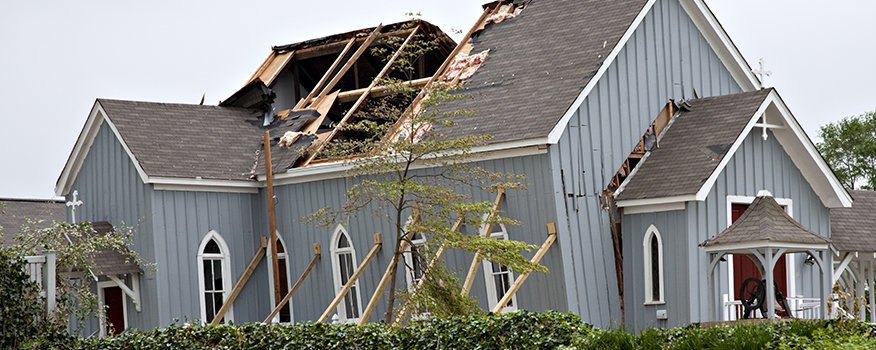
Kansas winters present a unique and severe test for commercial roofs, often swinging wildly from below-freezing ice storms to mild, sunny days within hours. This extreme temperature shift, combined with high winds and the damaging freeze-thaw cycle, means that choosing a high-quality, flexible, and durable material is essential for protecting your valuable commercial assets in Wichita and across the region. As local experts, Solid Rock Commercial Roofing understands exactly how these conditions affect different materials like TPO, PVC, and Metal, and we are here to help you choose the best long-term solution.
Key Takeaways for Commercial Roofing in Kansas
- The Biggest Threat is Temperature Fluctuation: The primary source of roof damage in Kansas is the severe freeze-thaw cycle and rapid temperature changes (sometimes 40 degrees in a day). This constant expansion and contraction stresses the roof’s seams, flashings, and fasteners, leading to leaks.
- PVC is the Cold-Weather Leader: PVC (Polyvinyl Chloride) is the best single-ply membrane option for extreme cold. It maintains superior flexibility at very low temperatures (some rated down to -50°F) and is significantly less likely to become brittle and crack under stress compared to TPO.
- TPO Quality is Critical: While cost-effective, TPO (Thermoplastic Polyolefin) can lose flexibility in freezing temperatures if it is a low-quality product, making it brittle and prone to cracking. It’s recommended to invest in thicker (60-mil or 80-mil) TPO for better cold-weather performance.
- Metal Requires Expert Installation: Metal roofing offers excellent longevity and sheds snow easily. However, it experiences significant thermal expansion and contraction. For the system to remain watertight, it must be installed using sliding clips and specialized fasteners that allow the panels to move freely.
- Don’t Wait for Leaks: Damage caused by the winter freeze-thaw cycle often doesn’t show up until the spring thaw when rain exposes the cracks and compromised seals. Property owners should schedule a professional roof assessment now to secure the roof before the major cold hits.
What are the Main Winter Challenges Commercial Roofs Face in Kansas?
Commercial roofs in Kansas must endure specific, damaging conditions every winter, primarily dealing with rapid temperature changes, heavy snow loads, and the severe freeze-thaw cycle, which is arguably the most destructive force. Because Kansas is situated inland, we experience drastic fluctuations in temperature—sometimes 40 degrees in a single day—that cause materials to constantly expand and contract, placing extreme stress on seams, flashings, and fasteners, leading to early failure and leaks.
How Does the Freeze-Thaw Cycle Specifically Damage Flat Roofs?
The freeze-thaw cycle is a hidden enemy that damages flat roofs by allowing water to penetrate tiny cracks during the warmer, thaw period, and then turning that water into damaging ice when the temperature drops. When water freezes, it expands by about 9%, which pushes outward on the materials around it. This process repeatedly breaks down the strongest adhesives, lifts the edges of membranes and flashings, and turns small, harmless micro-cracks into large leaks over time, often damaging the insulation layer beneath the membrane before you even notice the problem.
What is TPO Roofing and How Does it Handle Kansas Cold?
TPO (Thermoplastic Polyolefin) is one of the most popular and cost-effective commercial roofing systems today, but its performance in deep cold depends heavily on its formulation, thickness, and overall quality. TPO is a single-ply membrane that offers excellent energy efficiency in the summer, but low-quality TPO products can lose flexibility in freezing temperatures, making the material brittle and much more likely to crack, shatter, or experience seam failure during the stress of a rapid temperature drop or high winds.
When TPO manufacturers formulate the material, they use plasticizers to help it remain pliable. In very cold conditions, particularly below 0°F, low-end TPO products can stiffen significantly. When the material is stiff, any wind-induced movement (fluttering) can cause it to crack or tear right at the mechanical fasteners. This is why Solid Rock Commercial Roofing only recommends thicker (usually 60-mil or 80-mil) TPO products with proven cold-weather performance, as they maintain a better degree of flexibility than cheaper alternatives, providing better protection for your building.
How Does PVC Roofing Perform During Extreme Winter Temperatures?
PVC (Polyvinyl Chloride) is often considered a superior-performing membrane in extreme cold compared to TPO, as it is manufactured with stabilizers that help it resist harsh temperature fluctuations while maintaining better flexibility. PVC holds up exceptionally well when temperatures plunge below zero, as it is less susceptible to becoming brittle and cracking under pressure than TPO, making it a reliable choice for the unpredictable Kansas climate.
In fact, some quality PVC membranes are rated to maintain their flexibility at temperatures as low as -50°F
This excellent cold-weather performance comes from the molecular structure of the material, which resists the constant thermal shock of heating up under the sun and then rapidly cooling at night. While PVC generally costs more upfront than TPO, its longevity and high resistance to cold-weather cracking often lead to lower maintenance costs over its lifespan, providing excellent long-term value.
Does Metal Roofing Resist the Freeze-Thaw Cycle of a Kansas Winter?
Metal roofing systems perform excellently in cold and easily shed heavy snow loads, but their primary challenge in the Kansas winter is managing thermal expansion and contraction—the movement caused by temperature swings. A metal roof can change dimension significantly between a 100°F summer day and a 0°F winter night, so proper installation using sliding clips and specialized fasteners is absolutely critical.
If a metal roof is installed with fixed fasteners, the constant movement will eventually rip holes in the panels or tear the fasteners right out of the structural decking. A properly installed metal roof, however, utilizes engineering that allows the panels to glide freely as they expand and contract, ensuring the roof remains completely watertight. Furthermore, metal offers a significant advantage in durability, often lasting 40 to 60 years with minimal maintenance, easily outperforming membrane roofs in longevity.
What are the Key Considerations When Comparing TPO, PVC, and Metal in Cold Climates?
When selecting a commercial roofing material for a tough winter climate like Kansas, the decision should be based on three critical factors: cold-weather flexibility, wind resistance, and overall projected lifespan.
| Material | Cold-Weather Flexibility | Average Lifespan (Years) | Cost (Relative) | Key Winter Advantage |
| TPO | Good (Varies by quality) | 15–25 | Medium-Low | Most cost-effective initial installation. |
| PVC | Excellent (Remains pliable) | 20–30 | Medium-High | Superior resistance to cold-weather cracking. |
| Metal | Not Applicable (Handles expansion) | 40–60 | High | Sheds snow/ice quickly; highest longevity. |
The key takeaway is that for buildings where long-term durability and snow shedding are the priority, Metal is the best choice. For businesses requiring a flat roof membrane that offers the highest cold-weather resistance and flexibility, PVC is the recommended premium option. TPO remains a viable, budget-conscious option, provided you invest in a higher-grade, thicker product that is less prone to brittleness when the temperature drops.
Frequently Asked Questions (FAQs)
Does the color of my roof material matter in a cold climate?
Yes, the color definitely matters, even in winter. Most commercial roofs are white (especially TPO and PVC) because a white roof reflects up to 80% of the sun’s energy, which dramatically reduces your cooling costs in the summer. While a darker roof might absorb more heat in the winter, the effect is often minor and does not outweigh the significant summer savings and energy efficiency benefits
$$Data: Department of Energy Study on Cool Roofs: `https://www.energy.gov/eere/buildings/cool-roofs`$$
Should I remove snow from my commercial roof during a heavy Kansas storm?
Generally, no. Most commercial roofs are engineered to handle the weight of snow. However, if a major storm drops several feet of heavy, wet snow, or if you notice sagging, you should contact a professional roofing contractor immediately for an assessment. Never attempt to remove snow yourself, as you could damage the membrane, void your warranty, or risk serious injury.
Do high winds in the winter pose a different threat than summer winds?
Yes, they do. While high winds are always a threat for uplift, winter winds compound the damage because the roofing material is cold and brittle. A sudden wind gust in the summer might cause a membrane to flex, but the same gust in freezing temperatures can cause the stiffened membrane to immediately crack or tear at a weak point, leading to a much faster breach of the system.
Why do roofs often leak in the spring after a tough winter?
Leaks typically appear in the spring because the hidden damage caused by the freeze-thaw cycle has weakened the roof’s seals and flashings over the winter. When the spring thaw begins and heavy rain falls, the water finds those compromised seals and cracks that were created by the expanding ice, leading to leaks that often trace back to the prior winter’s brutal temperatures.
Final Thoughts & Call to Action: Protect Your Investment This Winter
Choosing the right commercial roofing material in a climate like Kansas is not just a matter of price; it’s a crucial decision about long-term business protection. The constant thermal shock from our severe temperature swings demands a material with superior flexibility, whether that is the high-performance pliability of PVC or the strong, engineered movement of a metal system. Ignoring the need for a cold-weather-appropriate roof can lead to premature leaks, costly interior damage, and major capital expense replacements down the line.
Don’t wait until the first major freeze hits. If you are considering a new roof, a re-roofing project, or are simply unsure about how your current roof will handle the next Kansas winter, the time for a professional inspection is now.
Contact Solid Rock Commercial Roofing today for a comprehensive, no-obligation roof assessment. Our local Wichita experts specialize in designing and installing roofing systems—including high-quality TPO, PVC, and Metal—specifically engineered to endure the demanding Kansas winter weather and keep your business safe and dry for decades to come.
Call us to schedule your inspection and secure your roof for winter!