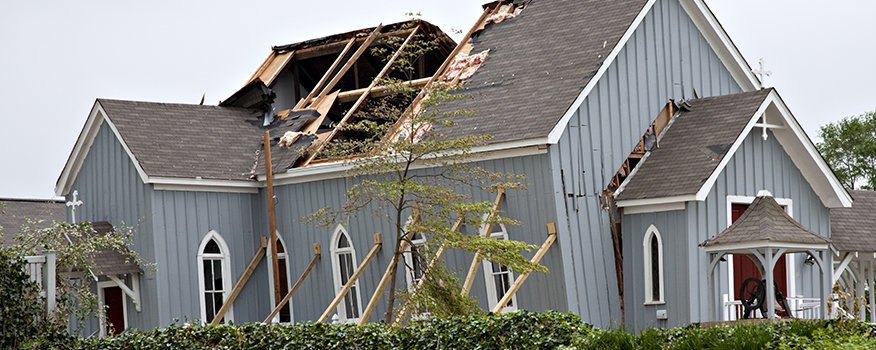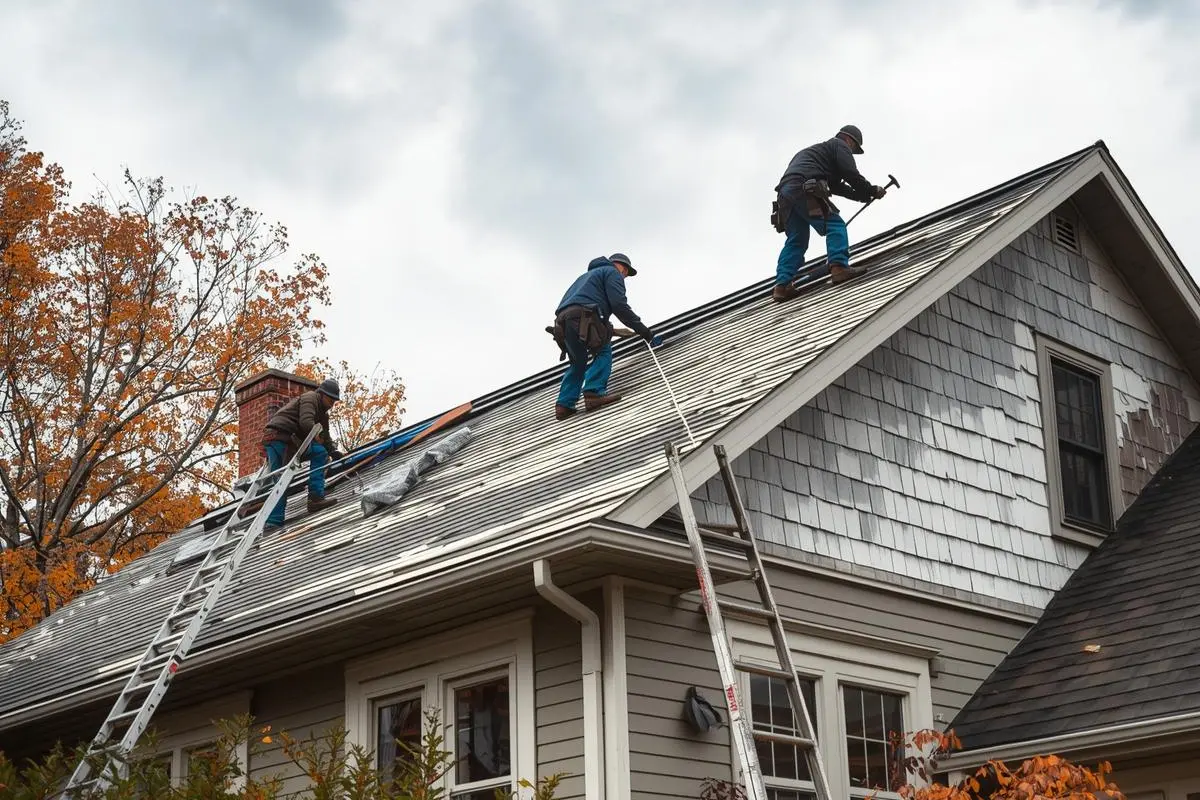
A small roof leak or crack that seems harmless today can quickly turn into a catastrophic failure when the Kansas winter hits, meaning fixing any roofing issues now, before temperatures drop below freezing, is absolutely mandatory for protecting your commercial building. The cost of a simple patch repair today is often a fraction of the expense and damage caused by an emergency repair in January, which may involve not only a new roof section but also ruined inventory, damaged interior structures, and lost business time.
What Makes Kansas Winter So Dangerous for Commercial Roofs?
Kansas winters are especially hard on commercial roofs because of the constant freeze-thaw cycle, where temperatures rapidly switch between freezing at night and warming up during the day, placing incredible stress on all roofing materials. This drastic and repeated change causes materials—whether it’s TPO, PVC, or metal—to expand and contract over and over again. If a membrane has a small puncture or a seal has lifted slightly, the freeze-thaw cycle forces water into that tiny opening, turning it into ice that expands by about 9%, tearing the opening wider and eventually causing a major leak.
This cycle turns minor wear and tear into urgent problems. For instance, a one-inch micro-crack in your roof membrane might only let in a few drops of water when it rains in September. However, if that crack gets filled with water, freezes overnight, and expands just ten times throughout the winter, that small crack can become a half-inch-long tear, leading to a massive water intrusion event. Proactive repair stops this damaging cycle before it can even begin, saving you from much bigger repair bills and significant interior damage later on.
Why is Fixing a Small Problem Now Much Cheaper Than Waiting Until Winter?
Fixing a small, non-critical roof defect in the mild fall weather is dramatically less expensive and faster than attempting an emergency repair in winter because repair crews cannot work safely or effectively in extreme cold, snow, or ice, leading to higher labor costs and material issues. The simple difference between a planned repair and an emergency job is that in the winter, roofing materials like liquid adhesives and sealants often fail to cure properly or won’t stick at all when applied below certain temperatures. This means a winter patch might only be a temporary fix, requiring a second, more complicated repair in the spring.
How Much More Does a Winter Emergency Repair Cost?
According to industry data, emergency winter roof repairs can cost businesses an average of 40% to 70% more than the same scheduled repair done in the fall, primarily due to higher labor rates, specialized equipment needed for clearing ice and snow, and the use of temporary, cold-weather-specific patching materials
$$Source: Industry Cost Analysis$$
. If a contractor needs to clear a foot of snow and ice from your roof before they can even find the leak, that labor time is added to your bill. Furthermore, when the interior of your business—like ceilings, insulation, or electronic equipment—is damaged by a sudden winter leak, the resulting insurance claims and remediation work can easily cost tens of thousands of dollars more than the simple fall repair.
What Specific Areas of My Roof Need Pre-Winter Inspection Now?
The most common areas where Kansas winters cause immediate leaks are at the roof seams, around flashings, and near drainage points, because these are the places where movement and water are most concentrated.
Why are Roof Seams the Most Vulnerable Spots in Cold Weather?
Roof seams are where two sections of the membrane (like TPO or PVC) are joined together, and they fail in the cold because of the immense force created when the materials repeatedly shrink in freezing temperatures, pulling the bond apart. On a flat commercial roof that is 100 feet long, the change from a 70°F day to a 0°F night can cause the membrane to shrink by a visible amount. If the seam is weak, that shrinking force can cause the seam adhesive to fail, creating a long, open path for meltwater to flood the building. Fixing a loose seam now involves cleaning and re-welding the area, which is simple. Ignoring it means risking a massive leak across the entire seam line.
How Does the Cold Affect the Flashings Around Vents and Equipment?
Flashings—the seals around vents, pipes, skylights, and HVAC equipment—are susceptible to cold damage because they involve a change in materials (membrane meeting metal or plastic), which all expand and contract at different rates. If the sealant used to waterproof the edge of a pipe flashing is old or cracked, the freeze-thaw cycle forces the small gap between the sealant and the pipe to grow larger. When the pipe shrinks away from the membrane in the cold, the seal is broken. A pre-winter inspection ensures all these seals are fresh, flexible, and completely watertight before the winter ice can tear them open.
What Happens to the Roof Drains and Gutters When They Freeze?
Roof drains and gutters become a problem in winter when they are blocked by debris (leaves, branches) in the fall, causing water to back up and freeze on the roof, which stops the proper drainage of meltwater. This creates dangerous “ice dams” or standing pools of water that freeze and expand right near the most vulnerable parts of the roof (the drains). If a drain is clogged, the water sits on the roof, eventually finding the weakest seam or crack. Cleaning gutters and drains in the fall is a simple, inexpensive maintenance step that prevents thousands of pounds of damaging ice from forming on your roof.
Can You Give a Hypothetical Example of the Cost Difference?
Imagine a small, 5-year-old TPO roof on a Wichita office building. Last spring, it developed a tiny quarter-inch tear from a dropped tool near the edge flashing.
Scenario A: Proactive Fall Repair (Scheduled)
- Action: Solid Rock performs a scheduled fall inspection, finds the tear, and seals the flashing.
- Cost: $450 (includes inspection and simple heat-weld patch).
- Result: The roof is secure. No further action needed until the next scheduled maintenance.
Scenario B: Reactive Winter Emergency (Unscheduled)
- Action: That small tear allows water to seep under the membrane. By December, the freeze-thaw cycle turns the tear into a two-foot rip. A heavy snow melts and water pours into the drop ceiling and floods the server room.
- Cost: $1,800 (emergency labor and snow/ice removal to find the leak) + $5,000 (replacing the damaged server room ceiling and insulation) + $2,000 (insurance deductible).
- Result: Total Cost: $8,800. The reactive fix cost over 19 times more than the proactive fix, not counting business downtime.
This simple example shows that pre-winter repair is not an option; it is a critical, cost-saving investment in your building’s security.
Frequently Asked Questions (FAQs)
Does a new commercial roof need a pre-winter check-up?
Absolutely. Even a brand-new roof needs a fall check-up to ensure that debris from construction has been cleared from the drains and that all the new sealants have properly cured and adhered before the cold weather starts. Sometimes, minor settling occurs during the first few months, and a quick inspection can catch these small adjustments before winter makes them bigger.
Can I use roof heating cables to prevent winter damage?
Heating cables can be used along gutters and in drain pipes to help prevent ice dams and keep water flowing off the roof, especially in areas where snow accumulates heavily. However, they are not a substitute for proper roof repairs. They manage the symptoms of ice build-up, but they do not fix a cracked membrane or a failed seam. Your contractor can determine if heating cables are a necessary addition to your existing system.
If my roof is under warranty, can I wait until spring to report a leak?
Waiting is extremely risky, and it might void your warranty. Most commercial roof warranties require the owner to perform routine maintenance and immediately report any known leaks or damage. If a small, fixable leak turns into a massive structural issue because you waited for months, the warranty provider may argue that the resulting major damage was caused by your lack of prompt action, not a flaw in the original installation, leaving you responsible for the repair bill. Always report leaks immediately, regardless of the season.
What is the most important thing to look for on my roof before winter?
The most important thing to check for is any sign of standing water or debris accumulation, especially near drains, HVAC units, or walls. If water can’t flow freely off the roof, it will freeze and create a stress point that will lead to a leak. Clear all leaves, trash, and other material so that the roof drains completely.
Final Thoughts & Call to Action: Secure Your Building Now
The harsh reality for commercial property owners in Wichita is that winter is coming, and it will expose every single flaw in your roofing system. A pre-winter inspection and repair is not an optional expense; it is a necessary insurance policy against the destructive power of the freeze-thaw cycle. You have a chance right now, during the mild weather, to solve small problems cheaply and effectively. Don’t trade a quick, low-cost fix today for an expensive, emergency crisis tomorrow.
Contact Solid Rock Commercial Roofing today to schedule your comprehensive pre-winter roof assessment. Our local team specializes in identifying and quickly repairing the exact points of failure—seams, flashings, and drains—that the Kansas cold targets, guaranteeing your business stays warm, dry, and protected all season long.
Call us to book your inspection and protect your commercial investment before the first hard freeze.