Introduction: The Cost of Looking Back
Most roofing regrets do not begin with obvious mistakes. They begin with small decisions that feel reasonable at the time.
A bid comes in lower than the others. A minor leak does not seem urgent. A new roof feels like a completed task.
Then, over time, the results start to show.
This is how hindsight works. It becomes easier to see what should have been done only after problems begin to surface. For commercial building owners, those problems often mean higher costs, more repairs, and a shorter roof lifespan.
A roof protects more than the structure. It protects everything inside—equipment, inventory, and daily operations. When a roofing decision falls short, the effects can spread throughout the entire building.
This article breaks down the most common regrets building owners have about past roofing decisions. The goal is simple: help you make clearer, more confident choices now so you avoid costly issues later.
Key Takeaways
- The biggest roofing regrets usually come from small decisions that seemed fine at the time—not major mistakes.
- Choosing the lowest bid without understanding what’s included can lead to higher costs later.
- Small roofing problems rarely stay small. Delaying repairs often makes them more expensive and harder to fix.
- Not all roofing systems are the same. Picking the right one depends on your building, usage, and environment.
- A new roof still needs regular maintenance. Skipping it can shorten the roof’s lifespan and affect warranties.
- Storm damage is not always easy to see. A post-storm inspection can catch hidden issues early.
- The true cost of a roof includes more than the upfront price. Long-term repairs, energy use, and lifespan all matter.
- Working with different contractors over time can lead to confusion and missed details. A consistent roofing partner helps avoid that.
- Better roofing decisions come from having clear information, asking the right questions, and planning ahead.
- Taking action early—whether through repairs, maintenance, or inspection—helps prevent costly problems later.
Regret #1: Choosing the Lowest Bid Without Understanding the Scope
It is natural to look at price first. Roofing projects are expensive, and staying within budget matters.
However, price alone rarely tells the full story.
Two bids may appear similar at first glance, yet differ in important ways. One contractor may include higher-quality materials and more complete work. Another may lower the price by reducing or leaving out key parts of the system.
From the outside, both can look like solid options.
Now imagine a building owner who selects the lowest bid for a roof replacement. The project is completed, and everything seems fine in the beginning. Over time, small issues start to appear. Water does not drain as well as expected. Seams begin to weaken. Leaks show up during heavier storms.
Each issue seems manageable on its own. Together, they point to a deeper problem.
The owner now faces ongoing repairs, unexpected disruptions, and a roof that may not last as long as planned.
The regret is not simply choosing the lowest bid. It is not fully understanding what that bid included.
A lower price is not always a poor choice, but it must be evaluated alongside materials, workmanship, and overall system design.
Regret #2: Delaying Repairs Until Problems Get Worse
Most roofing systems do not fail suddenly; they show early warning signs.
A small ceiling stain appears. Water sits on the roof longer than usual. A seam begins to separate.
These signs are easy to overlook, especially when they do not interrupt daily operations.
Waiting can feel like a practical choice; if the issue is not urgent, it can be handled later.
But small problems tend to grow.
Consider a minor leak that only shows during heavy rain. It seems limited, so it is monitored instead of repaired. Over time, water reaches the insulation. The insulation becomes less effective, which can increase energy costs. Moisture builds up and leads to further damage.
By the time the issue becomes clear, it has already spread beyond its starting point.
What could have been a simple repair now requires more time, more money, and possibly interior work as well.
The regret is not missing the problem. It is underestimating how quickly it could grow.
Regret #3: Not Understanding Roofing System Options
Commercial roofing systems are not all the same. Common types include TPO, EPDM, metal, and coating systems.
Each option has its own strengths and limitations. Some perform better in certain climates or building conditions than others.
Many building owners make decisions without fully understanding how a system will perform over time.
Sometimes the choice is based on cost. Other times, it comes down to familiarity.
Imagine selecting a system that works well in general but does not match your building’s needs. It may not handle regular foot traffic well. It may require more maintenance than expected. It may not perform as efficiently in your environment.
These issues often develop slowly.
Over time, the roof may need more repairs. Energy performance may fall short. The system may wear out sooner than expected.
The regret is not choosing a “wrong” system. It is choosing without enough information to match the system to the building.
Regret #4: Overlooking Maintenance Planning
A new roof often feels like the end of a project.
In reality, it marks the beginning of long-term care.
All roofing systems require regular maintenance. Drains need to stay clear. Seams should be checked. Small issues should be addressed early.
Without consistent maintenance, even a well-installed roof can decline faster than expected.
Picture a building owner who installs a new roof and then shifts focus elsewhere. Maintenance is not scheduled. Inspections are occasional rather than routine.
Over time, small issues go unnoticed: debris collects, drainage slows, and minor wear turns into larger problems.
When a major issue appears, the response is reactive and often more costly.
There can also be warranty concerns. Many warranties depend on regular, documented maintenance. Without it, coverage may be reduced.
The regret is not planning for what happens after installation.
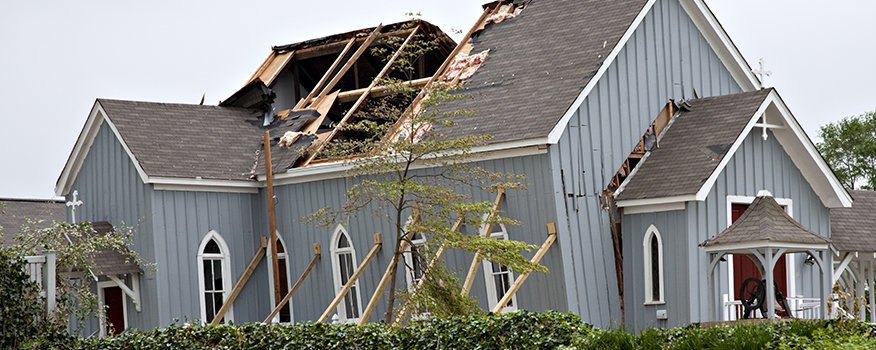
Regret #5: Ignoring Early Signs of Storm Damage
Storm damage is not always obvious.
After a storm, a roof may look fine from the ground. There are no leaks and no clear signs of damage.
Still, problems can exist beneath the surface.
Wind and hail can weaken materials; seams may loosen, small punctures may form, and flashing may shift slightly out of place.
These issues may not cause immediate leaks, but they can reduce the roof’s lifespan.
Consider a building that experiences a hailstorm. No inspection is scheduled because nothing appears wrong. Months later, the roof begins to deteriorate faster than expected.
At that point, the damage is harder to trace and may cost more to fix.
There can also be challenges with insurance if damage is not documented soon after the storm.
The regret is not taking a closer look when it mattered most.
Regret #6: Failing to Plan for Long-Term Costs
Roofing decisions are often guided by current budgets, which is understandable.
However, the true cost of a roof extends beyond the initial price.
It affects energy use, maintenance needs, repair frequency, and how long the system will last.
Imagine choosing a lower-cost option to stay within budget. At first, the decision works. The project is completed for less money.
Over time, the roof requires more repairs. Energy bills increase. Replacement comes sooner than expected.
When all costs are considered, the total may exceed what a higher-quality system would have required.
The regret is not managing the budget. It is not looking far enough ahead.
Regret #7: Working Without a Trusted Roofing Partner
Some building owners work with different contractors for each need—repairs, inspections, and replacements.
This approach can work in the short term but often creates problems over time.
When multiple contractors work on the same roof, information can become scattered. Each may not have a full understanding of previous work.
Now consider a larger issue that develops later. There is no clear record of past repairs or materials. Finding the cause takes more time, and solutions may be less effective.
A long-term roofing partner provides consistency. They understand the history of the roof and can make better recommendations over time.
The regret is not having that continuity.
How to Avoid These Regrets Moving Forward
Avoiding these regrets begins with a shift in approach.
A roof should not be viewed as a one-time project. It is an ongoing system that requires attention over time.
Each decision builds on the one before it, creating a clearer path forward.
Clear, detailed information makes better decisions possible. Understanding what is included in a proposal, how a system will perform, and what maintenance is required helps reduce future risk.
For example, addressing issues early with commercial roof repair can prevent small problems from growing. When a roof reaches the end of its life, a planned commercial roof replacement can help avoid repeated repairs. In some cases, roof coating systems can extend the life of an existing roof when applied at the right time.
Working with experienced professionals also supports better outcomes. Clear communication and consistent guidance make it easier to plan ahead.
Conclusion: Turning Hindsight Into Smart Action
Every regret in this article comes from the same place: a decision made without seeing the full picture.
That is common with roofing because many important details are not visible at first.
The good news is that these outcomes can be avoided.
When building owners understand what can go wrong, they are better prepared to make informed choices. They can act sooner, ask better questions, and plan with a longer view.
Even small improvements in decision-making can prevent larger problems later.
If you are reviewing your current roof or planning your next step, this is the right time to gather clear information.
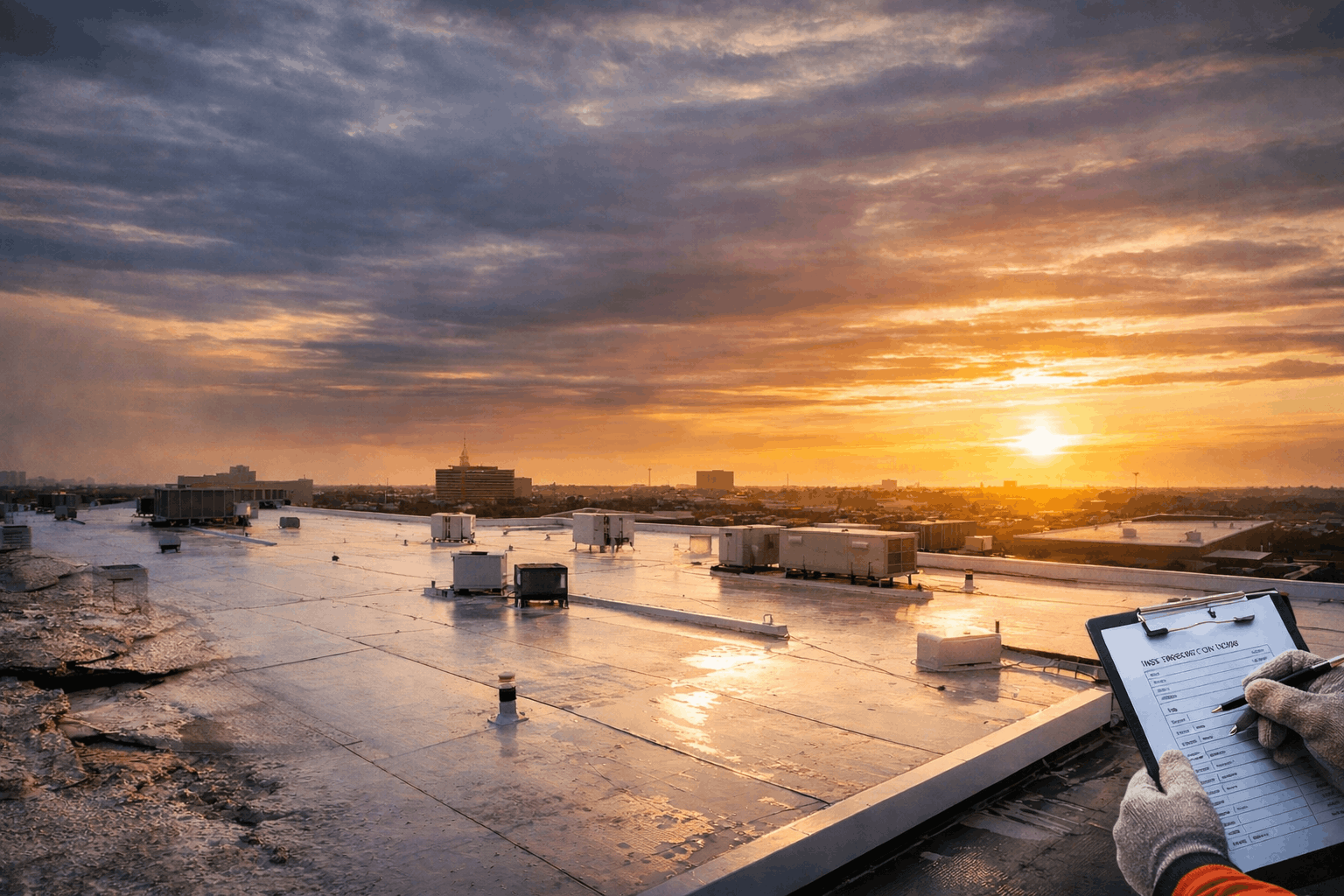
A professional inspection can help you understand your roof’s condition and your available options.
To schedule an appointment with Solid Rock Commercial Roofing, visit:
https://solidrockcorp.com/contact-us/
Or call (316) 227-2628 to speak with a member of the team.
Taking action now can help you avoid costly problems later.
Frequently Asked Questions (FAQs)
What is the most common mistake commercial building owners make with their roofs?
One of the most common mistakes is choosing the lowest bid without fully understanding what is included. This can lead to missing components, lower-quality materials, and higher costs later.
How do I know if a roofing bid is too low?
A bid may be too low if it lacks detail about materials, labor, or full system components. If one price is much lower than others, it is important to ask what has been left out or reduced.
How often should a commercial roof be inspected?
Most commercial roofs should be inspected at least twice a year, as well as after major storms. Regular inspections help catch small problems before they grow.
Can small roof leaks really cause major damage?
Yes. Even a small leak can allow water into insulation and other layers. Over time, this can lead to structural damage, mold, and higher repair costs.
What are the main types of commercial roofing systems?
Common systems include TPO, EPDM, metal, and roof coatings. Each has different strengths, and the best choice depends on the building and its use.
Is maintenance really necessary for a new roof?
Yes. A new roof still needs regular maintenance to perform well. Skipping maintenance can shorten its lifespan and may affect warranty coverage.
How can I tell if my roof has storm damage?
Storm damage is not always visible from the ground. The safest way to know is to schedule a professional inspection after severe weather.
What is the difference between roof repair and roof replacement?
Roof repair fixes specific problem areas, while roof replacement involves installing a new roofing system. The right option depends on the roof’s condition and age.
Can a roof coating extend the life of my roof?
In many cases, yes. Roof coatings can add protection and extend the life of an existing system when applied at the right time and under the right conditions.
Why is it important to work with the same roofing contractor long-term?
A consistent roofing partner understands your roof’s history and condition. This helps with better planning, more accurate repairs, and fewer long-term issues.
This article is a collaboration between Solid Rock Corporation and OpenAI’s ChatGPT. Created on April 21, 2026, it combines easy-to-read information with Solid Rock’s expert oversight to ensure accuracy and relevance.
External Links:
“Roofing System Selection: Key Considerations for Commercial Buildings”
This article from the National Institute of Building Sciences outlines how different roofing systems perform under varying conditions, helping owners better understand long-term tradeoffs discussed in this article.
URL:https://www.wbdg.org/guides-specifications/building-envelope-design-guide/roofing-systems
“The Importance of Regular Roof Maintenance for Commercial Buildings”
Published by FacilitiesNet, this piece explains how routine inspections and maintenance planning directly impact roof lifespan and cost control—reinforcing the risks of delayed repairs and neglect.
URL:https://www.facilitiesnet.com/roofing/article/The-Importance-of-Regular-Roof-Maintenance–19244
“Life-Cycle Cost Analysis for Commercial Roof Systems”
This resource from Whole Building Design Guide explores how upfront decisions affect long-term costs, aligning with the article’s focus on planning beyond initial price.
URL:https://www.wbdg.org/resources/life-cycle-cost-analysis-lcca