Understanding the Different Types of Commercial Roofing Materials
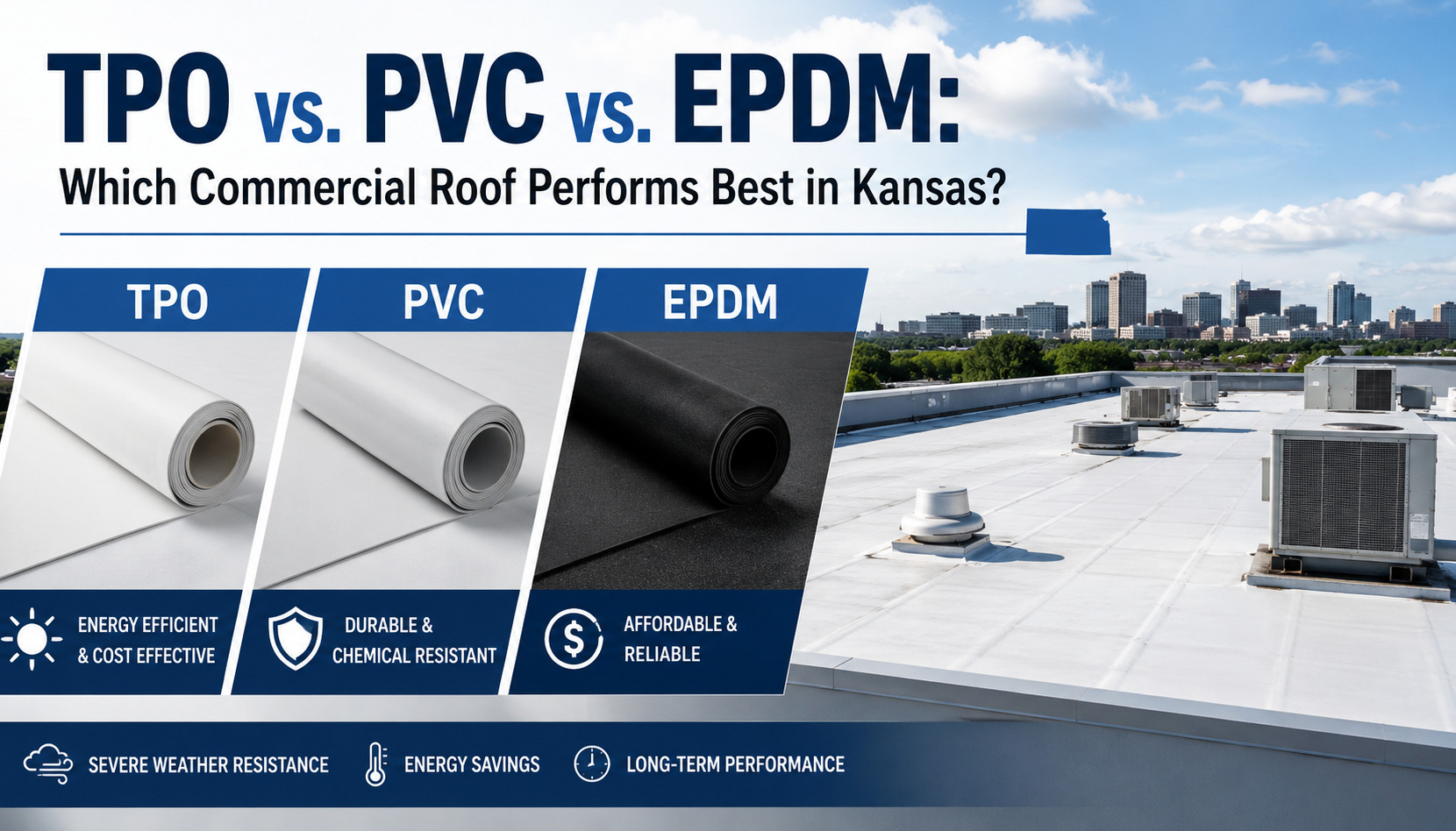
Choosing the right roofing material is crucial for the longevity and performance of a commercial roof. Common options include TPO, PVC, EPDM, and modified bitumen, each with unique properties and benefits. Understanding these materials helps building owners make informed decisions tailored to their specific needs and local climate.
For instance, TPO is known for its energy efficiency and cost-effectiveness, while EPDM offers excellent durability and weather resistance. It's essential to consider factors like insulation properties, installation costs, and maintenance requirements when selecting a roofing material that aligns with your building's purpose and budget.
Essential Maintenance Tips for Commercial Roofs
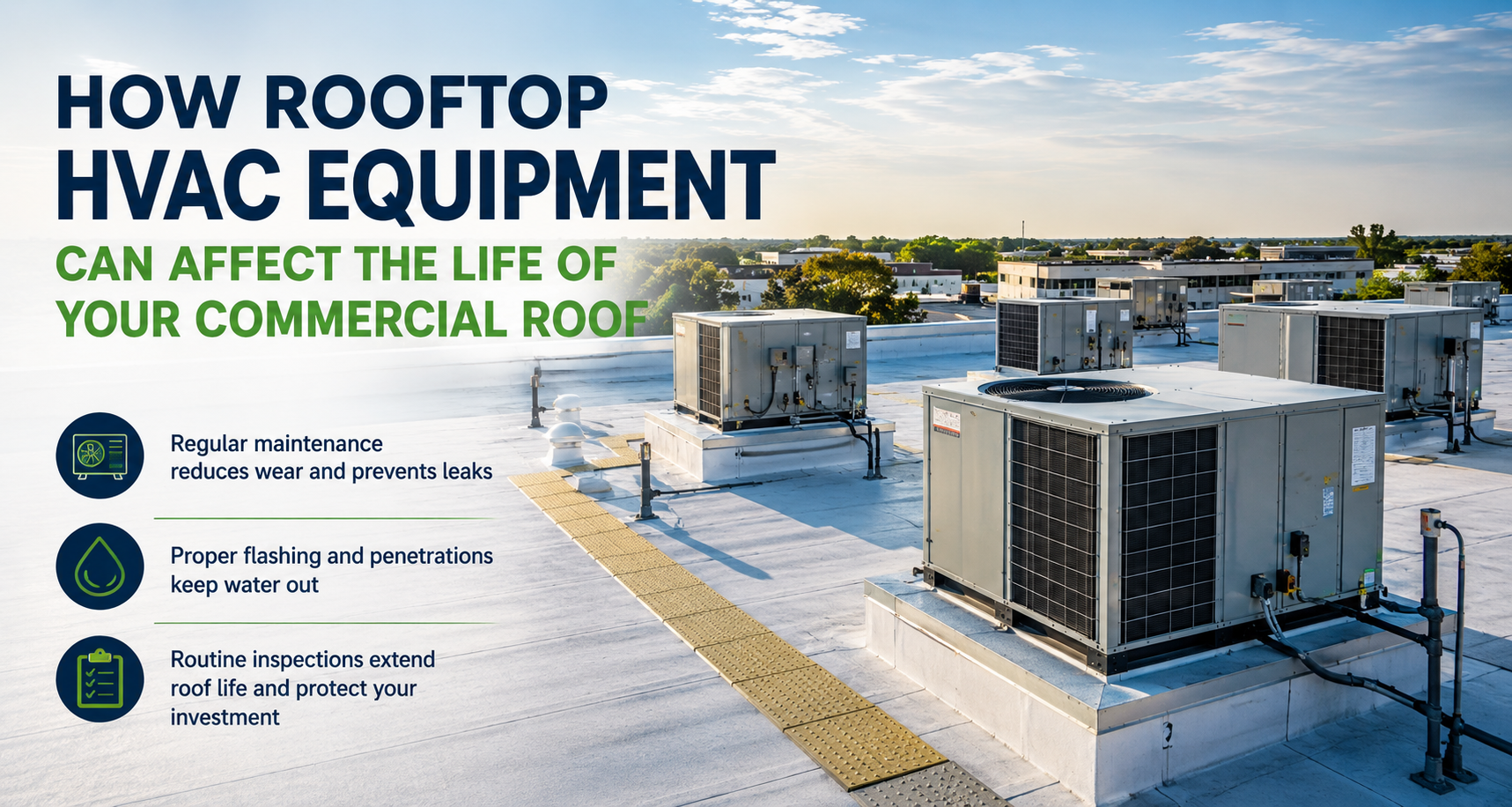
Regular maintenance is vital for extending the lifespan of a commercial roof and preventing costly repairs. Property owners should schedule routine inspections, clear debris, and check for signs of wear and tear. Implementing a proactive maintenance plan can help identify potential issues before they escalate into major problems.
Additionally, maintaining proper drainage and ensuring that gutters and downspouts are free of blockages can prevent water pooling, which is a common cause of roof damage. Engaging a professional roofing contractor for annual inspections can further enhance the roof's longevity and performance.
The Importance of Hiring Certified Commercial Roofing Contractors
Hiring certified commercial roofing contractors ensures that the work meets industry standards and adheres to local regulations. Certified contractors have undergone rigorous training and possess the knowledge to handle various roofing systems effectively. This expertise minimizes the risk of mistakes that can lead to costly repairs down the line.
Moreover, certified contractors typically offer warranties on their workmanship, providing peace of mind to building owners. It's essential to verify a contractor's credentials, including insurance and licenses, to ensure that you are making a safe and informed choice for your roofing project.
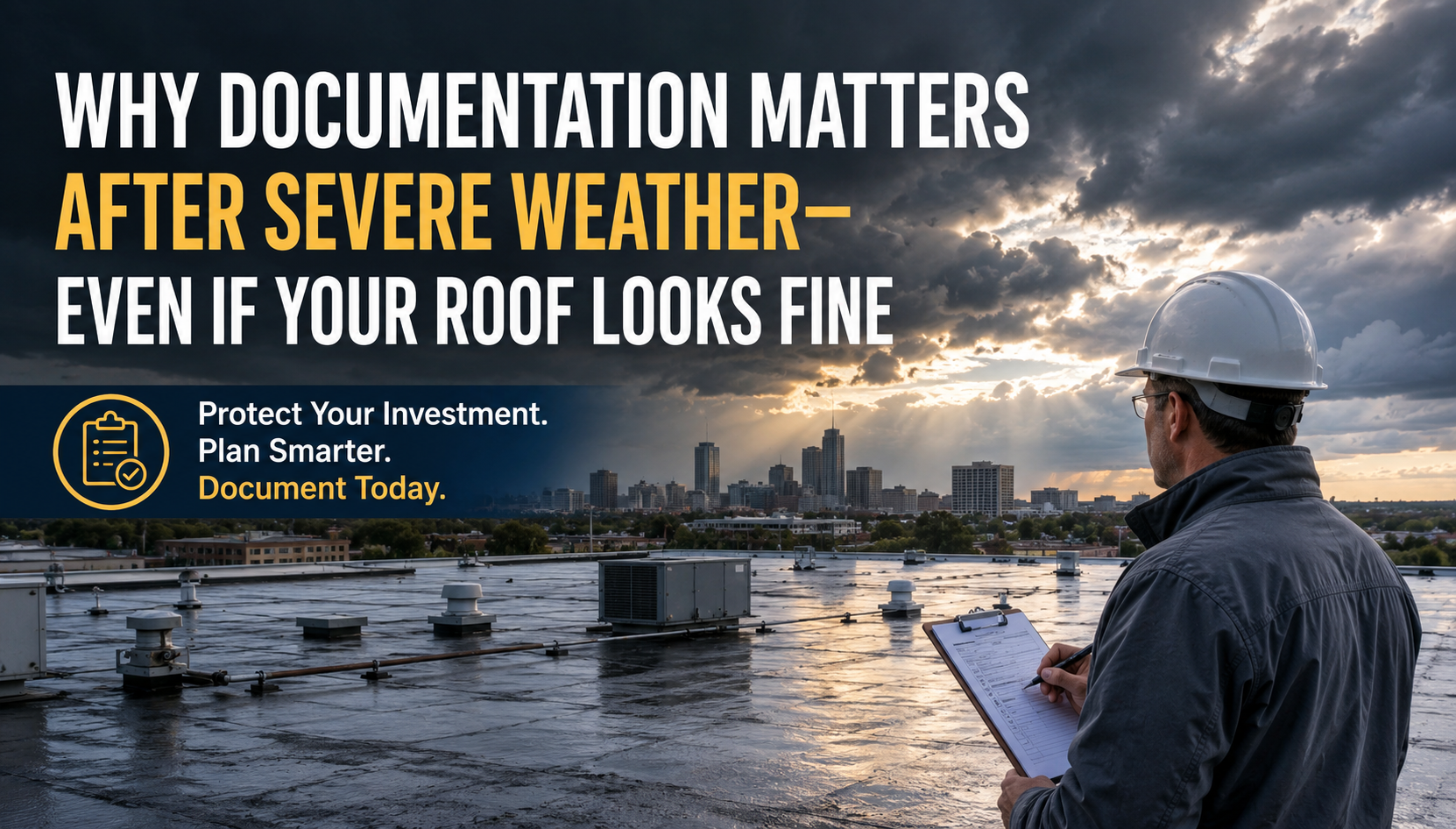
How Weather Impacts Commercial Roofing Choices
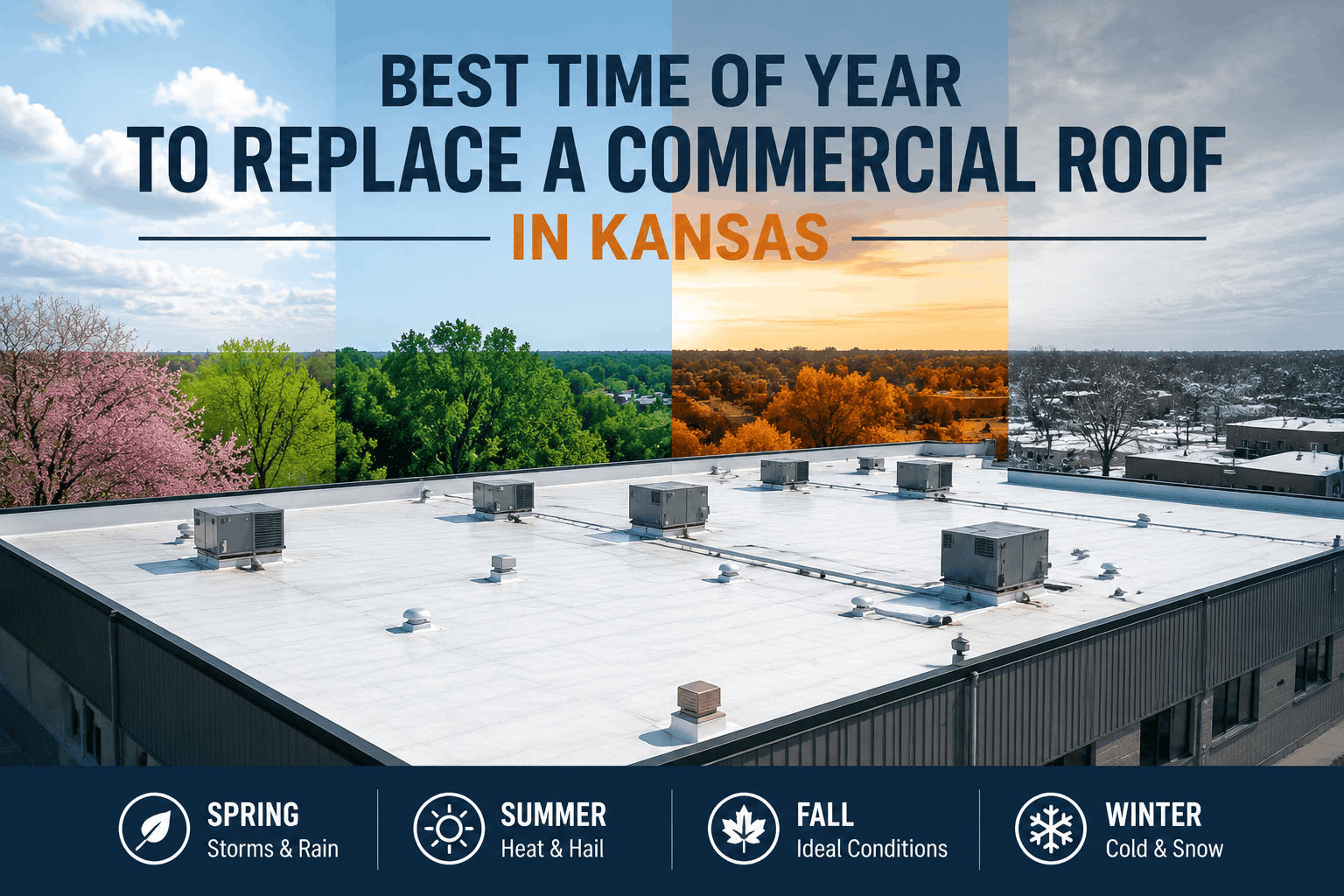
Weather conditions play a significant role in determining the best roofing system for a commercial building. Factors such as temperature fluctuations, humidity levels, and exposure to severe weather events can influence material selection and installation methods. Understanding local weather patterns is crucial for making informed decisions.
For example, in regions prone to heavy snowfall, a roofing system with a steep slope may be preferred to prevent snow accumulation. Conversely, areas with high temperatures may benefit from reflective roofing materials to reduce heat absorption. Consulting with roofing professionals familiar with local climate conditions can help ensure that the chosen roofing solution is both durable and efficient.